


NBA 2010/11


križevci je napisao/la:
Haha,koji buzzer beater Boguta  A i Feltonova pobjednička trica je isto I Gay zabil sa sirenom za produžetke,i Fisher ubacil sa sirenom...dramatike kolko oćeš
A i S.Brown 100% za tri,s tim da je jednu bacil i ubacil sa svoje polovice..Lik igra fantastičnu sezonu zasad,odličan postotak šuta..ak tak nastavi nema razloga da ne uđe u uži izbor za najboljeg 6.igrača..
prvo gledam svi favoriti prošli (kao i moj tiket) a onda kasnije sam tek skonto kolko sam imo sreće
 (felton,fisher,bullsi gubili do pred sam kraj)
...ništa ja nisam vidio,ja sammmmm pio vodu...


NBA
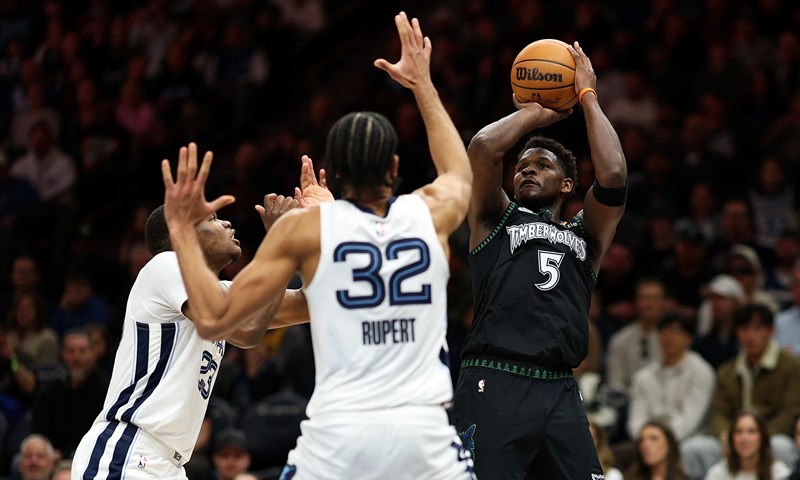
Prave 'igre gladi' u NBA franšizi: Klub se rješava igrača i guta milijune, a moraju otpisati još dvojicu
ABA liga
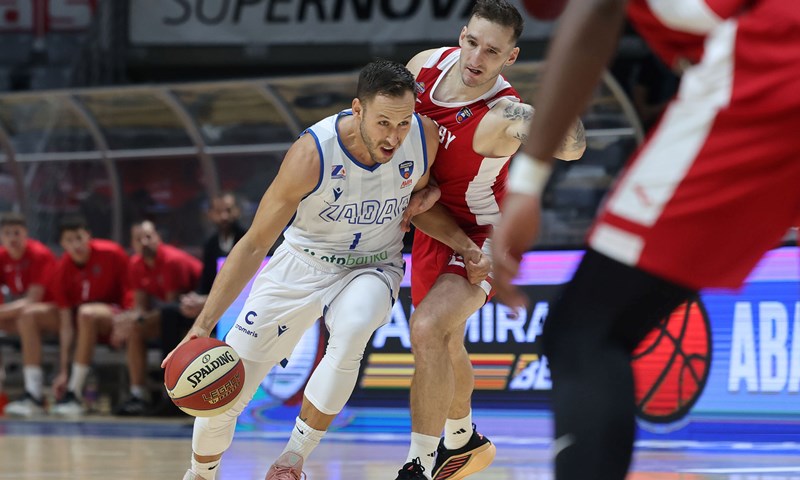
Zadar odradio dobar posao i u ABA ligu krenuo pobjedom
NBA
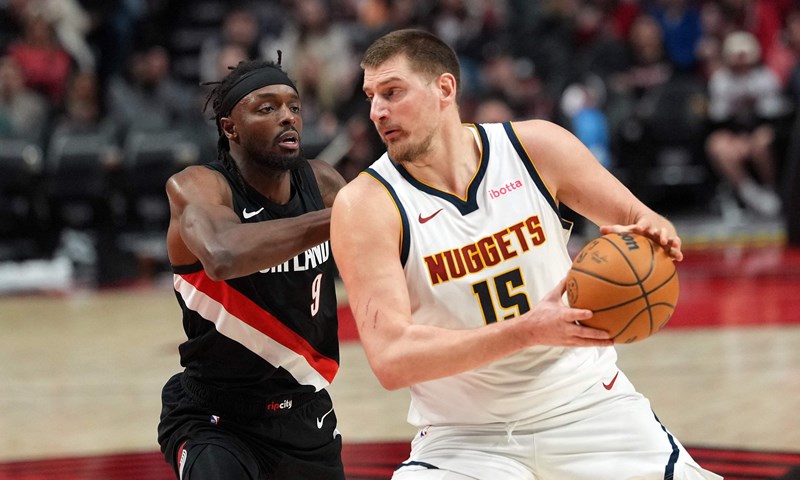
VIDEO Predsezona je tek počela, a Jokić već ima potez sezone: Čudesna asistencija zasjenila debi Giannisa
ABA liga
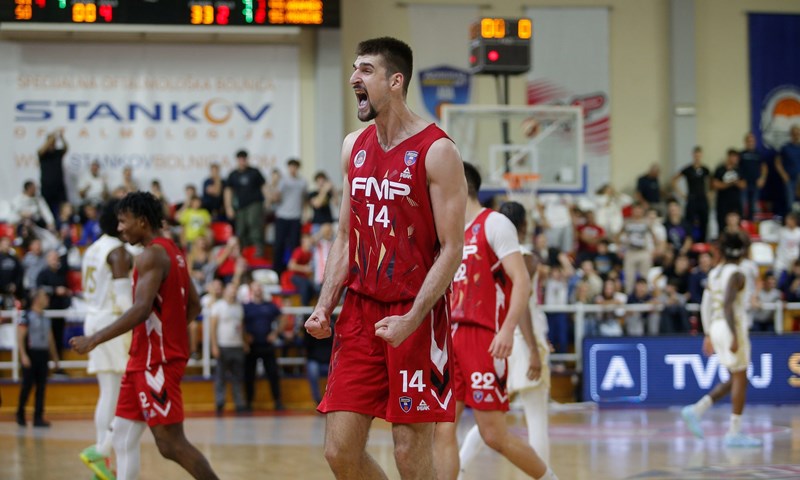
Prvorazredna senzacija u ABA ligi: FMP nakon 15 godina i 45 uzastopnih poraza srušio Crvenu zvezdu
Ipak bullsi!!!! Cetvrta u nizu, a sad slijedi nekoliko tekmi koje bi se trebale dobiti s ovakvom igrom (minesota, indiana, toronto, LAC,Philla, washington, detroit), tako da bi se mogli prikljuciti bostonu i Orlandu na vrhu istoka!
Rose 29+9, Boozer 12+11, Noah 9+9, Korver, Deng i Brewer odlicni u svojim zadacama! Steta za Gibsona da nemoze dobiti vise prilike, nadam se da dobro to sve podnosi
Cetvrta u nizu, a sad slijedi nekoliko tekmi koje bi se trebale dobiti s ovakvom igrom (minesota, indiana, toronto, LAC,Philla, washington, detroit), tako da bi se mogli prikljuciti bostonu i Orlandu na vrhu istoka!Rose 29+9, Boozer 12+11, Noah 9+9, Korver, Deng i Brewer odlicni u svojim zadacama! Steta za Gibsona da nemoze dobiti vise prilike, nadam se da dobro to sve podnosi
- Najnovije
- Najčitanije
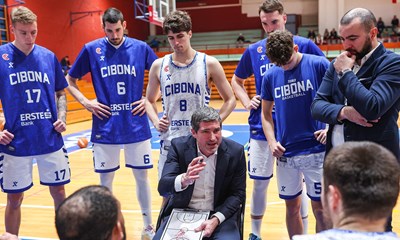
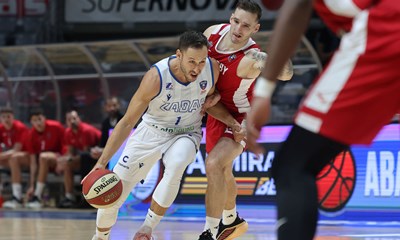
Zadar odradio dobar posao i u ABA ligu krenuo pobjedom
16 sati•ABA liga
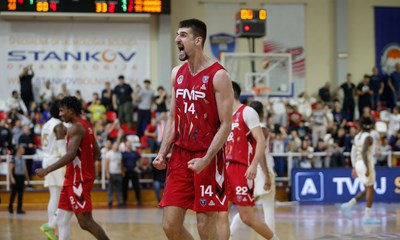
Prvorazredna senzacija u ABA ligi: FMP nakon 15 godina i 45 uzastopnih poraza srušio Crvenu zvezdu
1 dan•ABA liga
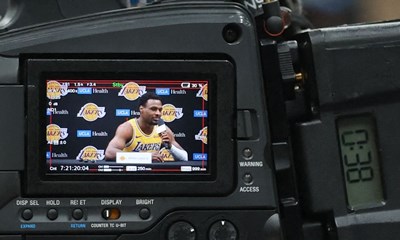
Bronny James treći po stažu u Lakersima: 'Ludo je, zar ne? Reaves me zove veteranom, valjda i jesam'
1 dan•NBA
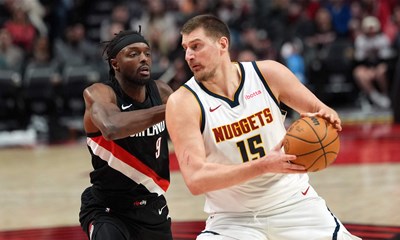
VIDEO Predsezona je tek počela, a Jokić već ima potez sezone: Čudesna asistencija zasjenila debi Giannisa
1 dan•NBA

Savršen ulazak u sezonu Breogana, Mavra briljirao u gostujućoj pobjedi
2 dana•Španjolska košarka
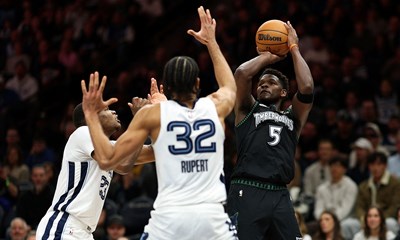
Prave 'igre gladi' u NBA franšizi: Klub se rješava igrača i guta milijune, a moraju otpisati još dvojicu
2 dana•NBA
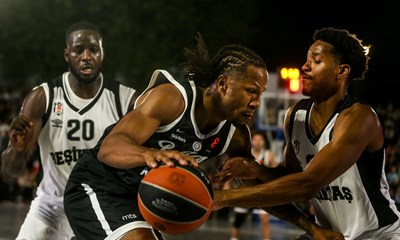
Jokić izjavom naljutio Amerikance, Arenas brutalno uzvratio: 'Naš otpad igra u Europi, tamo su najbolji'
2 dana•NBA
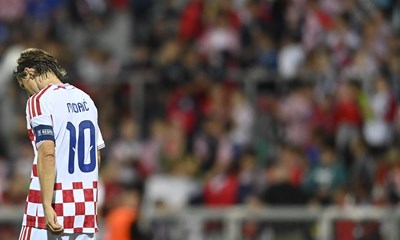
Bilić napravio nekoliko promjena za Španjolsku, četvorica ostala izvan kadra
4 sata•Nogomet
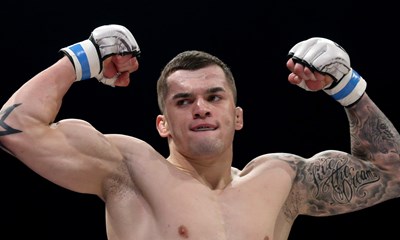
Soldićeva borba je druga u glavnom programu, evo gdje možete gledati prijenos
3 dana•MMA
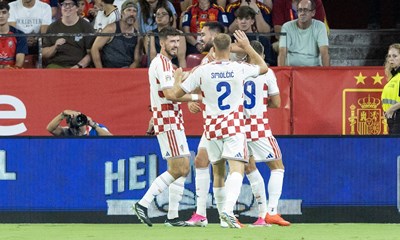
Novi problem za Hrvatsku uoči Španjolske: Vatreni zbog viroze napustio kamp
17 sati•Nogomet

Igrao uz Šimunića za Dinamo i predstavio svoj projekt Maksimira: 'Znam što znači smrznuti se na tribinama'
2 dana•Nogomet
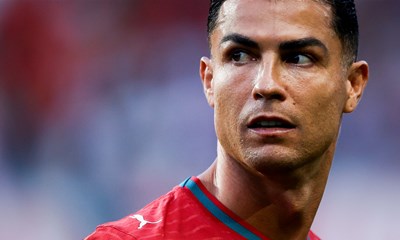
Ronaldo se navodno ne želi vratiti u reprezentaciju dok je Jesus izbornik
4 sata•Nogomet
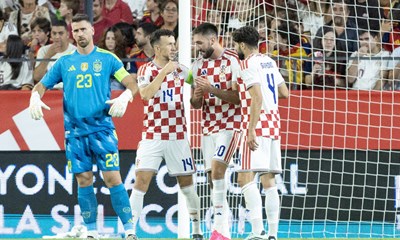
Gdje gledati dvoboj Hrvatske i Španjolske i koju bi Bilić postavu mogao poslati na travnjak?
4 sata•Nogomet
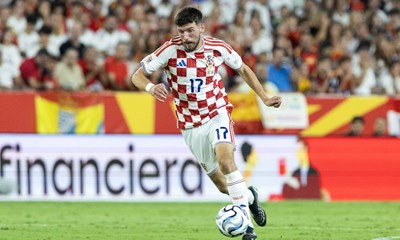
Zvonimir Boban poslao otvorenu poruku vodstvu Intera: 'Nema smisla da Sučić ostane ako se ovako nastavi'
1 dan•Nogomet
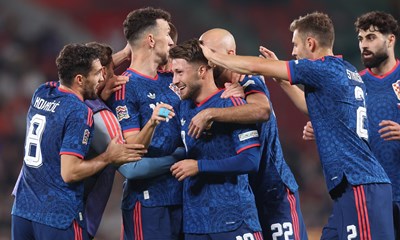
Hrvatska - Španjolska: Prilika za popravak dojma, ali i za vrlo važne bodove
3 sata•Nogomet