


Rezultati pretrage: tekst :D, poredak po datumu

VINKOVČANI BEZ TRENERA
Rupnik iz Cibalije u Belišće

Cibalia je od jučer bez trenera. Nakon što je obavio razgovor s v. d. predsjednika Cibalije Mijatom Kurtušićem, Davor Rupnik nam je potvrdio kako je bivši trener Cibalije.
- Obavio sam razgovor s predsjednikom Kurtušićem i dogovorili smo se da se, budući da sam ja bio trener Cibalije, sporazumno raskinemo ugovor. Žao mi je što do ovog sastanka nije došlo bar tjedan dana ranije jer sam bio spreman i sve sam pripremio da vratimo Cibaliju u Drugu ligu. Nažalost, ja više nisam mogao čekati, već sam se odlučio promijeniti sredinu. Cibaliji želim svako dobro i da se što prije vrati u Prvu ligu jer joj je tamo i mjesto - rekao je Rupnik, koji nije dugo bio bez posla.
Već je preuzeo momčad Belišća, gdje će imati zadaću u prvoj godini konsolidirati momčad, a onda pokušati ostvariti plasman u Drugu ligu.
- Takav je bio dogovor s ljudima iz Belišća. Prve godine konsolidirati momčad i bar se plasirati u sredinu tablice. Trenutno se u Belišću izvode radovi na infrastrukturi, pa ćemo već u drugoj sezoni pokušati ostvariti plasman u Drugu ligu. Dolazim također u sredinu koja ima nogometnu prošlost i klub koji nagodinu slavi sto godina postojanja - rekao je bivši trener Cibalije, a novi trener Belišća.
Postavlja se pitanje tko će sada biti trener Cibalije. Najzglednije je da će to biti netko od postojećih iz Škole nogometa. Odluku će predsjednik morati donijeti vrlo brzo.
A.Grgić/Z.Kaptalan


đole je napisao/la:
Jedan veliki BRAVO! ekipi koja je omogućila da opet zaigramo ovu veličanstvenu igru na Sportnetu. Veselim se HNL verziji! Čestitke pobjedniku, idući TV je ipak moj. :D
I ja se veselim povratku hnl menagera. Ne znam koliko je vas igralo to prije 7-8 godina kada je zadnji put bio hnl menager organiziran ovdje na sportnetu, meni je to tada bilo prvo učestvovanje u igricama takvog tipa i oduševilo me. Još imam sportnet majicu koju sam kao drugoplasirani u kolu osvojio i još je u odličnom stanju. Pohvala organizatorima kaj mi nisu uvalili neki kineski šrot
 Apeliram na Daria da ipak malo porade na promjeni pravila u odnosu na rusiju. Naročito ovo sa neograničenim transferima svako kolo kaj je besmisleno. U onoj prvoj hnl verziji je bilo moguće izvršiti tri transfera svako kolo, a inače je u ovakvim igricama praksa da se samo jedan po kolu dozvoljava pa eventualno ako ga ne iskoristiš, iduće kolo možeš dva. Trebalo bi svakako bodovati i izboreni penal kao i za onog koji ga je skrivio. To ipak nebi trebalo biti preteško za skužiti čak ni u hnl-u. Clean sheet se u svim ovim igricama koje sam igrao do sad boduje sa 4 boda, ovdje se bodovalo sa 3. I ne biti tako kruti oko asistencija pa da čim oibrambeni igrač dotakne loptu, da se ne priznaje asistencija. Ima još stvari koje se mogu popraviti i da igra bude poštenija i zanimljivija. I nadam se i nagradama za pobjednika kola, kao što je bilo čak i za drugo mjesto u toj zadnjoj verziji hnl menagera
[uredio hanson - 16. srpnja 2018. u 23:59]
With sword in hand I now stand on my enemies landWith a northern heart I will fight until the day I die!


Nogomet
SuperSport Druga NL u izravnom prijenosu na Sportnetovom YouTube kanalu, danas pratite sedam utakmica

Nogomet
Top 5 derbija vikenda: 'Armageddon' na Emiratesu, vulkan emocija u Hamburgu i liverpulski obračun susjeda!
Originalno
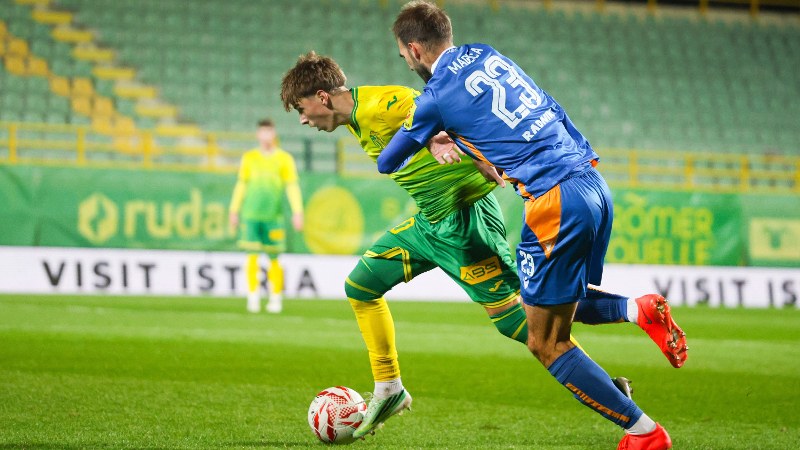
O Istrinim klincima treba pričati, Puljani su trenutno najbolji poligon za mlade igrače u Hrvatskoj
Nogomet
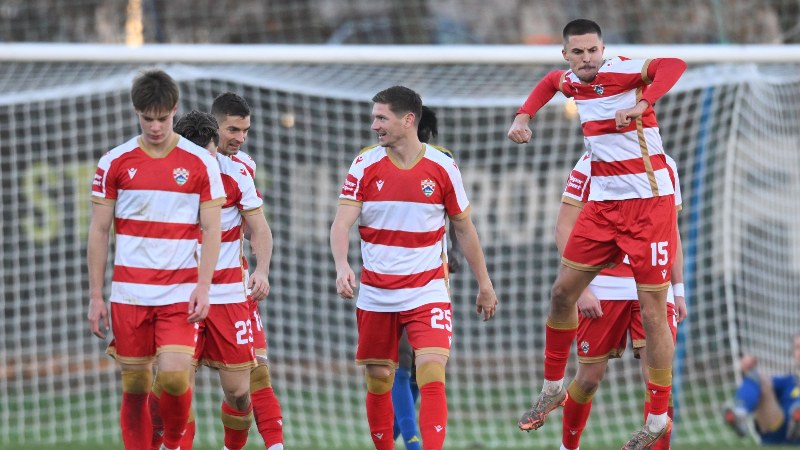
[UŽIVO] Segesta - Dubrava 1:3 | Nevjerojatni pokloni Segestine obrane, Dubrava na plus dva!


- Najnovije
- Najčitanije
Bezzecchi srušio rekord staze i uzeo pole position na posljednjoj utrci sezone
13 min•Automoto

Od brazilske lekcije do europskog hita: Ovo je bila najveća taktička greška Kovača u reprezentaciji
28 min•Originalno
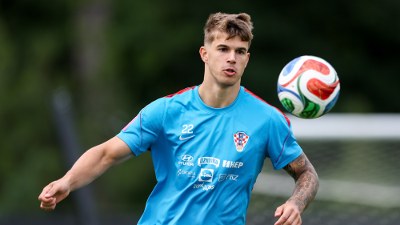
Vušković među pet najbolje rangiranih mladih nogometaša: Društvo mu prave Yamal i Cubarsí
42 min•Nogomet

SuperSport Druga NL u izravnom prijenosu na Sportnetovom YouTube kanalu, danas pratite sedam utakmica
2 sata•Nogomet
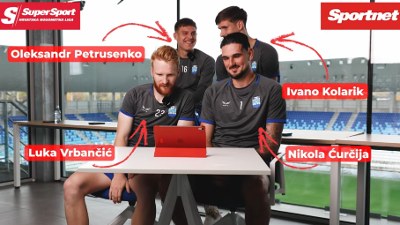
'Dva kila krumpira': Igrači Osijeka u novoj epizodi serijala Luka u gostima procjenjivali suigrače, pogađali tetovaže i zastave
1 sat•Nogomet
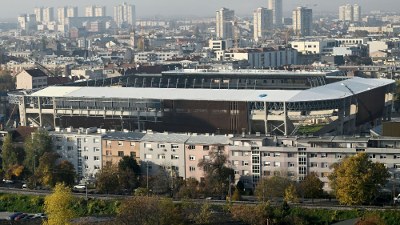
Dinamo ipak neće tako brzo na Kranjčevićevu: Glavni projektant otkrio kada bi stadion mogao biti spreman
1 sat•Nogomet
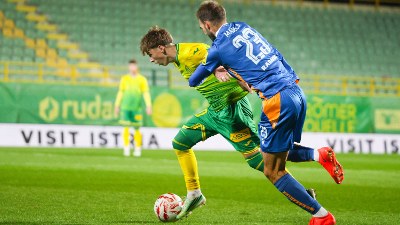
O Istrinim klincima treba pričati, Puljani su trenutno najbolji poligon za mlade igrače u Hrvatskoj
1 sat•Originalno
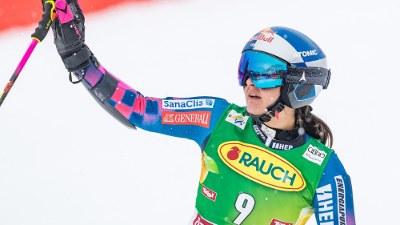
Ljutić danas ponovno na stazi, evo gdje možete gledati veleslalom u Killingtonu
2 sata•Zimski sportovi
SuperSport Druga NL u izravnom prijenosu na Sportnetovom YouTube kanalu, danas pratite sedam utakmica
2 sata•Nogomet

Uefa ponovno kaznila HNS, razlog je utakmica Hrvatske i Češke
20 sati•Nogomet
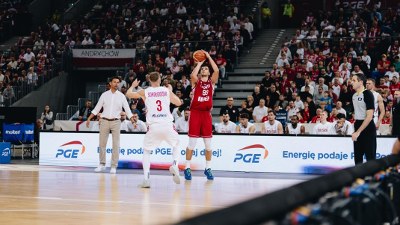
Nakon 12 godina čekanja, hrvatski košarkaši izborili su nastup na Svjetskom prvenstvu!
14 sati•Košarka

[KRONOLOGIJA] Hajduk - Futsal Dinamo 3:3 | Zanimljiva utakmica na Gripama bez pobjednika
17 sati•Nogomet

[KRONOLOGIJA] Istra 1961 - Varaždin 2:1 | Gosti smanjili s igračem manje, Istra ipak izdržala
19 sati•Nogomet
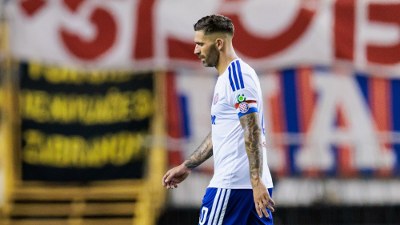
Bivši kapetan Hajduka o Livajinom statusu kod Garcije: 'To je kao da imaš Messija i da kao trener misliš da on ne može igrati'
16 sati•Nogomet
[UŽIVO] Segesta - Dubrava 1:3 | Nevjerojatni pokloni Segestine obrane, Dubrava na plus dva!
1 sat•Nogomet