


NBA 2007-8

 .
.
Ja mislim da se neće snaći u rocketsima zato što nije građen za nba.Nema dovoljno kila , a jedino što ima je pamet a tako se baš i ne igra u nba.Tamo sve ovisi o fizičkim predispozicijama.Uostalom Scola je spor i vjerujem da ni nema baš kondicije.U nba se igra puno brža košarka u odnosu na europsku a on još nije spreman za takve stvari.Također mislim da u rocketsima neće briljirati zbog minga i tracya.Imat će lošu statistiku uz njih dvoje.


SuperSport Premijer liga
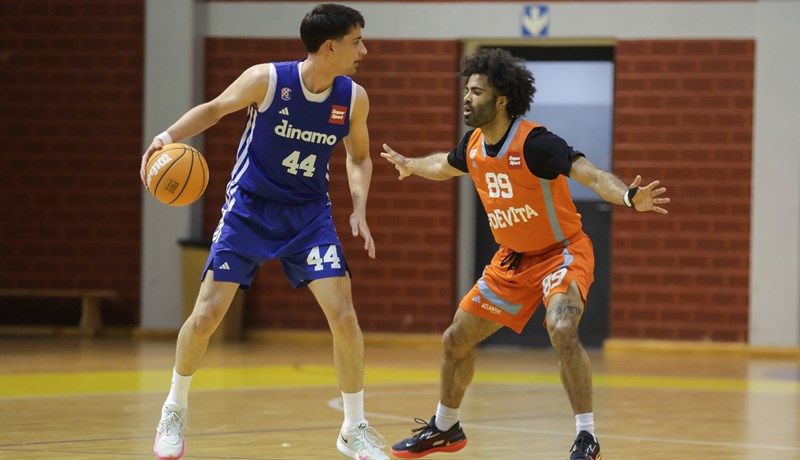
SuperSport Premijer liga: Zadar u 24 sata do druge pobjede, Šibenka i Cedevita Junior na istom razmaku
Košarkaški svijet
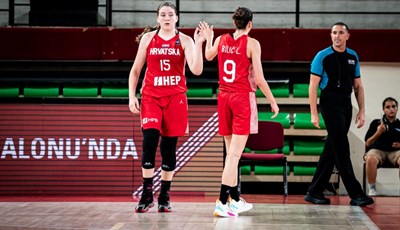
Lena Bilić u finalu NCAA prvenstva nakon uspješne sezone s UCLA-om
Košarka
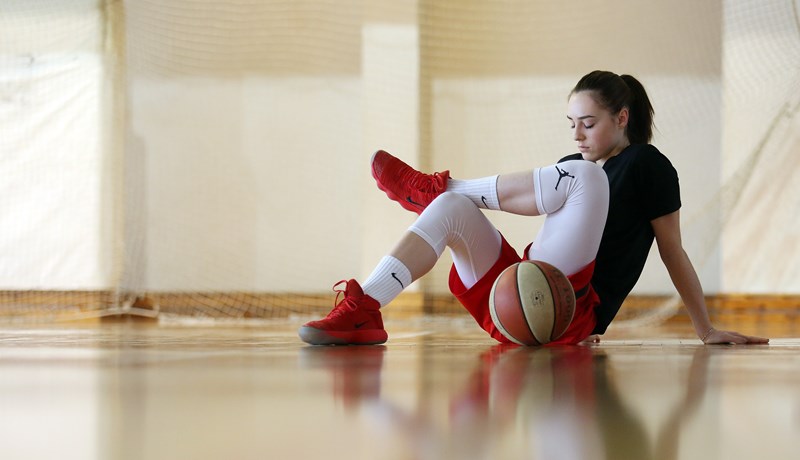
Nika Mühl ponovno ozljedila koljeno nedugo nakon oporavka od stare ozljede
Sportnetissimo
March Madness: Kako je u 'ludnici' finala u New Orleansu svijet upoznao najvećeg košarkaša u povijesti

- Najnovije
- Najčitanije
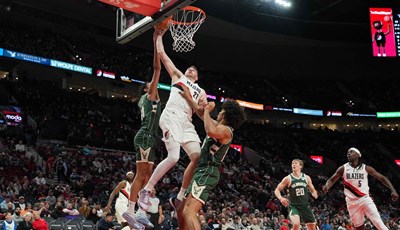
Priča o Jail Blazersima - skupini neukrotivih likova kakva se više nikada neće okupiti
21 sat•Originalno
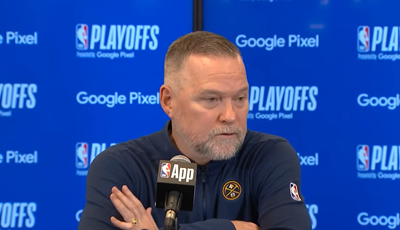
Bivši Jokićev trener preuzima klupu posrnulog sveučilišta za kojeg su igrali Jordan, Carter i Worthy
1 dan•Košarkaški svijet
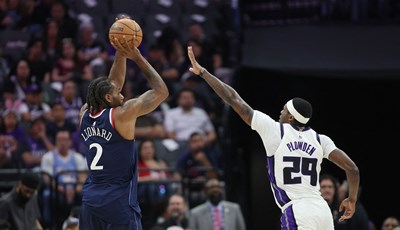
Lakersi bez Dončića izgubili od Dallasa, Flagg ponovno briljirao s 45 poena
1 dan•NBA
Lena Bilić ispisala povijest i osvojila NCAA naslov
1 dan•Košarkaški svijet

Roko Prkačin seli u NCAA, nosit će dres sveučilišta Penn State
1 dan•Košarkaški svijet
March Madness: Kako je u 'ludnici' finala u New Orleansu svijet upoznao najvećeg košarkaša u povijesti
2 dana•Sportnetissimo
Nika Mühl ponovno ozljedila koljeno nedugo nakon oporavka od stare ozljede
3 dana•Košarka
KRONOLOGIJA: Istra 1961 - Hajduk 1:3 (SHNL)
14 sati•Nogomet
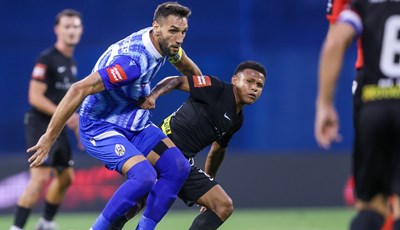
KRONOLOGIJA: Vukovar 1991 - Lokomotiva 1:1 (SHNL)
16 sati•Nogomet
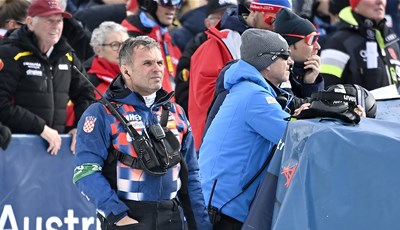
Gdje je nestao novac, afera koja već danima trese Hrvatski skijaški savez
3 dana•Originalno
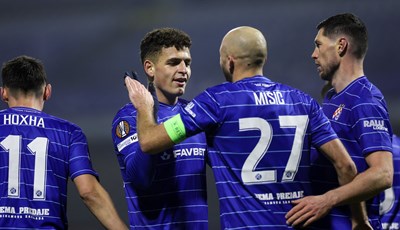
KRONOLOGIJA: Dinamo - Osijek 7:0 (SHNL)
3 dana•Nogomet
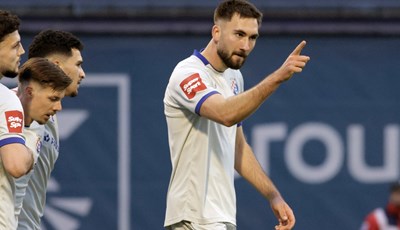
Beljo među najistaknutijim europskim strijelcima u lovu na Zlatnu kopačku
10 sati•Nogomet
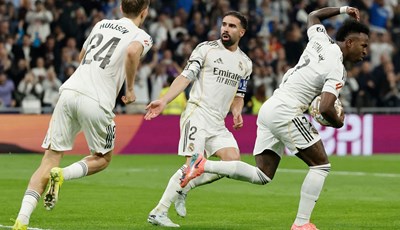
Od 'krvničkog' gaženja Juanita, preko Ancelottijeve 'lekcije', do bajke Joselu: 28 epizoda klasika Real – Bayern!
23 sata•Originalno
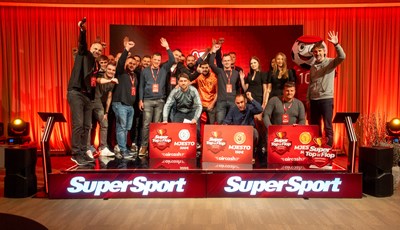
Izdvajamo 10 pitanja iz nacionalnog sportskog pub kviza - koliko znate odgovora?
2 dana•Ostali sportovi
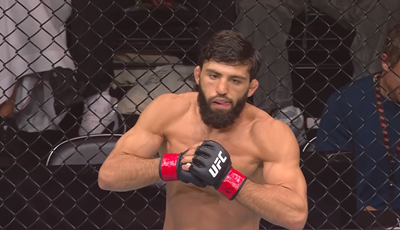
Tsarukyan tvrdi da bi mogao pobijediti Nurmagomedova: 'Svestraniji sam borac'
1 dan•MMA