
NBA 2011/2012

Top 10 small forwards in NBA history
At 22, Kevin Durant (left) has won two scoring titles. At 26, LeBron James (right) has won two MVPs. Both have plenty of time to build on those accomplishments, but where will they end up on this list, currently dominated by Boston Celtics?
Honorable mentions: Adrian Dantley, Alex English, Bobby Jones, Bernard King, Chris Mullin.

10. Paul Pierce (1998-present)
Only Larry Bird and John Havlicek — spoiler alert: Look for those two later — have scored more points as Boston Celtics than Pierce, a nine-time All-Star who has averaged more than 22 points per game in his career. Unlike those Boston greats, Pierce seemed destined to be remembered as a great player on mediocre teams. Then Kevin Garnett and Ray Allen showed up, and Pierce proved he could be a great player on a great team, earning Finals MVP as Boston won the 2008 title.

9. Dominique Wilkins (1982-99)
He'll always be known as one of the greatest dunkers in NBA history, and for good reason. After all, how many people can say they beat Michael Jordan in a dunk contest, as 'Nique did in 1985? (MJ got him back three years later.) But "The Human Highlight Film" could score in a variety of ways. A poor 3-point shooter, he slashed to the basket and shot over 81 percent from the line, which helped him average more than 25 points for 10 straight seasons. Though he never came close to a championship, thanks mainly to the Celtics, he was the only reason to watch the Hawks for more than a decade.

8. Rick Barry (1965-80)
If kids today know Rick Barry at all, they probably think of him as the guy who shot dorky underhanded free throws. What they may not know is he made 90 percent of those foul shots, a career mark surpassed only by Mark Price and Steve Nash. They probably have no idea he was an explosive scorer who averaged 35.6 points in his second NBA season and, after a stint in the ABA, led the Warriors to the NBA title in 1975. A slick passer and ball handler, Barry was a mighty offensive force. The kids snickering at his form would do well to emulate him.

7. James Worthy (1982-94)
His career averages of 17.6 points and 5.1 rebounds are nothing special, nor is his status as the third-best player on the Lakers teams of the 1980s. What makes Worthy an all-time great was his elevated play when the stakes were highest. "Big Game James" averaged 21.1 points in playoff games, including 21.5, 23.7 and 22.0 in LA's three title runs (1985, '87 and '88). In Game 7 of the 1988 NBA Finals, he had 36 points, 16 rebounds and 10 assists — one of the best big-game performances in league history.

6. Scottie Pippen (1987-2008)
Because all his greatest successes came with Michael Jordan, there is a tendency to either overrate or underrate Pippen. Everyone can agree he was a remarkably versatile player, an outstanding defender and a key member of six championship teams. But was he a superstar in his own right? He did finish third in MVP voting the season Jordan played baseball, but his skills and temperament seemed more suited for a Robin than a Batman. Still, if it's fair to say that Jordan brought out the best in Pippen, the reverse is also true.

5. LeBron James (2003-present)
It's fashionable and fun to bash LeBron these days for his perceived flaws as a player and person. Fair enough. Until he wins a title — and maybe even after — he'll deserve some scorn. But few players have left such a large footprint on the NBA at such a young age. He's won a scoring title, two MVP awards and averaged 27.7 points, 7.1 rebounds and 7.0 assists — all before his 27th birthday. Even the hate he evokes from so many fans is a testament to his impact. If he wasn't this good, no one would care.

4. Elgin Baylor (1958-71)
For now, LeBron James' career is similar to that of Baylor, who put up incredible numbers (career averages of 27.4 points, 13.5 rebounds, 4.6 assists) but never won a title, thanks mostly to the Boston Celtics dynasty. While the 6-foot-5 Baylor wasn't as physically dominant as LeBron, he had an unstoppable running bank shot that helped him average more than 34 points for three straight seasons and make 10 All-NBA first teams. A knee injury hampered Baylor in the second half of his career. If LeBron stays healthy, he'll probably pass Baylor on this list, but how about the top three?

3. John Havlicek (1962-78)
If Bill Russell was the anchor of the Celtics dynasty and Bob Cousy was the motor, then Havlicek was "the guts of the team," as Boston coach Red Auerbach called him. Tenacious and tireless on both ends of the court, "Hondo" made 11 All-NBA first or second teams and averaged 20.8 points, 6.3 rebounds and 4.8 assists for his career. An eight-time champion, he's still best known for his play that sealed the Eastern Conference title in 1965: "Havlicek stole the ball!"

2. Julius Erving (1971-87)
Dr. J gets a slight nod over Baylor and Havlicek because of the way he revolutionized the game. With his spectacular athleticism and creativity, he ushered in the modern era of basketball. A three-time ABA MVP, he also made a huge impact on the NBA after the leagues merged, winning an MVP in 1981 and a title in 1983. Just as importantly, he served as an ambassador for the sport with class and dignity, an area where modern superstars often fall short.

1. Larry Bird (1979-92)
He might be the worst athlete on this list, but the Hick from French Lick is arguably the best shooter, most ruthless competitor and smartest basketball player ever to man the position — or any position. It's well documented how Bird and Magic Johnson rejuvenated the NBA with their rivalry in the 1980s, with Bird claiming three titles and three straight MVP awards. His trash talking is also legendary, but unlike many of today's yappers, Bird almost always backed it up.
"Smoke me a kipper, I'll be back for breakfast!" 🎸⚽🏀🎨


Evo par ludosti od NBA igrača
Darko the King - http://www.basknet.info/2011/09/28/darko-milicic-fishing-is-my-life/
Earl Clark http://www.basknet.info/2011/09/28/earl-clarks-bizzar-reason-to-leave-china/
Darko the King - http://www.basknet.info/2011/09/28/darko-milicic-fishing-is-my-life/
Earl Clark
http://www.basknet.info/2011/09/28/earl-clarks-bizzar-reason-to-leave-china/http://www.youtube.com/watch?v=bLDHrmsew3c
NBA Greatest Duels: Magic Johnson vs Charles Barkley (1988)
http://www.youtube.com/watch?v=fox7JPf9vMQ
NBA Greatest Duos:Hakeem Olajuwon & Clyde Drexler vs Utah (1995 WCR1 Game 4)
Bolestan potez Hakeema, na početku se igra beka i spusti se u post
http://www.youtube.com/watch?v=fox7JPf9vMQ&t=2m47s
NBA Greatest Duels: Magic Johnson vs Charles Barkley (1988)
http://www.youtube.com/watch?v=fox7JPf9vMQ
NBA Greatest Duos:Hakeem Olajuwon & Clyde Drexler vs Utah (1995 WCR1 Game 4)
Bolestan potez Hakeema, na početku se igra beka i spusti se u post
http://www.youtube.com/watch?v=fox7JPf9vMQ&t=2m47s
"Smoke me a kipper, I'll be back for breakfast!" 🎸⚽🏀🎨
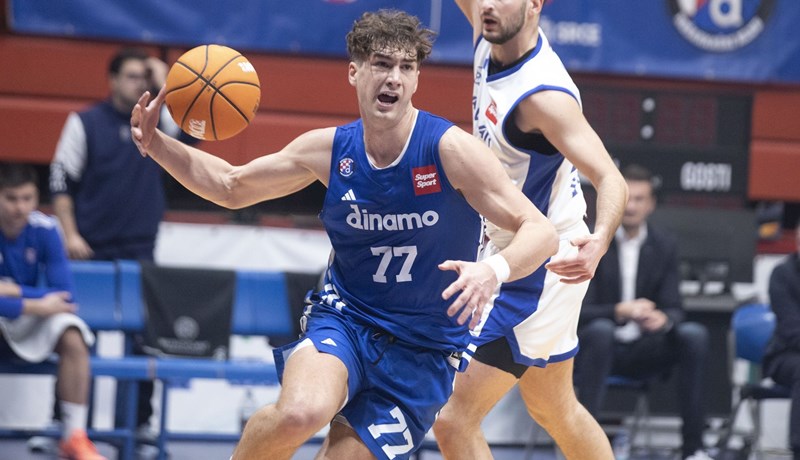
SuperSport Premijer liga
Alkar u gostima iznenadio Dinamo i odmaknuo mu na ljestvici
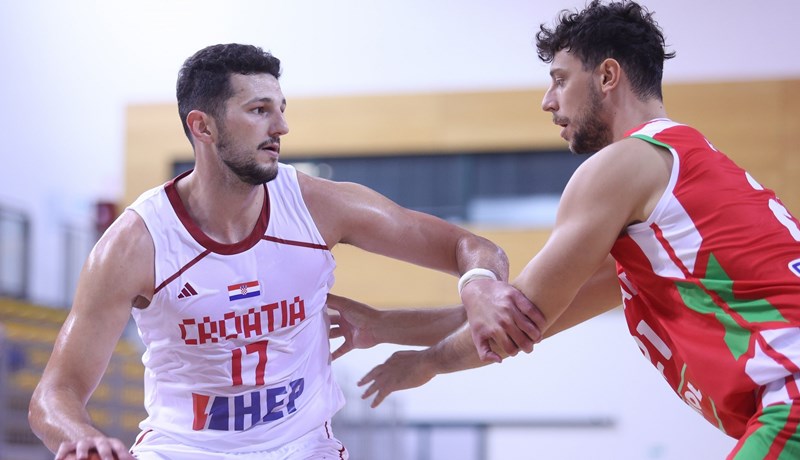
NBA
Matkoviću dobra minutaža u porazu Pelicansa, Nuggetsi nemoćni bez Jokića, šesti poraz Thundera
NBA
Sjajni Brown prekinuo odličan niz Zupčevih Clippersa, Blazersi iznenadili, Warriorsi bolji od Jazza
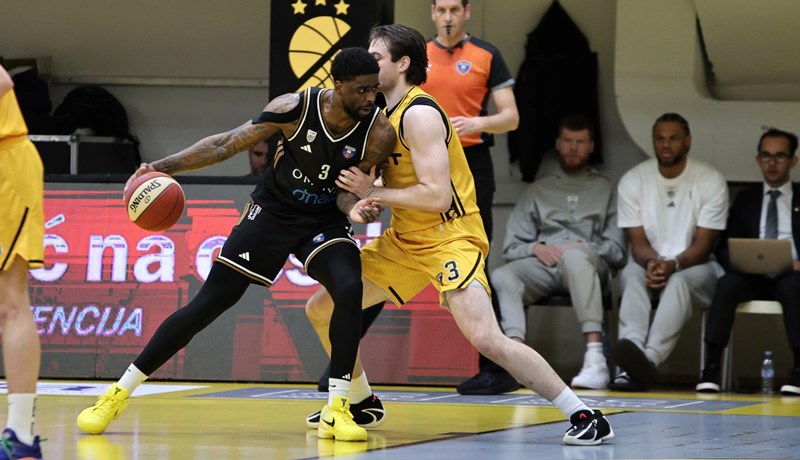
ABA liga
Dubai ostaje neporažen, Split bez prevelike šanse na Gripama
- Najnovije
- Najčitanije
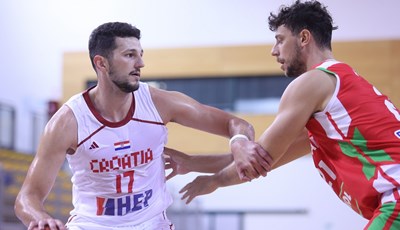
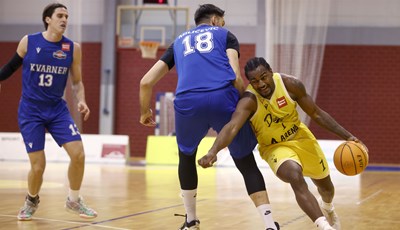
Dubrava u završnici preokrenula i slavila protiv Kvarnera
14 sati•SuperSport Premijer liga
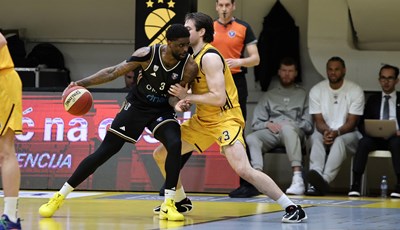
Dubai ostaje neporažen, Split bez prevelike šanse na Gripama
16 sati•ABA liga
Mršićev Sassari do nove pobjede, Bresciji nije pomogao ni briljantni Bilan
16 sati•Talijanska košarka
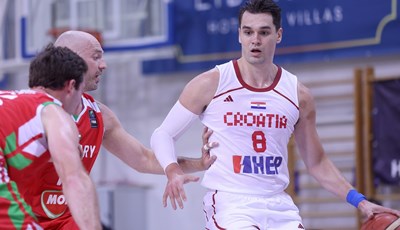
Barcelona slavila u Madridu u El Clasicu unatoč sjajnom nastupu Marija Hezonje
19 sati•Španjolska košarka
Nova ozljeda u NBA-u, Rocketsi će neko vrijeme biti bez (po)najboljeg igrača
23 sata•NBA
Sjajni Brown prekinuo odličan niz Zupčevih Clippersa, Blazersi iznenadili, Warriorsi bolji od Jazza
1 dan•NBA
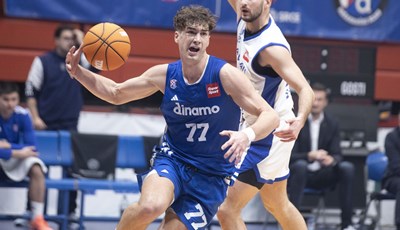
Alkar u gostima iznenadio Dinamo i odmaknuo mu na ljestvici
1 dan•SuperSport Premijer liga
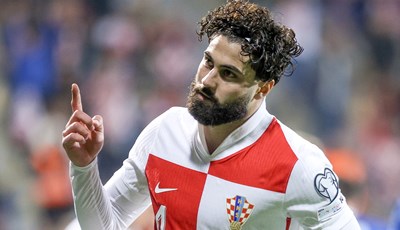
Ozljeda Joška Gvardiola, Chelsea u završnici do boda na Etihadu
15 sati•Nogomet
Pep o Gvardiolovoj ozljedi: 'Saznat ćemo sve u ponedjeljak, ali ne izgleda dobro'
4 sata•Nogomet
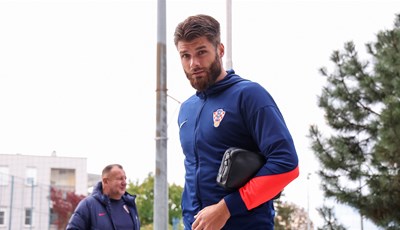
Hrvatski dvojac s novim trenerom dočekuje Atletico Madrid u svojoj prvoj utakmici u 2026. godini
23 sata•Nogomet
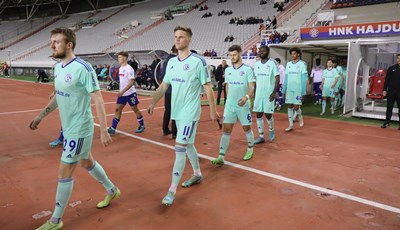
'Rudari' s milijunskom navijačkom vojskom, dižu se kao feniks iz ponora bankrota i Druge lige
23 sata•Nogomet
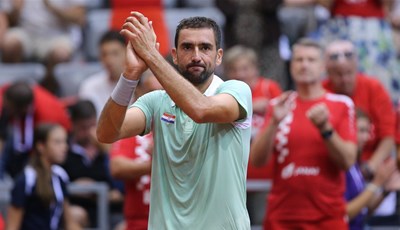
Marin Čilić pobjedom otvorio novu godinu, rutinski je svladao nekadašnjeg 17. tenisača svijeta
49 min•Tenis
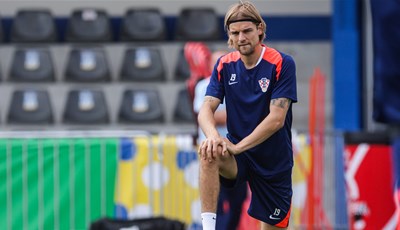
Njemački insajder tvrdi: Borna Sosa je na meti zadnje momčadi Bundeslige
26 min•Nogomet
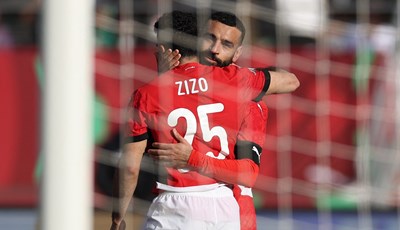
Egipat je rutinski prošao u osminu finala, ali sada nema pravo na grešku
2 sata•Nogomet
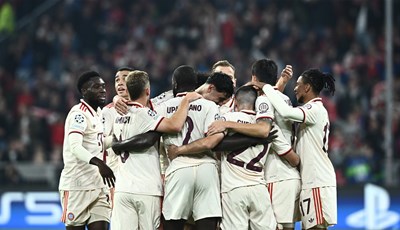
Zvijezda Bayerna: 'Igram u velikom klubu, ali želja mi je zaigrati za Real, to je klub iz snova'
2 sata•Nogomet