
Barclays Premier League 2010/11


Papa Bear je napisao/la:
Mislim da Jozo neće nikud iz Reala dok ne uhvati naslov prvaka, mislim da mu je cilj uhvatiti naslov u svim najjačim ligama, ima Premiership i Serie A, fali mu Primera, a možda se uhvati i Bayerna/Bundeslige.

...i onda nakon bayerna put rusije koja će za par godina izgurati francuze iz odabranog društva liga petice. taman da skupi još koji milijun pred penziju


Marko Marušić je napisao/la:
aha, dakle treba citat misli  mislim, ne znam sto ocekujes da se izvuce iz recenice "anelki je mjesto pored henrya" i onda krenes opisivat karijeru doticnoga? normalno da ce ti netko odgovorit...
znači ne mislim da mu je mjesto pored Henrya (što se karijera tiče) nego pored njega u klub gdje igra.a znam i da se pred kraj ovog prijelaznog roka netko od amera zanimao za njega i skoro je tamo otišao
nisam lud valjda usporediti anelku i henrya.pa henry ga i dan danas pojede kad se sjeti
...ništa ja nisam vidio,ja sammmmm pio vodu...
SuperSport HNL
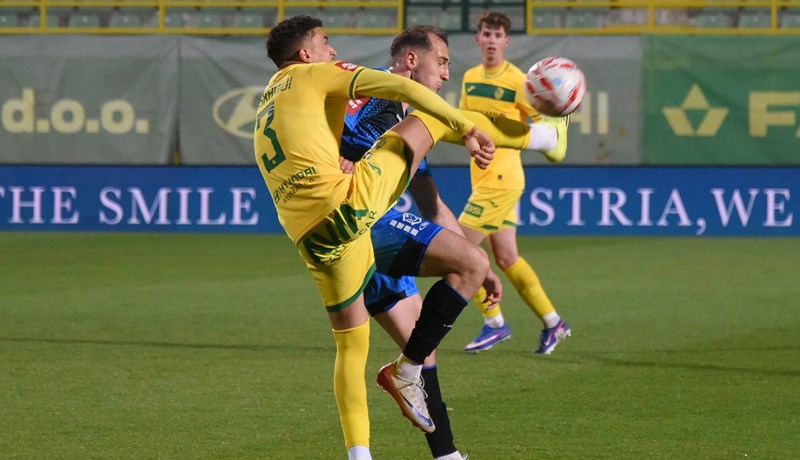
Igrač utakmice: Tunižanin odradio jednu od svojih boljih utakmica u dresu Istre
SuperSport HNL
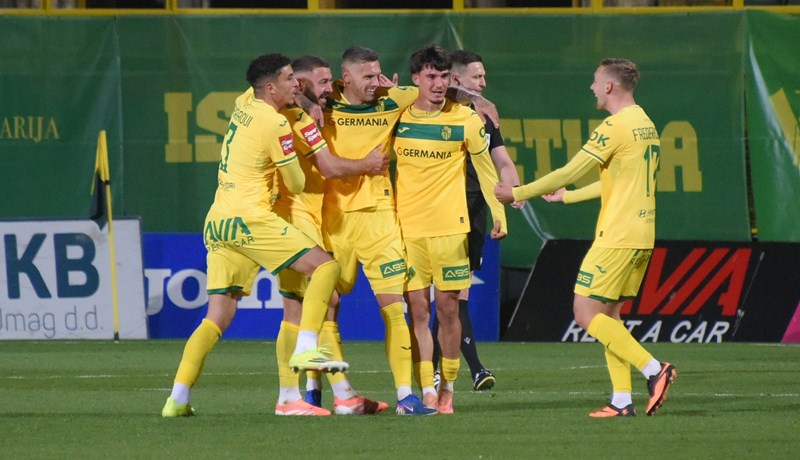
Ahmeti: 'Vidjeli smo da nešto ne štima i da se svi moramo podići kao ekipa'
SuperSport HNL
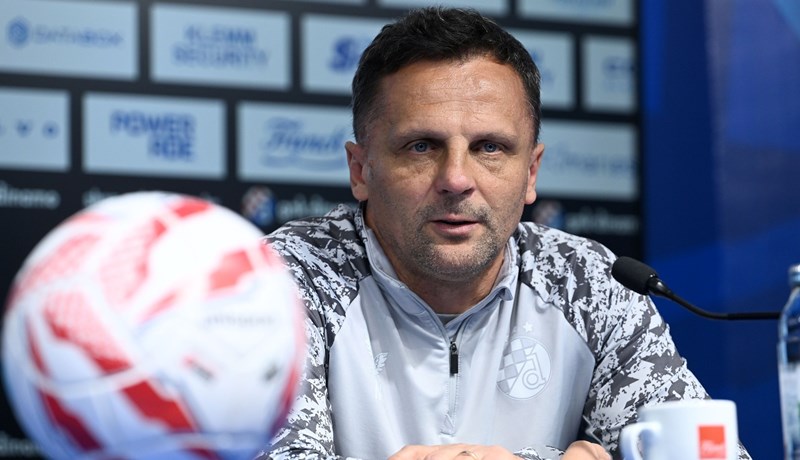
Kovačević: 'Nogomet se igra 90 minuta, nekad uspijete slomiti suparnika na početku, nekad u drugom dijelu'
SuperSport HNL
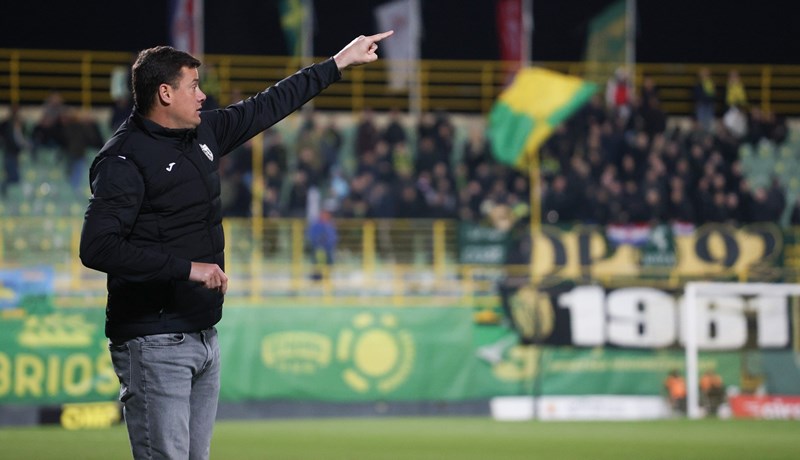
Riera: 'Drugi pogodak došao je uz puno sreće, ali na kraju moramo biti zadovoljni'

Nozh je napisao/la:
liverpool igrao sa trojicom u zadnjoj liniji, to dugo nisam vidio da igraju top klubovi...
To je najbolja taktika kad ti protivnik igra ovaj također starinski 4-4-2 diamond. Evo na slici najbolje objašnjeno, baš kako se vidjelo jučer.

The Reds' three-man defence works well against the Blues' 4-4-2, giving a spare man at the back, and a spare man in an attacking midfield role
A evo zašto nije dobra za 4-3-3 od koje je Ancelotti odustao i zajebao se.

Here, however, when the three-man defence faces a 4-3-3, the Red's three-man defence is overstocked against the lone striker. If the Reds' wing-backs mark the Blues' wingers, then they are left with no attacking width and will see little posssession. If the job is left to the centre-backs, the defence falls apart.
sve prolazi sve se mijenja, idu dani idu godine, samo Zrinjski ostaje ponos moje Hercegovine
- Najnovije
- Najčitanije
Kovačević: 'Nogomet se igra 90 minuta, nekad uspijete slomiti suparnika na početku, nekad u drugom dijelu'
1 sat•SuperSport HNL
Promjena na klupi se isplatila, Labrović vodio Hrvace do pobjede u Karlovcu
1 sat•SuperSport Prva NL
Favoriti padali: Vrgorac šokirao Futsal Dinamo, Rijeka bez bodova u Dubrovniku
2 sata•SuperSport HMNL
Riera: 'Drugi pogodak došao je uz puno sreće, ali na kraju moramo biti zadovoljni'
2 sata•SuperSport HNL
Ahmeti: 'Vidjeli smo da nešto ne štima i da se svi moramo podići kao ekipa'
2 sata•SuperSport HNL
Kustošija se vratila pobjedama, crni niz Đakovčana se nastavlja
3 sata•SuperSport Druga NL
Sreća pomazila Istru, preokretom u drugom dijelu stigla do tri važna boda protiv Varaždina
10 sati•SuperSport HNL
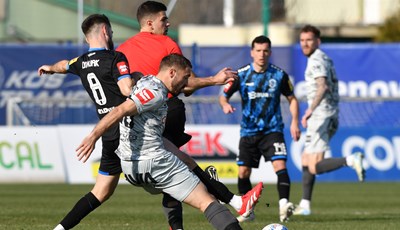
Kronologija: Istra na bizaran način do preokreta, rijetko viđenim pogotkom Radoševića!
12 sati•SuperSport HNL
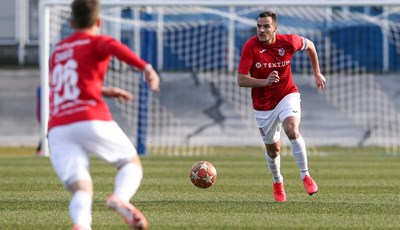
Kronologija: Sesvećani nastavili sjajan niz i upisali novu pobjedu
15 sati•SuperSport Prva NL

HRnogomet postaje dio Sportneta: Hrvatski nogomet pratit će se na još bolji, kvalitetniji i profesionalniji način
17 sati•SuperSport HNL

Toni Fruk je prerastao SuperSport HNL, na ljeto ga čeka transfer karijere
13 sati•SuperSport HNL
Sreća pomazila Istru, preokretom u drugom dijelu stigla do tri važna boda protiv Varaždina
10 sati•SuperSport HNL

Kada talent nije bio dovoljan: deset nadarenih nogometaša koji nisu ispunili očekivanja
16 sati•Nogometni svijet
Šafarić vrlo razočaran: 'Bez šanse su zabili golove, mislim da nije pobijedila bolja momčad'
55 min•SuperSport HNL

Stipić: 'Kada sve stavite na stol, zašto ne bi bilo moguće spasiti Vukovar?'
16 sati•SuperSport HNL