
Engleski Premiership 2008/09





A Michael Owen is not just for Christmas
Can no decent home be found for little Michael Owen?

Call me foolish if you like but I have to confess the current media campaign featuring heart-tugging photos of those moist, dark eyes set in that beseeching little face is upsetting my emotional equilibrium. Indeed hardly a day has gone by over the past month when I have not cast the newspaper aside of a morning, dabbed the salt tears from my cheeks and cried out, "For pity's sake, can no decent home be found for poor little Michael Owen?"
The way things are going the one-time Ballon d'Or winner is going to end up being left tied to the railings at Heworth Interchange until a passerby, alerted by his stoic and sensible droning, reports an abandoned former international striker to the local animal sanctuary and they come round and collect him. This will be the first time such an indignity has been visited on a BBC Sports Personality of the Year (I'm ignoring the business with Princess Anne obviously, that being more of a hen night scenario).
Then of course it will all start up again, the adverts and the appeals. Because the upkeep of a top-quality forward with a proven goalscoring record at every level of the game is very expensive, and animal welfare charities just don't have that sort of money. If they don't manage to rehouse Owen in a couple of months – and nothing suggests such an outcome is likely – it will be a choice between having him humanely destroyed or starting a cull of the other livestock. Put yourself in that position: give a lethal injection to an it's-amazing-to-think-he's-still-only-29-years-old, or shoot a donkey. It's not a decision I'd like to have to make, that's for certain.
Those of us who were in France in 1998 to witness the teenage Owen suddenly burst into the consciousness of the football world like, Ooh I don't know something big and bursty, an illegal Chinese firework in all likelihood, can only wonder at how this has come to pass. How has the incandescent adolescent ended up such a damp and unwanted grown-up squib?
Injury has certainly played its part, and moving to Real Madrid was clearly a mistake, but it is more than that. Looking back, you get a weird sense that right from the start nobody has quite believed in Michael Owen. In France Glenn Hoddle infamously announced that the Liverpool forward was "not a natural goalscorer"; in Euro 2000 Kevin Keegan unceremoniously relegated him to the bench. At Madrid, where he had scored 18 times despite starting only 15 matches, the management preferred to put their faith in Julio Baptista (the football equivalent of donning an Easter bonnet to stave off a nuclear attack).
When he left the Bernabéu only Freddy Shepherd – a man so profligate he gave large wads of cash to Patrick Kluivert – was impressed enough to meet his wage demands. More recently Fabio Capello appears more likely to select a striker at random from outside a minicab office at 2am than pick him while Alan Shearer apparently prefers Obafemi Martins on one leg.
No matter what Owen has done the football world has appeared to reserve judgment, doubt his substance, as if they suspected that when they got up close he would turn out to be a hologram.
It's hard to fathom why exactly that is. Admittedly the Newcastle United striker is not the most charismatic of footballers – but then neither was Gary Lineker or Ian Rush and managers trusted them. And it is certainly true that in recent years he has never been quite able to keep a note of polite peevishness out of his voice. So that most of the time he sounds like a junior executive complaining to the receptionist at his conference hotel that the provision of UHT milk cartons with the in-room tea and coffee making facilities is wholly inadequate.
On the other hand he scored 40 goals in 89 games for England and was the 2001 European footballer of the year, he is polite and gives no trouble just so long as you take him for the occasional walk to the betting shop. Yet still there has hardly been a rush of people stepping forward with an offer for him.
Owen at least is out of contract. Newcastle can let him go without any legal obligation to rehouse him. The increasing cost of other unwanted strikers must, however, be a serious concern. History shows that when people don't want to keep something, but can find no way to get rid of it, they resort to illegal methods. In coming years I fear we may see an increasing number of forwards bought on a whim and then found to be more trouble than they are worth being fly-tipped, dumped by the side of motorways, or abandoned in the woods in the hope that a farmer, seeing them near his sheep, will reach for his shotgun and put a decisive end to the problem.
Others may, like the alligators of New York City, simply be flushed away down the toilet, only to prosper and thrive in the sewerage network. People may say this is actually an urban myth but I for one would never be able to sit comfortably in the bathroom if I thought there was even the slightest chance of Dimitar Berbatov suddenly popping up round the U-bend.
guardian.co.uk

SuperSport HNL
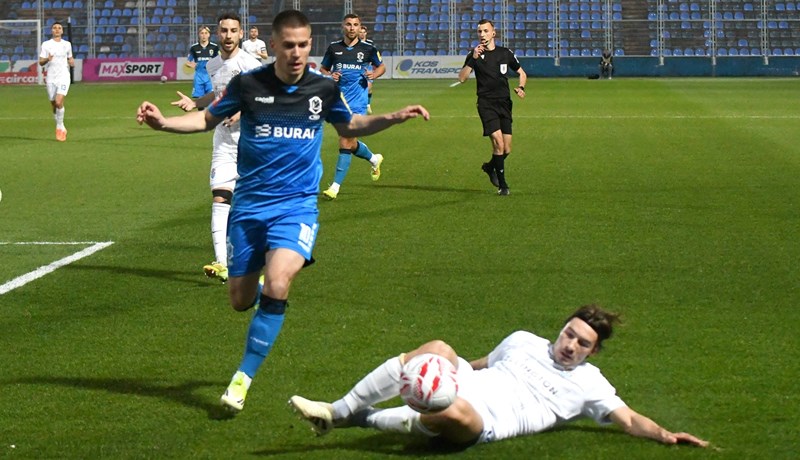
Igrač utakmice: Strijelac i asistent još jednom vodio Varaždin do pobjede
Nogometni svijet
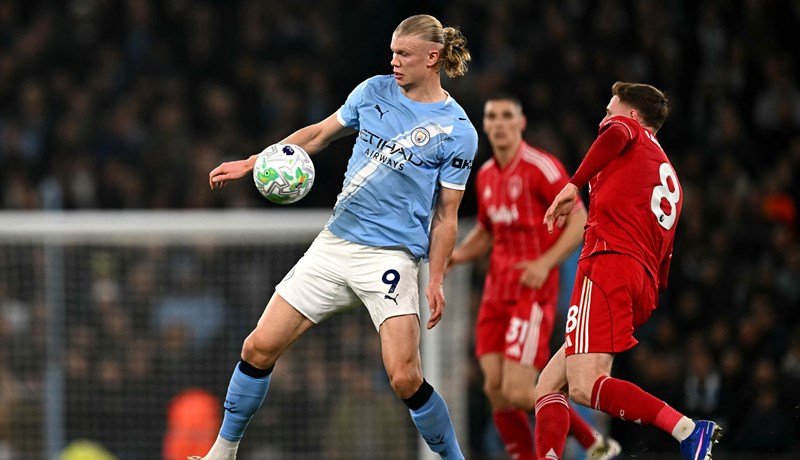
Epaillyjev zicer u SHNL-u podsjetio na Sivonjićev, ali gore su promašivali Ronaldo i Haaland
SuperSport HNL
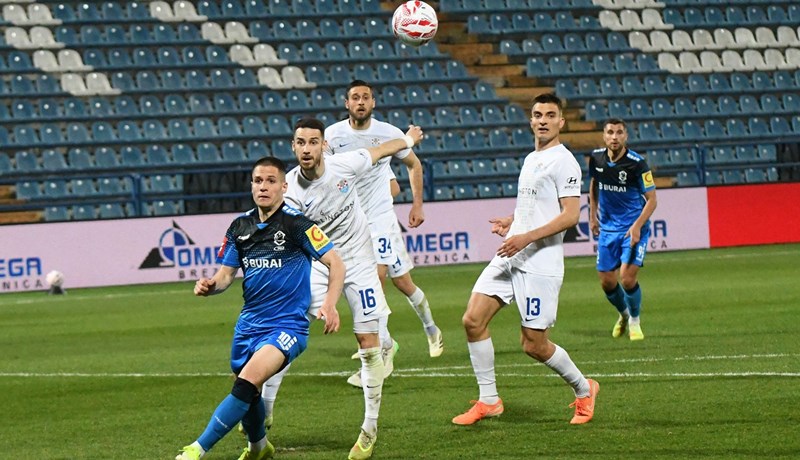
Aleksa Latković uoči završnice dvoboja potvrdio pobjedu Varaždina
SuperSport HNL
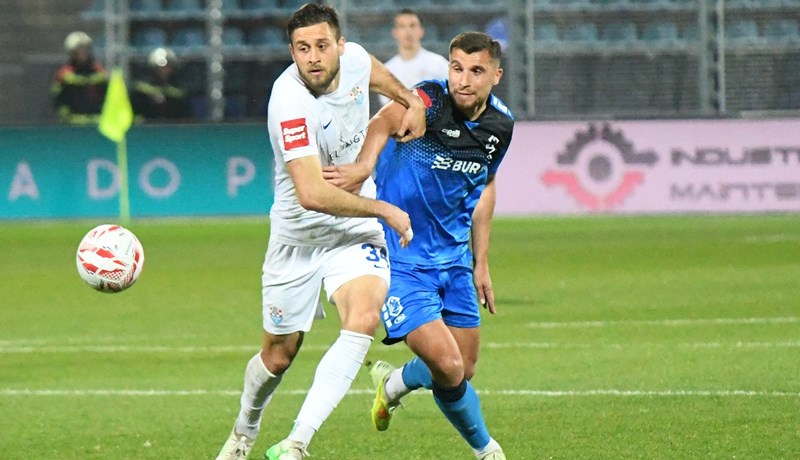
Varaždin prekinuo crni niz, Vukovar svoj nastavio i doveo se u još veće probleme

- Najnovije
- Najčitanije
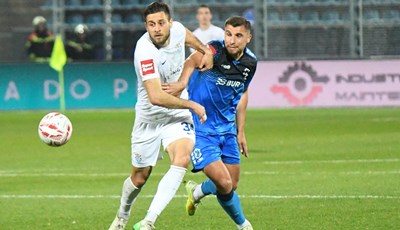
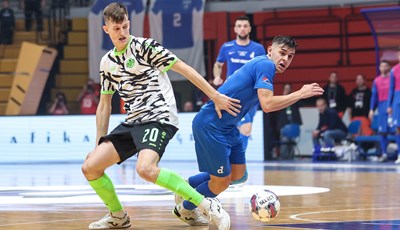
Sjajan derbi u SuperSport HMNL-u, Olmissum u trileru sa šest golova svladao Futsal Dinamo
7 sati•Futsal
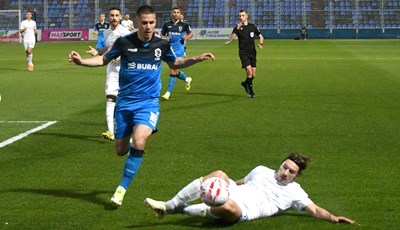
Igrač utakmice: Strijelac i asistent još jednom vodio Varaždin do pobjede
8 sati•SuperSport HNL
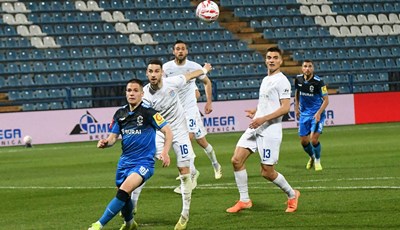
Aleksa Latković uoči završnice dvoboja potvrdio pobjedu Varaždina
8 sati•SuperSport HNL
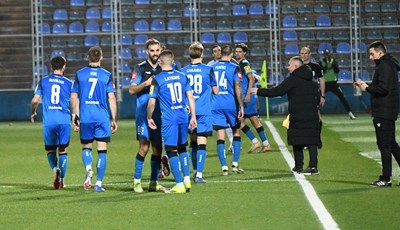
Odlična akcija iz kornera i zasluženo vodstvo Varaždinaca
9 sati•SuperSport HNL
SuperSport Prva NL: Tri gola, tri boda i pjesma u autobusu Orijenta nakon gostovanja u Karlovcu
9 sati•Prva NL
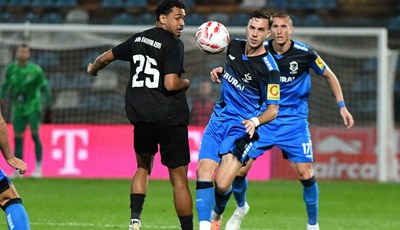
Kronologija: Varaždinci nadigrali i zasluženo svladali posljednjeplasirani Vukovar
11 sati•SuperSport HNL
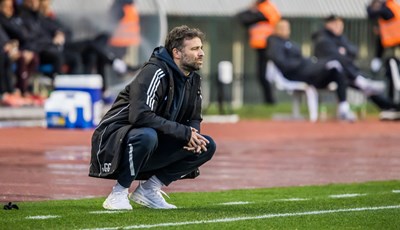
Garcia: 'Igrači nekad pretjerano reagiraju, to je proces, ali moraju biti pametniji'
11 sati•SuperSport HNL
Kronologija: Varaždinci nadigrali i zasluženo svladali posljednjeplasirani Vukovar
11 sati•SuperSport HNL
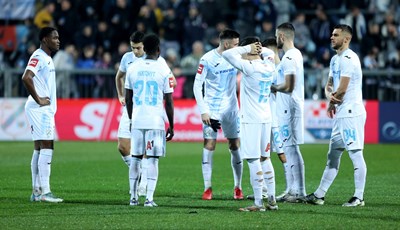
Kronologija: Strasbourg do pobjede na Rujevici u dvoboju s Rijekom
1 dan•Konferencijska liga
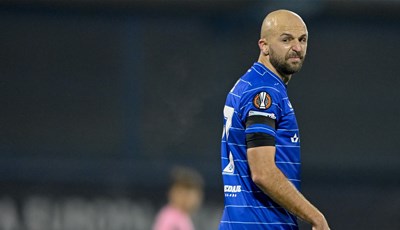
Dinamo mora imati spremnu zamjenu za Mišića, a u SuperSport HNL-u nameću se tri kandidata
13 sati•SuperSport HNL
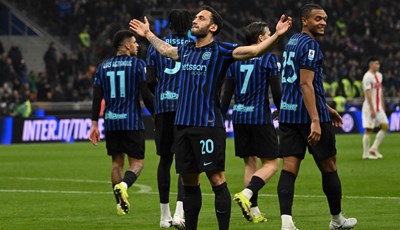
Top 5 utakmica vikenda: Poslastica do poslastice, okršaji ljutih rivala su kao finala ili majstorice
21 sat•Talijanski nogomet
SuperSport Prva NL: Tri gola, tri boda i pjesma u autobusu Orijenta nakon gostovanja u Karlovcu
9 sati•Prva NL

Budi se Hrvatski dragovoljac, upisao je prvu pobjedu u SuperSport Drugoj NL nakon pet mjeseci
12 sati•Druga NL
Varaždin prekinuo crni niz, Vukovar svoj nastavio i doveo se u još veće probleme
9 sati•SuperSport HNL
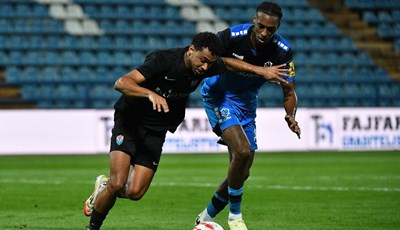
Poznate postave za prvi susret 26. kola SuperSport HNL-a: Varaždin bez Zelenike, Špoljarić starta kod Vukovara
12 sati•SuperSport HNL