
FC Bayern München 2013–14

Tactical analysis: how Guardiola’s 4-1-4-1 was undone by Man City
I hate to say it but another review of the defeat against Manchester City has proved something: Pep Guardiola’s 4-1-4-1 formation is flexible but targeted pressure successfully broke it.
I came across a piece by another blog and their breakdown of the multiple phases of the Bayern’s tactics is interesting. One aspect of the 4-1-4-1 formation that Pep has deployed for months deserves much more than the two paragraphs they gave it. It explains one of the reasons why Bayern didn’t threaten Joe Hart’s goal in the second half. Fixing this will require changes and added flexibility to the lineup.
Let’s get to it, starting with an illustration.

3-4-3
This is pretty much the way Bayern attacks this year. It looks more like a 3-4-3 than anything else. The defensive midfielder (usually Javi) acts as the “quarterback” after recuperating the ball. Central defenders are pushed a bit forward, towards the edges of the pitch. So are the full-backs, who sometimes cross the line in the middle of the pitch. They can hug the edges of the pitch, or go inside a little.
Attacking midfielders (Kroos, Thiago) pull back towards the middle, between the DM and the attacking trio of wingers and a striker up front.
This normally works well. Most teams do not have the ability to follow Bayern’s skilled players around all the time. Our individualities are superior and even in tight situations, they can change positions and find space to pass the ball around.
Now, let’s take a look at a Man City game snapshot that I hate. Taken from another blog.

Wham! Five of their players get inside that tactical scheme to pressure the Bayern offense, right when it starts. The only difference between my graphic and this photo makes it worse: central defenders are a bit behind Javi.
The best forward passing lanes are occupied by City players. They are in great positions to intercept. You don’t have a central defender carrying the ball, as well as a defensive midfielder in the middle to keep the opponent back and busy. Your playmaker (Kroos or Thiago) pulls back so much that he is not a threat going forward. FCB players who are past the middle of the pitch are most likely to be starved of the ball. For long spells, Franck Ribéry didn’t get enough of it to make his usual plays.
It is precisely with this scheme that going in the area and setting up a shot was difficult. City regrouped and tightened up to protect Joe Hart.
Losing possession when starting an attack in that position can also be fatal. CB’s are spread so wide that there is a lot of space for a strong counterattack.
Shaken by Man City’s swarming pressure, the formation didn’t have solutions. It conceded the crucial 2:3 goal, thanks to a mistake by Jérôme Boateng. It never really recovered from that event.
Why do I single this out? Because this positioning is typical since Pep Guardiola took over. It hit a wall against a defence that was prepared to rise to the challenge.
If Pep Guardiola keeps deploying the attack in this fashion, without making changes, Bayern will pay a price for it. There is no doubt that coaches around Europe, including Arsene Wenger, will look at the Manchester City defeat’s tape. Manuel Pellegrini may have found something.
It’s dangerous.
Čitajte http://generalposlijebitke.blogspot.com/BŽV!


Osim sto su najbolji klub na svijetu, znaju brate i pjevati 
https://www.youtube.com/watch?v=FLCQkvhnG4A
https://www.youtube.com/watch?v=FLCQkvhnG4A
***Gianni Infantino, najpoznatija talijansko-švicarska verzija loto-djevojke - Saša Ibrulj----///Svanut ce taj dan...-///-***Cenosillicaphobia: Strah od prazne krigle piva ---"Mamicu pronevjeritelju, odlazi iz svetinje!!!"---

Rafinha extends until 2017
 Right-back Rafinha isn’t going anywhere. He signed a three-year extension to stay at FC Bayern until 2017.
The information, first published by Bild, was confirmed today by the club. Team officials have sometimes answered questions regarding his role and whether he would stay since his contract was running until June 2014 and it had not been renewed.
Rafinha is more involved in the team’s play since Pep Guardiola took over as a coach, with captain Philipp Lahm being used frequently either as a defensive midfield or even attacking midfield. He has his critics and his play is not perfect, but it has improved significantly in the last few months.
Between extending with a right-back whose strengths we know and getting someone else who may not fit in, this seems like the best option.
Čitajte http://generalposlijebitke.blogspot.com/BŽV!
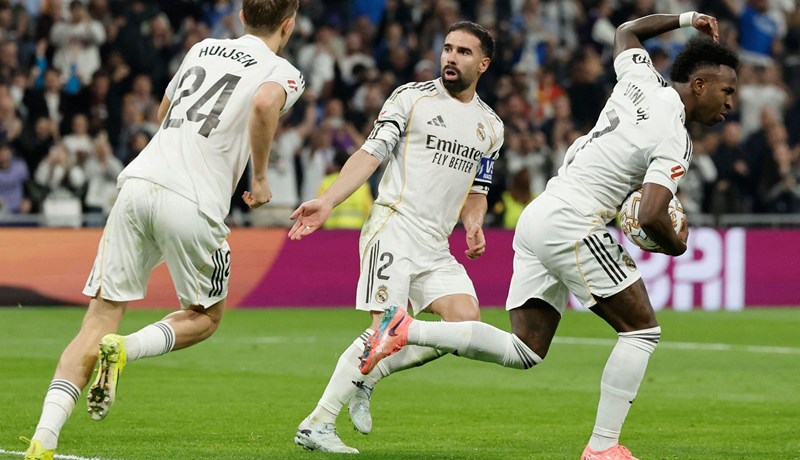
Europske lige
Barometar eurovikenda: Madridski car - Veni, vidi, Vinicius, a Kepa, Manuel, Harry - to su tragičari
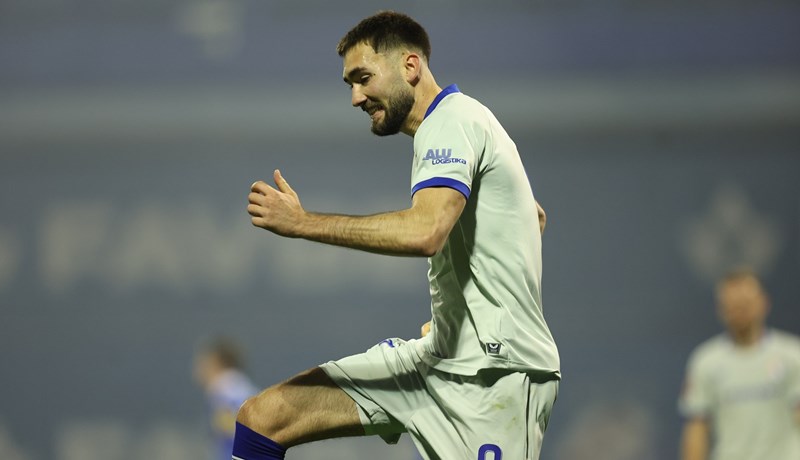
SuperSport HNL
Lokomotiva nije došla na utakmicu, ali to nimalo ne umanjuje Dinamovu kvalitetu i moć
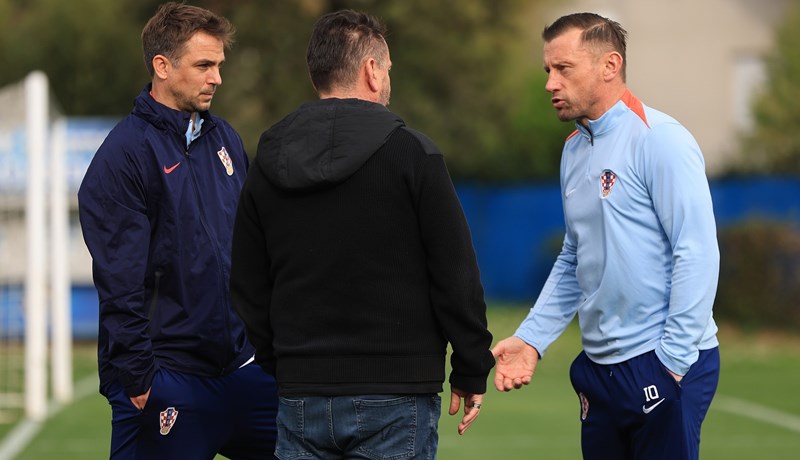
Reprezentacija
Olić: 'U priči oko Segečića ima i dosta slučajnosti, pratili smo i gledali listu, sve moguće u Europi'
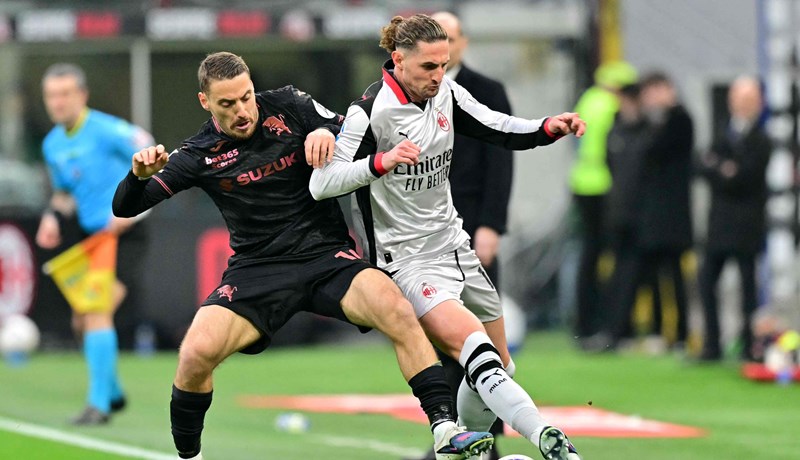
Talijanski nogomet
Nikola Vlašić na meti nekolicine klubova: Talijanski mediji tvrde da bi već ovo ljeto mogao napustiti Torino


- Najnovije
- Najčitanije
Lokomotiva nije došla na utakmicu, ali to nimalo ne umanjuje Dinamovu kvalitetu i moć
9 min•SuperSport HNL
Gorica ima igru za gornji dom SuperSport HNL-a, ali realizacija je dosad bila veliki problem
1 sat•SuperSport HNL
Nikola Vlašić na meti nekolicine klubova: Talijanski mediji tvrde da bi već ovo ljeto mogao napustiti Torino
2 sata•Talijanski nogomet
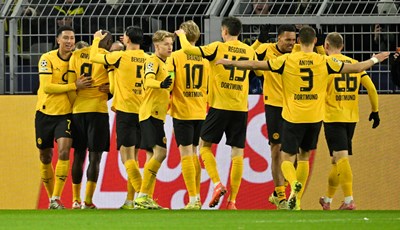
Borussia Dortmund dovela novog sportskog direktora, s niželigašem je radio čuda
3 sata•HNL
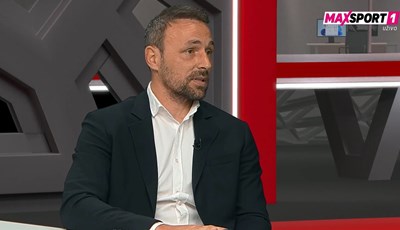
Schildenfeld o otkazu Čabraju: 'Čudna odluka, stiže novi trener, nove ideje, a deset je utakmica do kraja'
2 sata•SuperSport HNL
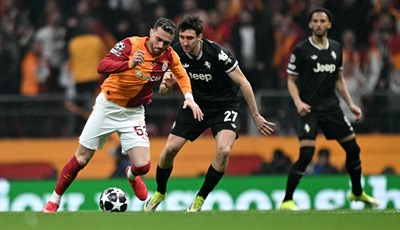
Barcelona želi Cambiasa, ali Juventus ga ne pušta ispod 50 milijuna eura
4 sata•Talijanski nogomet
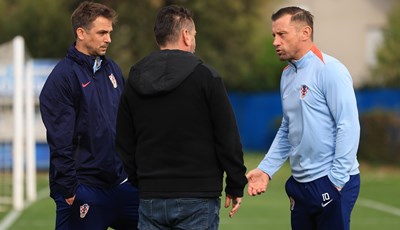
Olić: 'U priči oko Segečića ima i dosta slučajnosti, pratili smo i gledali listu, sve moguće u Europi'
4 sata•Reprezentacija
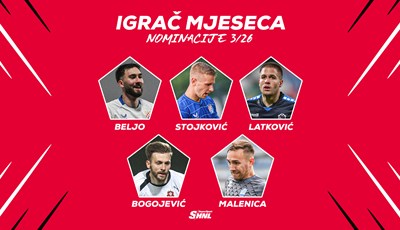
Nominacije za ožujak: Mogu li Beljo i Kovačević obraniti titule najboljih?
10 sati•SuperSport HNL
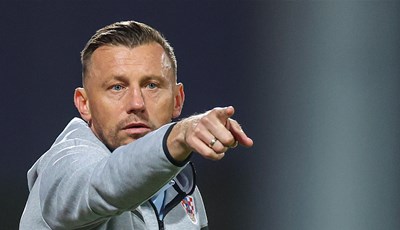
Olićevi puleni: 'Australac' kao osvježenje, tek jedan dinamovac i problem s centarforima
10 sati•Reprezentacija
Olić: 'U priči oko Segečića ima i dosta slučajnosti, pratili smo i gledali listu, sve moguće u Europi'
4 sata•Reprezentacija
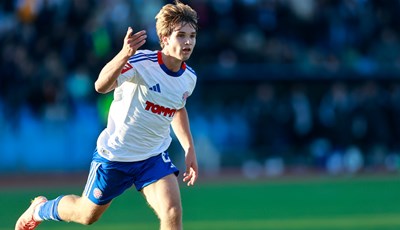
Kronologija: Hajduk do rutinske pobjede na Gradskom vrtu
2 dana•SuperSport HNL
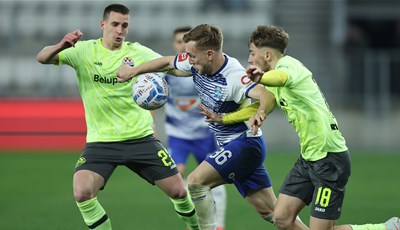
Kronologija: Slaven Belupo i Osijek remizirali bez pogodaka u Koprivnici
1 dan•SuperSport HNL
Barcelona želi Cambiasa, ali Juventus ga ne pušta ispod 50 milijuna eura
4 sata•Talijanski nogomet
Kronologija: Podjela bodova u Dugopolju, domaćin ima za čime žaliti
1 dan•SuperSport Prva NL
Kronologija: Rudeš slomio BSK, u završnici zabio dva gola za potvrdu prvog mjesta u SuperSport Prvoj NL
2 dana•SuperSport Prva NL