
FC Bayern München 2013–14

chercc je napisao/la:
dal je pep jednostavno znao i kad mu je red bull razbio ekipu na pra faktore . a točno, kad se pobjedi to je zasluga pepove genijalnosti, kad spuše, to je zbog igrača
Tebi prijateljske stvarno neko mjerilo i nesto vazno znace... ccc
Nek gube svaku prijateljsku ali ovamo neka osvajaju sve redom...

***Gianni Infantino, najpoznatija talijansko-švicarska verzija loto-djevojke - Saša Ibrulj----///Svanut ce taj dan...-///-***Cenosillicaphobia: Strah od prazne krigle piva ---"Mamicu pronevjeritelju, odlazi iz svetinje!!!"---


Čitajte http://generalposlijebitke.blogspot.com/BŽV!

Gladbach – Bayern analysis in tactics and statistics
 Print
Print What to make of the 2:0 win in Mönchengladbach? My analysis of gameplay tactics and statistics will show you that it was a most competent display by the Bavarians, with only a few slip-ups to highlight.
Tactical points
It looks like the Reds have learned a lot during their training camp in Qatar. The 4-1-4-1 deployed by Pep Guardiola was of the most flexible I have seen so far. At times, it felt like a 3-4-3 but the players had plenty of room to change things in the course of the game, often reverting to a virtual 4-2-3-1 with two midfielders in the middle. Have a look:

Unsure? Then look at the following “average position” graphic from FourFourTwo, which absolutely reflects what went on. Kroos pulling back. Central defenders playing towards the middle instead of their wide 4-1-4-1 positions.

Mario Götze and Thomas Müller spent most of the time respectively at false nine and right winger, although some swaps took place between them. More importantly, however, it is how the two linked up and how Götze found space in the passive Gladbach defence that was surprising, leading to some early chances.

One could complain that for long spells, Bayern lacked authority. They passed the ball around and back towards Manuel Neuer. But it’s not exactly their fault. Gladbach coach Lucien Favre is no idiot. He made adjustments and made his players pull back behind the ball, crowding the last third of the pitch and forcing the Bayern defence to play high up there to generate anything offensively.

During the course of the game, I read comments from Bayern fans saying that our defending wasn’t that good. Although the team generally played well, there were a couple of slip-ups that lead to direct shots on goal. The first was Dante’s fault. He turned his back on the play and it gave the opponent enough time to launch a low torpedo.

Then, there were a few positional errors. Look at this play in the 45th minute. A passer is totally uncovered. Bayern defenders are all bunched up towards their left and there are two options. It ends up with Arango shooting from the left.

Let’s not be arrogant. Gladbach’s chances were not just Bayern’s fault. Their own pace and passing game combine very well to get things going. Take a look at the following pass going towards the right wing. A visionary play that set up a chance out of nowhere.

In the last 30 minutes, Bayern played very, very well. After the second goal by Müller on a penalty, fluid movement and ball control set the pace, not giving the foals much of a chance to strike back. Example? Look at the following screenshot. FCB adapted so well to Gladbach’s “behind the ball” tactics that Thomas Müller had four passing options in the 65th minute.

Statistical points
On to my usual statistical analysis.
My man of the match
Mario Götze. He led the charge. 91 runs, 7 shots on goal, one in the back of the net. 20 challenges won. Two key passes, 9 dribbles. Game. Set. Match.
Thomas Müller
His partnership with Götze was very productive. He produced 4 shots of his own, served up 3 key passes and dribbled once.
High tempo
Unusually, FCB ran hard on Friday. They averaged 7.4 kilometer per hour, when the team usually averages 7 or under. Seven players covered more than 11 km. They had legs this time.
Winning challenges
54% success rate. Bayern didn’t give up many balls, especially in the middle. It was harder to contain Gladbach’s quality passes than going one on one. For once, I give Thiago credit with 19 successes.

Dante
I’ve often criticized Dante but he was rather solid. 19 challenges won. Four clearances and one interception.
Poor in the air
Only 23 wins out of 51 challenges. This is unacceptable against a team that is weak in the air. We currently are the worst in the league while we were strong last season.

Čitajte http://generalposlijebitke.blogspot.com/BŽV!

SuperSport HNL
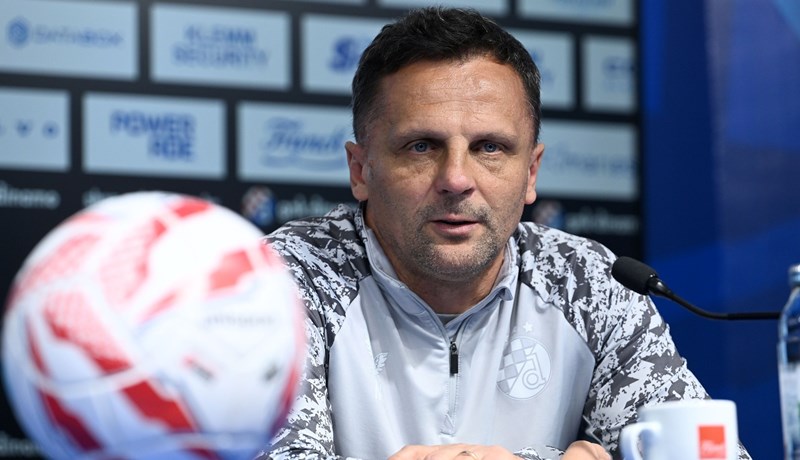
HRnogomet postaje dio Sportneta: Hrvatski nogomet pratit će se na još bolji, kvalitetniji i profesionalniji način
SuperSport HNL
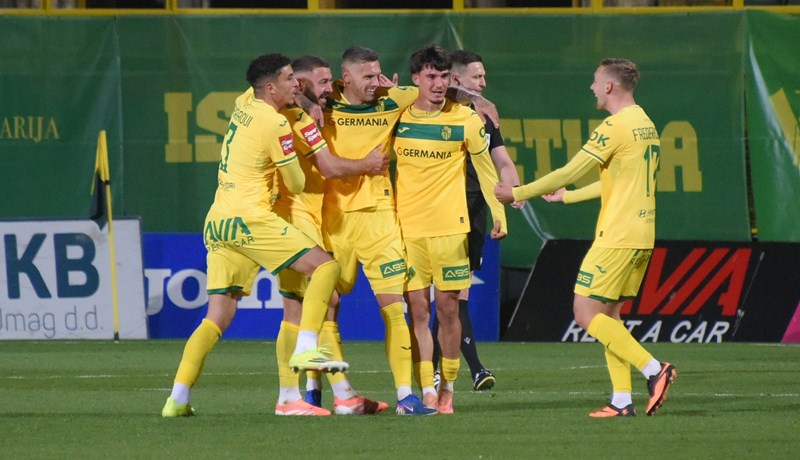
Kovačević: 'Nogomet se igra 90 minuta, nekad uspijete slomiti suparnika na početku, nekad u drugom dijelu'
SuperSport HNL
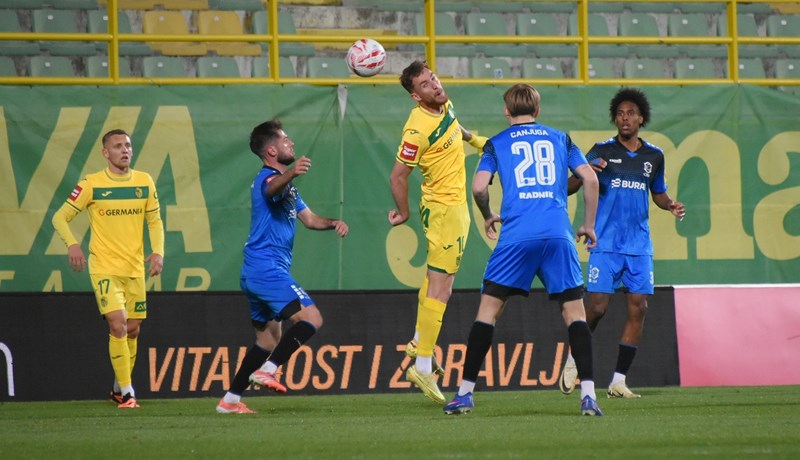
Ahmeti: 'Vidjeli smo da nešto ne štima i da se svi moramo podići kao ekipa'
SuperSport HNL
Sreća pomazila Istru, preokretom u drugom dijelu stigla do tri važna boda protiv Varaždina


- Najnovije
- Najčitanije
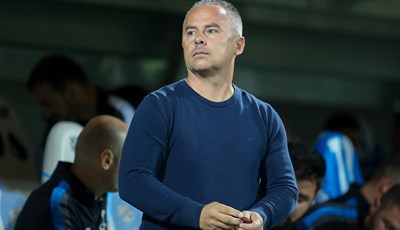
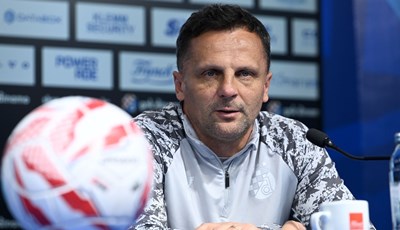
Kovačević: 'Nogomet se igra 90 minuta, nekad uspijete slomiti suparnika na početku, nekad u drugom dijelu'
1 sat•SuperSport HNL

Promjena na klupi se isplatila, Labrović vodio Hrvace do pobjede u Karlovcu
1 sat•SuperSport Prva NL
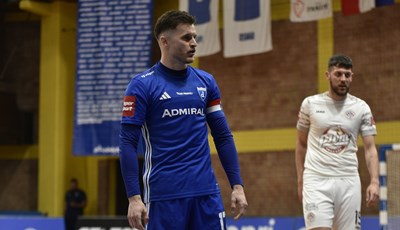
Favoriti padali: Vrgorac šokirao Futsal Dinamo, Rijeka bez bodova u Dubrovniku
2 sata•SuperSport HMNL
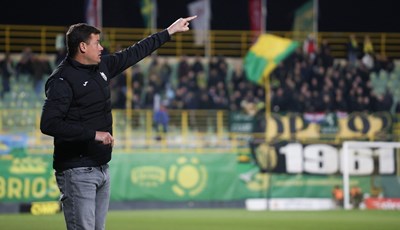
Riera: 'Drugi pogodak došao je uz puno sreće, ali na kraju moramo biti zadovoljni'
2 sata•SuperSport HNL
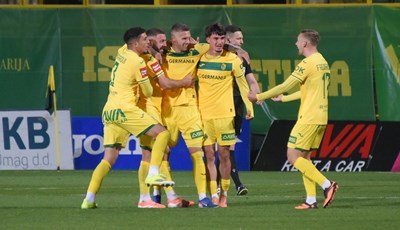
Ahmeti: 'Vidjeli smo da nešto ne štima i da se svi moramo podići kao ekipa'
3 sata•SuperSport HNL
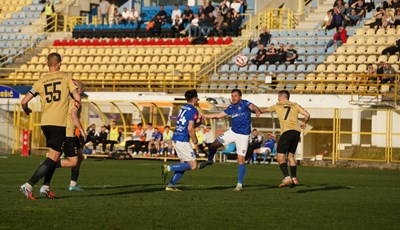
Kustošija se vratila pobjedama, crni niz Đakovčana se nastavlja
3 sata•SuperSport Druga NL
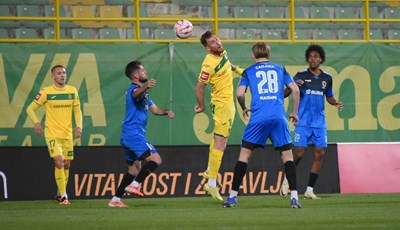
Sreća pomazila Istru, preokretom u drugom dijelu stigla do tri važna boda protiv Varaždina
10 sati•SuperSport HNL
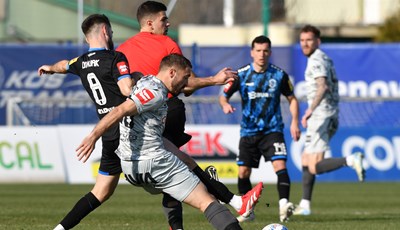
Kronologija: Istra na bizaran način do preokreta, rijetko viđenim pogotkom Radoševića!
13 sati•SuperSport HNL
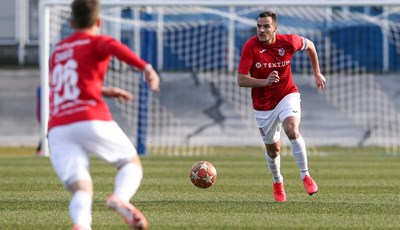
Kronologija: Sesvećani nastavili sjajan niz i upisali novu pobjedu
15 sati•SuperSport Prva NL

HRnogomet postaje dio Sportneta: Hrvatski nogomet pratit će se na još bolji, kvalitetniji i profesionalniji način
18 sati•SuperSport HNL

Toni Fruk je prerastao SuperSport HNL, na ljeto ga čeka transfer karijere
14 sati•SuperSport HNL
Sreća pomazila Istru, preokretom u drugom dijelu stigla do tri važna boda protiv Varaždina
10 sati•SuperSport HNL
Kada talent nije bio dovoljan: deset nadarenih nogometaša koji nisu ispunili očekivanja
16 sati•Nogometni svijet
Stipić: 'Kada sve stavite na stol, zašto ne bi bilo moguće spasiti Vukovar?'
16 sati•SuperSport HNL
Riera: 'Drugi pogodak došao je uz puno sreće, ali na kraju moramo biti zadovoljni'
2 sata•SuperSport HNL