
Hrvatska-Brazil



EVO MALO DA JOŠ MALO PODGRIJEMO ATMOSFERU ( btw - odlična je ovaj potez FIFA-inog site-a sa PRE-MATCH ANALYSIS! )
Brazil begin with Croatia clash
7 June 2006
by FIFAworldcup.com

In a break with FIFA World Cup™ tradition, the defending champions will not take part in the opening fixture at this year's tournament. That honour falls to hosts Germany, who get the ball rolling with their showcase match against Costa Rica on 9 June. For their part, holders Brazil open their account on 13 June in Berlin, where they face potentially their toughest Group F opponents, Croatia.
Colours for the game
Brazil: yellow shirt, blue shorts, blue socks
Croatia: red and white shirt, white shorts, white socks
View the Germany 2006 match schedule
The players
While Brazil boast a squad full of big-name stars, coach Carlos Alberto Parreira will be only too aware that opening matches tend to be problematic. Nerves will obviously play their part, but Parreira knows his side's task has been made harder by the quality of their first opponents. Croatia are currently blessed with a good mix of youth and experience, and are equally adept in both attack and defence. Igor Tudor is their defensive rock, and Dado Prso will be relied upon for goals. Meanwhile, the Kovac brothers (Robert and Niko) and right-sided midfielder Darijo Srna add further quality to the team.
How they qualified
If Brazil faced few problems in topping the South American qualifying table, then Croatia can also draw comfort from their own efforts at ensuring a trouble-free passage to the finals. They finished Group 8 of the European Zone in first place, relegating an excellent Sweden team to the play-offs in the process.
Past meetings
Brazil and Croatia have met just once since Croatia gained independence from Yugoslavia in 1991. The clash came only recently as both teams played out a 1-1 draw in Split in August last year. However, Brazil and Yugoslavia have a longstanding FIFA World Cup rivalry dating back to the inaugural tournament hosted by Uruguay in 1930. Brazil lost 2-1 to their Yugoslavian opponents on that occasion but were able to get their revenge 20 years later on home turf courtesy of a 2-0 win. The teams met again in Switzerland in 1954 and in West Germany in 1974. Both matches were drawn, highlighting the equilibrium between the two teams, and perhaps giving us an insight into their forthcoming encounter.
Tournament history
Although only a young footballing nation - the Croatian Football Federation joined FIFA in 1992 - the Croats can already consider themselves as FIFA World Cup veterans. This summer will see them make their third consecutive finals appearance. Making their debut in 1998, Croatia enjoyed unprecedented success before crashing out to eventual champions and hosts France in the semi-finals. However, they recorded a shock 3-0 win over Germany in the previous round and finished the tournament in third place, after inflicting a 2-1 defeat on the Netherlands. Star striker Davor Suker scooped the adidas Golden Shoe award with six goals to his name. Croatia were unable to reproduce their fine form in 2002 though, failing to advance from their group.
Brazil's incredible FIFA World Cup history is well documented. The Seleção have played in every single tournament and have been triumphant a record five times: in 1958, 1962, 1970, 1994 and 2002. They have also finished as runners-up twice: on home soil in 1950, and in France in 1998.
Key contest
The match-up between Roberto Carlos and Srna should make interesting viewing. Brazil's veteran left-back, perhaps better known for his attacking instincts and thunderous left-foot shot, is a constant menace for opposition defences. Croatia's main attacking threat, on the other hand, could come from their young right winger Srna. The fleet-footed wide man has a keen eye for goal, having scored five of Croatia's 21 goals in their qualifying campaign.
The coaches
Despite having masterminded Brazil's FIFA World Cup victory in 1994, Parreira previously had to endure criticism over his defensive tactics. However, his 2006 Brazil model is anything but defensive, with the veteran coach hoping to build the side's success around the attacking quartet of Kaka, Ronaldinho, Ronaldo and Adriano.
Since Croatia's golden generation departed from the international scene, coach Zlatko Kranjcar has been forced to modify Croatia's style of play. The team has now adopted a 3-4-1-2 formation, with three men in central defence, two defensive midfielders supported by two attacking wingers, and a traditional playmaker (Kranjcar's son Niko) operating in the hole behind the front pair.


Brazilië krijgt dikke klop van Brazilië B
10/6/2006 20:47
Geen lekkere generale voor Brazilië. De ploeg van bondscoach Carlos Alberto Parreira kreeg in een trainingspartijtje flink op de broek van Brazilië B.
10/6/2006 20:47
Geen lekkere generale voor Brazilië. De ploeg van bondscoach Carlos Alberto Parreira kreeg in een trainingspartijtje flink op de broek van Brazilië B.
Drie dagen voordat de Brazilianen aftrappen tegen Kroatië bleken de reserves met 3-0 te sterk in de 45 minuten durende wedstrijd. In Königstein scoorde Juninho Pernambucano twee keer en maakte Fred één goal.
Brazilië B won dik verdiend aangezien de tweede keus veel meer enthousiasme in de strijd wierp dan de basisploeg.
brazil rezerve su dobile brazil A s 3-0
strijelci Juninho Pernambucano 2 x i 1 x Fred
nudi nam perspektivu
SuperSport HNL
Carević: 'Svjestan sam ja što je nogomet, u dva kola mogu ti se preokrenuti i bodovni saldo i psihologija'
SuperSport HNL
Zekić: 'Kada Dinamo počne trčati, onda je to jako teško pratiti'
SuperSport HNL
Pogledajte kako je Vukovar upisao novi poraz, Varaždin vrlo dobrim nastupom do pobjede
SuperSport HNL
Vukovar pronašao novog trenera, u hrvatski nogomet vraća se Tomislav Stipić

| Cico: Nisam ja Barić da na Brazil idem sa sedam stopera |
| Objavljeno prije 25 minuta |
 |
 |
|
U NEDJELJU su u Bad Brueckenauu, bazi naše reprezentacije, trenirali svi, čak i Ivica Olić, koji je prije par dana proglašen otpisanim za susret s Brazilom zbog ozljede desnog butnog mišića. Izbornik Zlatko Kranjčar poslijepodne bio je, prema rasporedu, na dispoziciji novinarima i, izgleda, ponovo se uspio naživcirati. Posljednjih dana između naših novinara i čelni ljudi reprezentacije ionako sijevaju munje, čak i Cico više nije imun na kritike, no u subotu na press koferenciji zapravo su ga zaskočili brazilski pripadnici sedme sile. |
Domovine sin
- Najnovije
- Najčitanije
Najzanimljiviji trenuci dvoboja susjeda na ljestvici, Osijek i Gorica remizirali
5 sati•SuperSport HNL
Carević: 'Svjestan sam ja što je nogomet, u dva kola mogu ti se preokrenuti i bodovni saldo i psihologija'
6 sati•SuperSport HNL
Schildenfeld o Vukovaru: 'Na početku sezone nitko nam nije davao šanse i nismo imali nikakav teret'
6 sati•SuperSport HNL
Pogledajte kako je Vukovar upisao novi poraz, Varaždin vrlo dobrim nastupom do pobjede
6 sati•SuperSport HNL
Zekić: 'Kada Dinamo počne trčati, onda je to jako teško pratiti'
6 sati•SuperSport HNL
Schildenfeld: 'Ako Rijeka ponovi hrabar pristup kao u prvom susretu, ima o čemu sanjati u Strasbourgu'
7 sati•Konferencijska liga
Nakon maksimirske golijade: Gregurina zadovoljan s prvih sat vremena, Kovačević s drugim dijelom
7 sati•SuperSport HNL
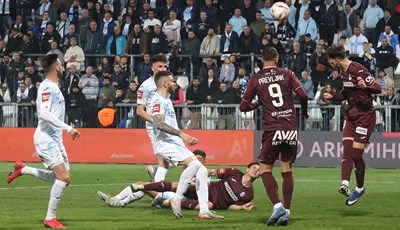
Ovako je Istra 1961 za manje od deset minuta stigla do prednosti koja joj je donijela tri boda u Rijeci
10 sati•SuperSport HNL
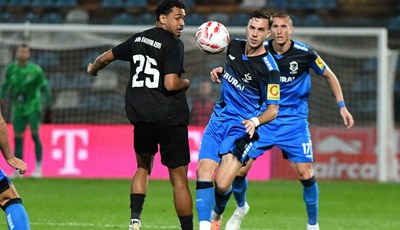
Kronologija: Varaždinci nadigrali i zasluženo svladali posljednjeplasirani Vukovar
3 dana•SuperSport HNL
Carević: 'Svjestan sam ja što je nogomet, u dva kola mogu ti se preokrenuti i bodovni saldo i psihologija'
6 sati•SuperSport HNL
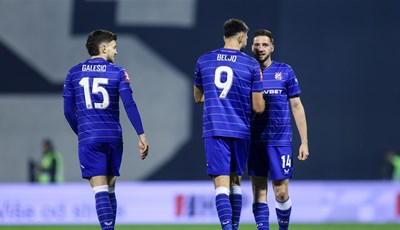
Pogledajte show Diona Drene Belje i kako je Dinamo napunio mrežu Slaven Belupa
9 sati•SuperSport HNL
Pogledajte kako je Vukovar upisao novi poraz, Varaždin vrlo dobrim nastupom do pobjede
6 sati•SuperSport HNL

Sanchez: 'Primili smo ponovno gol iz pogreške, kao protiv Strasbourga imali prilike kasnije, ali nismo zabili'
8 sati•SuperSport HNL
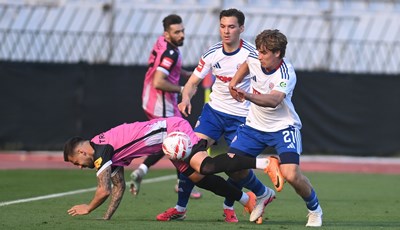
Pogledajte kako je Hajduk u vrlo uzbudljivom susretu upisao pobjedu protiv Lokomotive
10 sati•SuperSport HNL
Najzanimljiviji trenuci dvoboja susjeda na ljestvici, Osijek i Gorica remizirali
5 sati•SuperSport HNL