
NK Dinamo Zagreb 09/10


Leader je napisao/la:
LuxAngelus je napisao/la:
Sretan 99. rođendan prvom hrvatskom građanskom športskom klubu-Dinamo.

Prvi građanski
26. travnja navršit će se 90 godina otkako je utemeljen Prvi hrvatski građanski športski klub, poznat po jednostavnijem nazivu - Građanski. Klub je nastao kao reakcija na već postojeća dva velika kluba, HAŠK (Hrvatski akademski športski klub) okupljao je, kao što mu i samo ime kazuje, pretežno zagrebačku akademsku elitu, Concordia je također bila samo za odabrane, okupljala je srednjoškolce iz imućnih obitelji, dok "obični" građani nisu imali svoj klub u kojem bi se mogli baviti sportom i natjecati se među "elitom".
http://www.sportnet.hr/vijesti/127153/nogomet/90-godina-gradjanskog?print=1
[uredio MrPC - 26. travnja 2010. u 15:22]


menie je super ime concordia
hildebrand na ulici ,mamicu?
Hoffenheim trennt sich von Torhüter Hildebrand Die Trennung zwischen 1899 Hoffenheim und Ex-Nationaltorwart Timo
Hildebrand (Foto) zum Saisonende sch
Die Trennung zwischen 1899 Hoffenheim und Ex-Nationaltorwart Timo
Hildebrand (Foto) zum Saisonende sch
hildebrand na ulici ,mamicu?
Hoffenheim trennt sich von Torhüter Hildebrand
Die Trennung zwischen 1899 Hoffenheim und Ex-Nationaltorwart Timo
Hildebrand (Foto) zum Saisonende sch[uredio dz - 26. travnja 2010. u 15:39]


Nogometni svijet
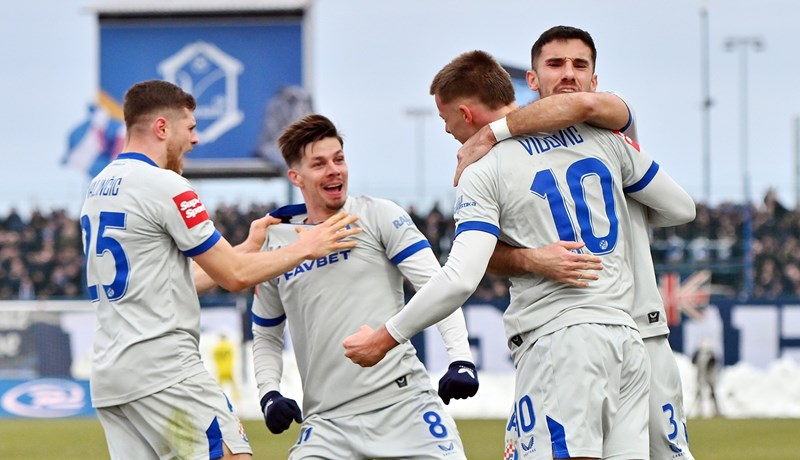
Cesar potvrdio: 'Miha Zajc neće igrati za reprezentaciju Slovenije'
Liga prvaka
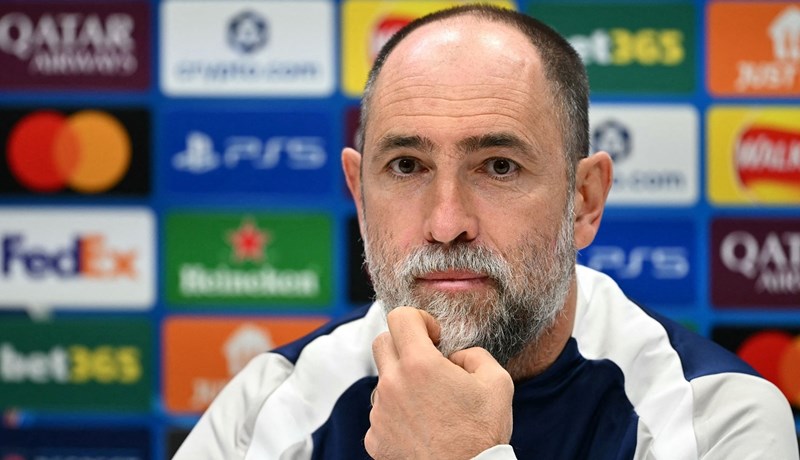
Tudor: 'Želimo pokazati da možemo igrati s Atleticom i da nije bolji od nas'
Španjolski nogomet
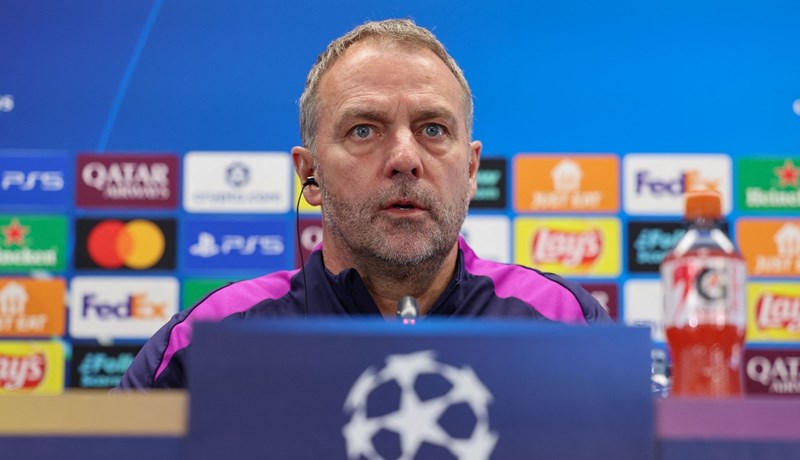
Flick o produljenju ugovora s Barcelonom: 'Moram razgovarati sa svojom obitelji'
SP 2026.
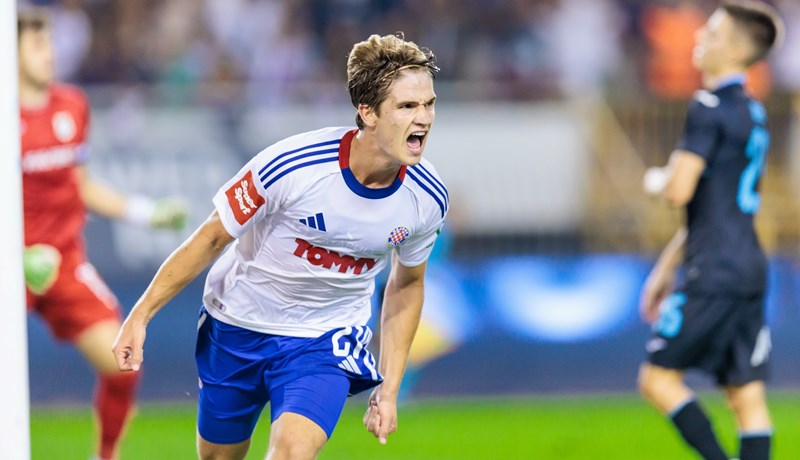
Pukštas bez poziva u američku reprezentaciju uoči predstojećih prijateljskih susreta
LuxAngelus je napisao/la:
dz je napisao/la:
koji je prjevod tog gradjanski -klub gradjana,gospode?Klub šire mase ljudi, ajmo reć običnog puka(građana) u to doba. Gospode su navijale za Concordiju i HAŠK, grubo rečeno.
Klub se doslovce zvao tad 1. HGŠK aka Građanski, tako da nisam ono gore krivo napisao.
Čak postoji vjerojatnost da će se iduće sezone klub službeno zvati Građanski nogometni klub Dinamo.
ovdje pise dinamo Gründung: 26.04.1911
http://www.transfermarkt.de/de/nk-dinamo-zagreb/fakten/verein_419.html
znaci imamo 99 godina ocel bit kakva festa?
 In the spring of 1911. Croatia was still a part of
Austria-Hungary.
In the spring of 1911. Croatia was still a part of
Austria-Hungary.
Not happy with its status and position over the years Croats were always
looking for ways how to express their wish for independence and its
national feelings. Football was just one of them. In the April of 1911.
the talk of the town was that a new Hungarian football club is to be
formed in Zagreb and was to be a member of Hungarian Football
Association even though all other Zagreb's football clubs were members
of Croatian Sports Association which was formed in 1909. As the revolt
among Croat sports people grew the feeling was that its time for another
football club to be established in Zagreb ahead of Hungarian one, thus 1. HŠK Gradjanski Zagreb
(Prvi Hrvatski Gradjanski Športski Klub Zagreb - First Croatian
Citizen's Sports Club Zagreb) was formed on 26. of April 1911. by
Andrija Mutafelija and a group of friends in a Tavern at Petar
Preradović Square. At first the jerseys our players wore were with
yellow and red stripes. After the World War I the all blue was choosen
to be the Club's main colour. The Club played its first game on 21st of
May 1911. and young and inexperienced players lost to HAŠK Zagreb
(reserves) 1:5. Almost two months after formation Gradjanski won its first game on 25th of
June 1911. vs Croatia and the score was 6:1. Next year first Croatian
& Slavonian Championship was played at HAŠK Zagreb's stadium in
Maksimir and participants from Zagreb were: HAŠK, 1.HŠK
Gradjanski, HŠK Concordia, Croatia and Zagreb. In the 1920's
& 1930's the club played in Old Yugoslavia League, participated
well in MITROPA CUP and played numerous friendly games (notably a 1:0
away win vs Barcelona in 1923., 0:0 home draw with Brasil in 1934., 5:1
home win vs Liverpool FC and away draw with Hearts 4:4, both in 1936.).
After the end of Old Yugoslavia in 1941. and during WWII Gradjanski played in Croatian League,
1941-1945. The Club had gone through its hardest times immediately after
the WWII when although not a WWII regime's club, was banned, by a
political decree, on 19th of May 1945., together with other known
Zagreb's clubs such as HŠK Concordia Zagreb and HAŠK
Zagreb. The Club's archives were burned by the new regime and
all of the trophies were stolen. New club was formed on 9th of June
1945. and named NK Dinamo Zagreb
(name was suggested by Ivica Medarić an ex-Gradjanski
and HAŠK Zagreb player). NK Dinamo Zagreb
continued playing at Gradjanski's
stadium in Koturaška street, from 23rd of June 1945. until the 19th of
September 1948. when they moved to Maksimir (first game at Maksimir
stadium was vs Partizan Belgrade and Dinamo won 2:1). At first the coach
was Branko 'Grlica' Kunst, an ex-HAŠK Zagreb player, then legendary
Hungarian coach Marton Bukovi took over the coaching again. Most of the Gradjanski's
players of that era stayed and continued playing at NK
Dinamo Zagreb, Milan Antolković, Ivica
Belošević, Zvonimir Cimermančić, Ivan Jazbinšek, Mirko Kokotović,
August Lešnik, Ivica Medarić, Branko Pleše, Ivica Reiss, Emil Urch,
Franjo Wölfl and juniors, who were coached by Maksimilijan Mihelčić,
Zlatko Bučar, Vladimir Čonč, Emil Ferković, Josip Gereš, Drago Kukec,
Stjepan Martinec and Branko Režek. Players that joined newly formed club
from HAŠK Zagreb were Nikola Duković, Željko
Čajkovski, Ratko Kacian, Drago Lojen and Svetozar Peričić. Some Gradjanski players (Stjepan Bobek,
Miroslav Brozović, Franjo Glaser, Florijan Matekalo, Franjo Šoštarić)
were forced to play for newly formed army club Partizan Belgrade,
together with players from other Zagreb's clubs and the rest of Croatia
(Zlatko Čajkovski, Franjo Rupnik, Vladimir Firm, Ivan Švaljek and Jozo
Krnić).
Since the year of formation the Club, who due to political instability have undergone a number of name changes throughout its history (started as 1.HŠK Gradjanski Zagreb then NK Dinamo Zagreb, HAŠK Gradjanski, NK Croatia Zagreb and now NK Dinamo Zagreb, again) have won the Domestic Championship 21 times and Domestic Cup 18 times.

[uredio dz - 26. travnja 2010. u 15:47]
- Najnovije
- Najčitanije
Neymar ima motiva, ali svjestan da je možda već otplesao posljednju sambu
11 sati•Nogometni svijet
Tudor: 'Želimo pokazati da možemo igrati s Atleticom i da nije bolji od nas'
9 sati•Liga prvaka
Pukštas bez poziva u američku reprezentaciju uoči predstojećih prijateljskih susreta
13 sati•SP 2026.
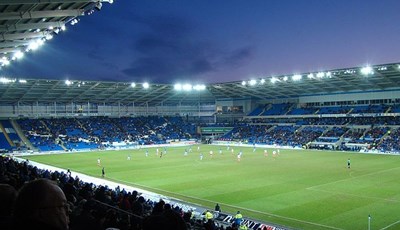
Velški izbornik objavio popis igrača za dodatne kvalifikacije za Svjetsko prvenstvo
15 sati•SP 2026.
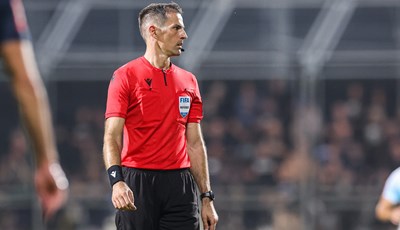
Sudačka analiza: Layec potvrdio Strukanovu odluku, kazneni udarac za Dinamo bio je čist
14 sati•SuperSport HNL
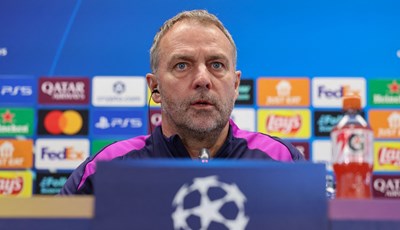
Flick o produljenju ugovora s Barcelonom: 'Moram razgovarati sa svojom obitelji'
14 sati•Španjolski nogomet
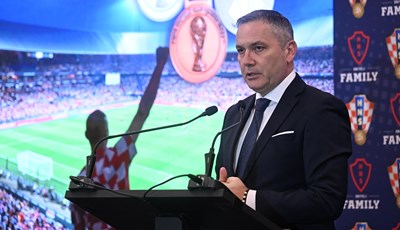
Održana redovna sjednica Skupštine Hrvatskog nogometnog saveza uz prisutnost gostiju iz Fife i Uefe
14 sati•Reprezentacija
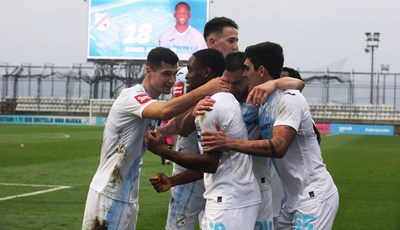
Kronologija: Istra u prvih deset minuta riješila dvoboj protiv Rijeke!
2 dana•SuperSport HNL

Kronologija: Hajduk pobijedio Lokomotivu na Poljudu
2 dana•SuperSport HNL
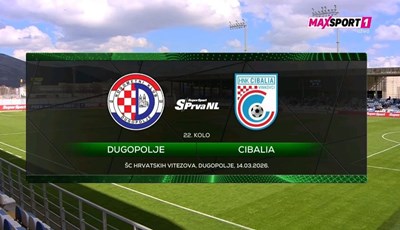
Kronologija: Preokret Dugopolja protiv Cibalije, Vinkovčani treći put zaredom prokockali prednost
3 dana•Prva NL
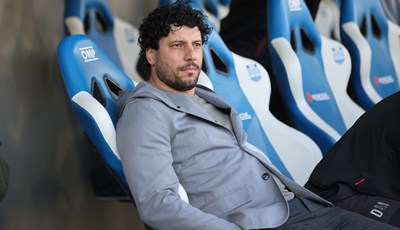
Carević: 'Svjestan sam ja što je nogomet, u dva kola mogu ti se preokrenuti i bodovni saldo i psihologija'
1 dan•SuperSport HNL

Kronologija: Rudeš novom pobjedom drži prednost na vrhu ljestvice
2 dana•Prva NL
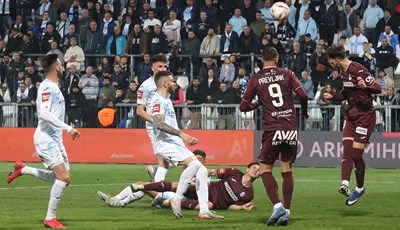
Ovako je Istra 1961 za manje od deset minuta stigla do prednosti koja joj je donijela tri boda u Rijeci
1 dan•SuperSport HNL
Pogledajte kako je Vukovar upisao novi poraz, Varaždin vrlo dobrim nastupom do pobjede
1 dan•SuperSport HNL
Kronologija: Remi Osijeka i Gorice na Opus Areni
3 dana•SuperSport HNL