
Reprezentacija Srbije


Evo ti citaj malo, ako znas engleski?!
History
- Main article: History of Serbs
- See also: Origin of Serbs, History of Serbs in Vojvodina, History of Serbs in Kosovo, History of Croatian Serbs, History of Bosnian Serbs, History of Serbia
The tribal designation Serboi first appears in the 1st century in the works of the Tacitus (ca. 50 AD) and Pliny (69-75 AD), and also in the 2nd century in the Geography of Ptolemy (book 5, 9.21) to designate a tribe dwelling in Sarmatia, probably on the Lower Volga River.
The Slavs (including Serbs) came to the Balkans from a broad region in central and eastern Europe, which extended from the rivers Elbe in the west to the Dnieper in the east and from a point which touched the Carpathian mountains in the south and the river Niemen in the north. Different tribes settled in different parts of the Balkan peninsula, subsequently developing their distinct identities after displacing the Romanized Vlach population which already was in the area. The Balkan Vlachs were descendants of Romanized Thracians, Dacians and the Illyrians, and during the history these Vlachs mixed with Slavic tribes, thus present-day Slavic nations of the Balkans, including Serbs, have both, Slavic and Vlach (Illyrian, Thracian, ect.) ancestors.

The Serb settlement in the Balkans appears to have taken place between 610 and 640. The first certain data on the state of the Serboi, Serbia, dates to the 9th century. The Serbs were Christianized in several waves between the 7th and 9th century with the last wave taking place between 867 and 874.
During and after that period, Serbs struggled to gain independence from the Byzantine. The first Serb states were Rascia or Raška and Zeta. Their rulers had a varying degree of autonomy, until virtual independence was achieved under Saint Sava, who became the first head of the Serb Orthodox Church and his brother Stefan Prvovenčani of Serbia, who became the first Serb king. Serbia did not exist as a state of that name but was, rather, the region inhabited by the Serbs; its kings and tsars were called the "King of the Serbs" or "Tsar of the Serbs", not "King of Serbia" or "Tsar of Serbia". The medieval Serbian state is nonetheless often (if anachronistically) referred to as "Serbia".
Serbia reached its golden age under the House of Nemanjić, with the Serbian state reaching its apogee of power in the reign of Tsar Stefan Uroš Dušan. Serbia's power subsequently dwindled amid interminable conflict between the nobility, rendering the country unable to resist the steady incursion of the Ottoman Empire into south-eastern Europe. The Battle of Kosovo in 1389 is commonly regarded in Serbian national mythology as the key event in the country's defeat by the Turks, although in fact Ottoman rule was not fully imposed until some time later. After Serbia fell, Tvrtko Kotromanić the king of Bosnia used the title of "King of Bosnia, the Serbs, the West-ends and the Primorje" from 1389 to 1390.
As Christians, the Serbs were regarded as a "protected people" under Ottoman law but in practice were treated as second-class citizens and often harshly treated. They were subjected to considerable pressure to convert to Islam; some did, while others migrated to the north and west, to seek refuge in Habsburg Monarchy.
At the beginning of the 19th century, the First Serbian Uprising succeeded in liberating at least some Serbs, for a limited time. The Second Serbian Uprising was much more successful, resulting in Ottoman recognition of Serbia as autonomous principality within the Empire. Serbia acquired international recognition as an independent kingdom on Congress of Berlin in 1878. However, many Serbs remained under foreign rule – that of the Ottomans in the south and of the Habsburgs in the north and west. The southern Serbs were liberated in the First Balkan War of 1912, while the question of Habsburg Serbs' independence was the spark that lit the World War I two years later. During the war, the Serbian army fought fiercely, eventually retreated through Albania to regroup in Greece and launched a counter-offensive through Macedonia. Though they were eventually victorious, the war devastated Serbia and killed a huge proportion of its population – by some estimates, over the half of the male Serbian population died in the conflict, influencing the region's demographics to this day.
After the war, the Kingdom of Serbs, Croats and Slovenes (later called Yugoslavia) was created. Almost all Serbs now finally lived in one state. The new state had its capital in Belgrade and was ruled by a Serbian king; it was, however, unstable and prone to ethnic tensions.
During Second World War, the Axis Powers occupied Yugoslavia, dismembering the country. Serbia was occupied by the Germans, while in Bosnia and Croatia Serbs were put under the rule of the Italians and the fascist *** regime in the Independent State of Croatia. Under *** rule in particular, Serbs and other non-Croats were subjected to systematic genocide, known as the Serbian genocide in which hundreds of thousands were killed. The Hungarian, Bulgarian, and Albanian fascists, who occupied northern and southern parts of the country also performed persecutions and genocide against the Serb population from these regions.
After the war, the Socialist Federal Republic of Yugoslavia was formed. As with the pre-war Yugoslavia, the country's capital was at Belgrade. Serbia was the largest republic. There were also two established autonomous provinces within Serbia - Kosovo (with Albanian majority) and Vojvodina (with Serb majority and large number of different minorities). Besides Serbia, the large Serb populations were concentrated in Bosnia and Herzegovina (where they were largest ethnic group until 1971), and Croatia.
Communist Yugoslavia collapsed in the early 1990s, with four of its six republics becoming independent states. This led to several bloody civil wars as the large Serbian communities in Croatia and Bosnia attempted to remain within Yugoslavia, which now consisted of only Serbia and Montenegro. Serbs in Croatia formed their state of Republika Srpska Krajina, but after they were military defeated, most of them fled from this region. Serbs in Bosnia and Herzegovina formed their state of Republika Srpska, which is currently one of the two political entities that form the country of Bosnia and Herzegovina.
Another war broke out in Kosovo (see Kosovo War) after years of tensions between Serbs and Albanians. Up to 250,000 Serbs left Croatia during the "Operation Storm" in 1995 and 300,000 left up to 1993, and another 200,000 left Kosovo after the Kosovo War, and settled mostly in Central Serbia and Vojvodina as refugees.

SuperSport HNL
HRnogomet postaje dio Sportneta: Hrvatski nogomet pratit će se na još bolji, kvalitetniji i profesionalniji način
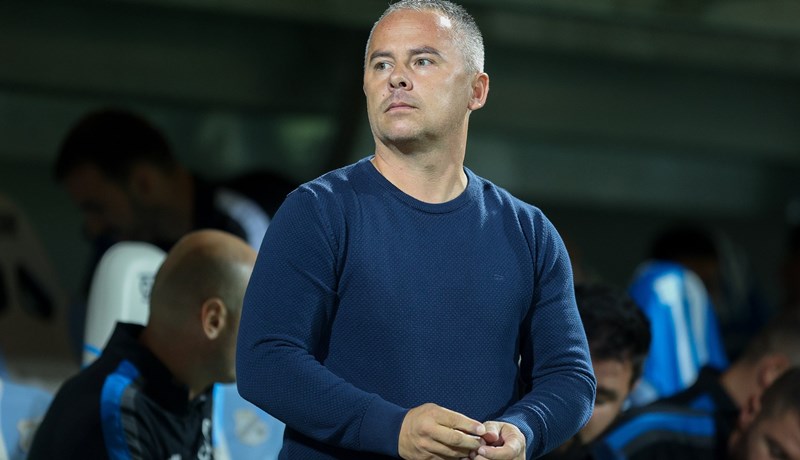
SuperSport HNL
Šafarić vrlo razočaran: 'Bez šanse su zabili golove, mislim da nije pobijedila bolja momčad'
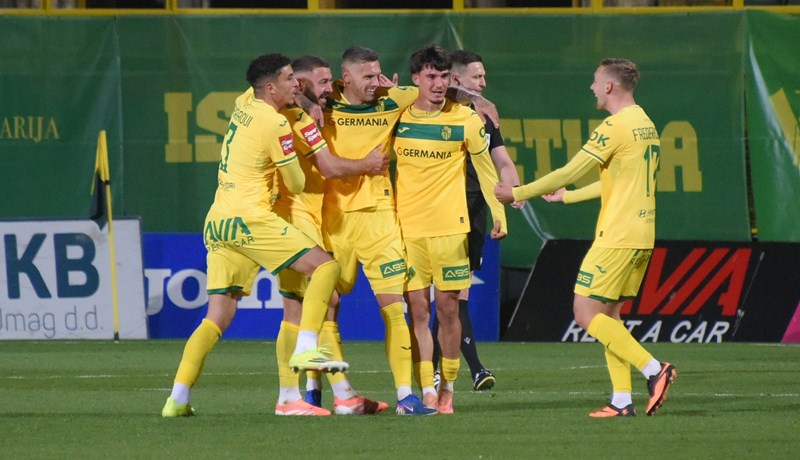
SuperSport HNL
Ahmeti: 'Vidjeli smo da nešto ne štima i da se svi moramo podići kao ekipa'
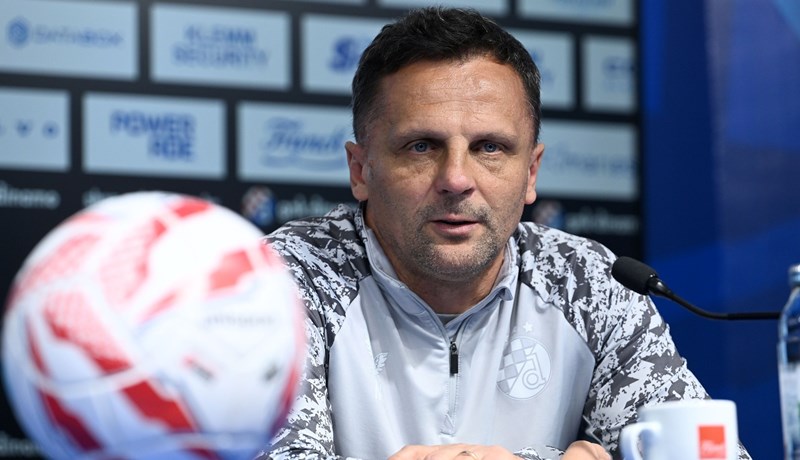
SuperSport HNL
Kovačević: 'Nogomet se igra 90 minuta, nekad uspijete slomiti suparnika na početku, nekad u drugom dijelu'

- Najnovije
- Najčitanije

Kovačević: 'Nogomet se igra 90 minuta, nekad uspijete slomiti suparnika na početku, nekad u drugom dijelu'
1 sat•SuperSport HNL
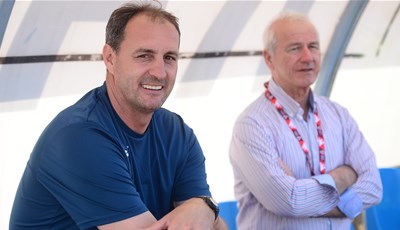
Promjena na klupi se isplatila, Labrović vodio Hrvace do pobjede u Karlovcu
1 sat•SuperSport Prva NL

Favoriti padali: Vrgorac šokirao Futsal Dinamo, Rijeka bez bodova u Dubrovniku
2 sata•SuperSport HMNL
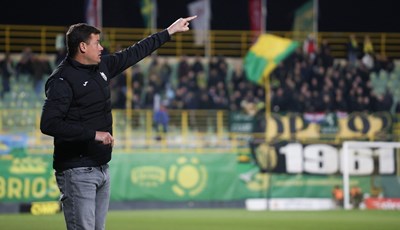
Riera: 'Drugi pogodak došao je uz puno sreće, ali na kraju moramo biti zadovoljni'
2 sata•SuperSport HNL

Ahmeti: 'Vidjeli smo da nešto ne štima i da se svi moramo podići kao ekipa'
3 sata•SuperSport HNL
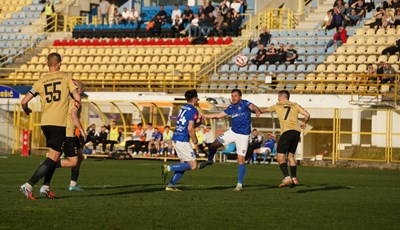
Kustošija se vratila pobjedama, crni niz Đakovčana se nastavlja
3 sata•SuperSport Druga NL
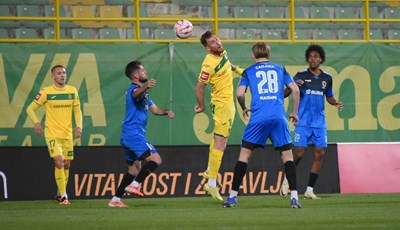
Sreća pomazila Istru, preokretom u drugom dijelu stigla do tri važna boda protiv Varaždina
10 sati•SuperSport HNL
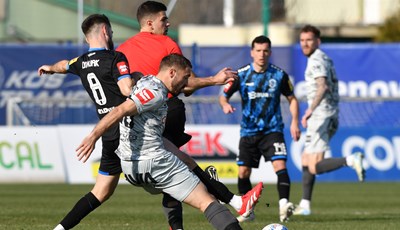
Kronologija: Istra na bizaran način do preokreta, rijetko viđenim pogotkom Radoševića!
13 sati•SuperSport HNL
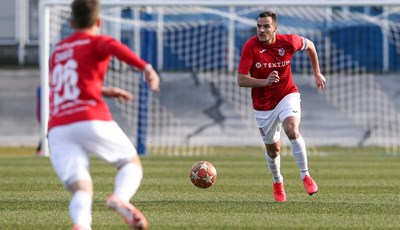
Kronologija: Sesvećani nastavili sjajan niz i upisali novu pobjedu
15 sati•SuperSport Prva NL

HRnogomet postaje dio Sportneta: Hrvatski nogomet pratit će se na još bolji, kvalitetniji i profesionalniji način
18 sati•SuperSport HNL

Toni Fruk je prerastao SuperSport HNL, na ljeto ga čeka transfer karijere
14 sati•SuperSport HNL
Sreća pomazila Istru, preokretom u drugom dijelu stigla do tri važna boda protiv Varaždina
10 sati•SuperSport HNL

Kada talent nije bio dovoljan: deset nadarenih nogometaša koji nisu ispunili očekivanja
16 sati•Nogometni svijet
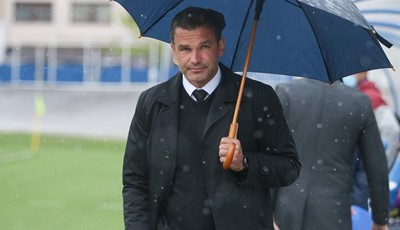
Stipić: 'Kada sve stavite na stol, zašto ne bi bilo moguće spasiti Vukovar?'
16 sati•SuperSport HNL
Riera: 'Drugi pogodak došao je uz puno sreće, ali na kraju moramo biti zadovoljni'
2 sata•SuperSport HNL