
Za poznavatelje argentinskog nogometa


rookie je napisao/la:
Kad ste već kod Argentinaca, jeste vidjeli gol Biloša u Copa
Libertadores... Frajer probo šatro petom, lijevo desno... Onda kad se
zapetljo, skužio da je najbolje jednostavno da je nabije u gol, pa
napravio takvu slavodobitnu grimasu ko da mu je ono prvo uspjelo
Bilos? Da je taj dobar, dobio bi po guzici prosle srijede u Bazelu, a ne igro za Bocu u Libertadoresu.
Ja cesto gledam argentinski nogomet i sto mene odusevljava tamo najvise su navijaci koji zive za te klubove. Na drugoj strani, osim 3-4 ekipe u prvoj ligi, ostalo je prosjek i izgleda ko da gledas neku tamo zhnj ligu tipa Peru ili Salvador.


Talijanski nogomet
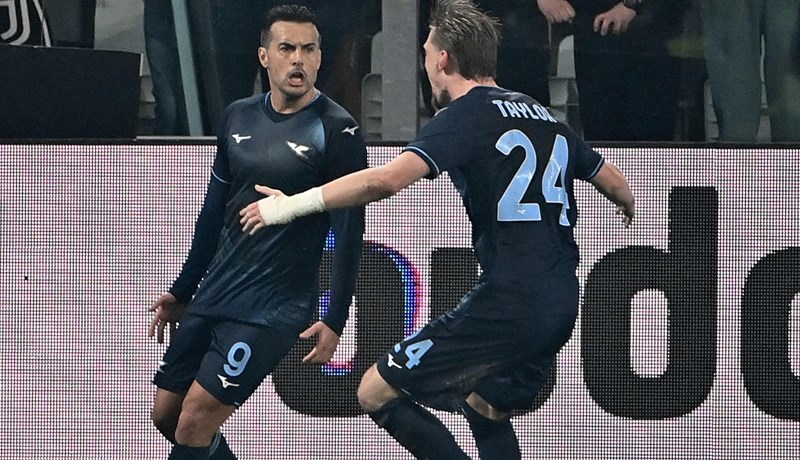
Lazio traži izlaz iz krize, a u goste mu dolazi Sassuolo koji je baš ušao u formu
Španjolski nogomet
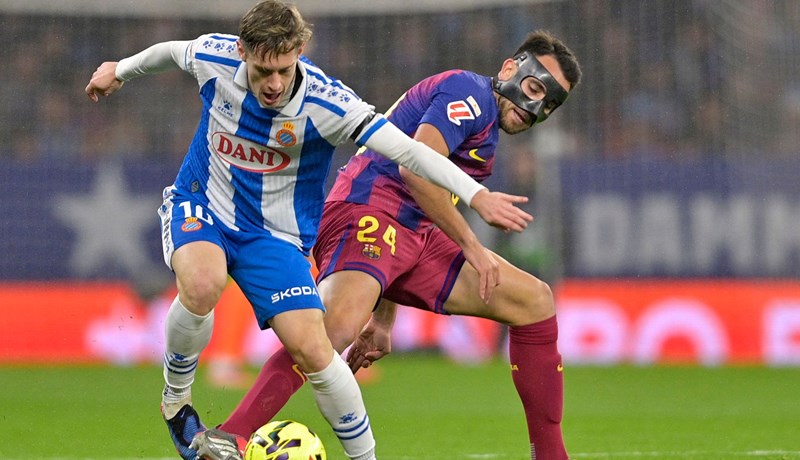
Espanyol lagano posustaje, posljednjeplasirani Oviedo prilika je za buđenje
Europske lige
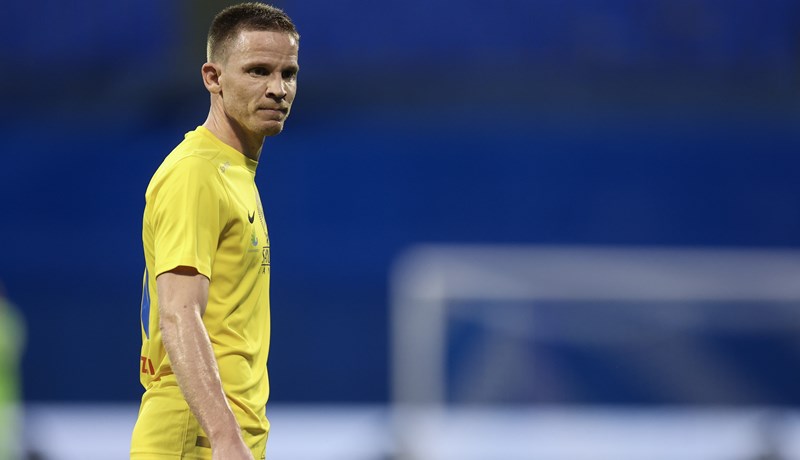
Krenulo kazahstansko prvenstvo, Hrvati zabijali za pobjedu Astane
Konferencijska liga
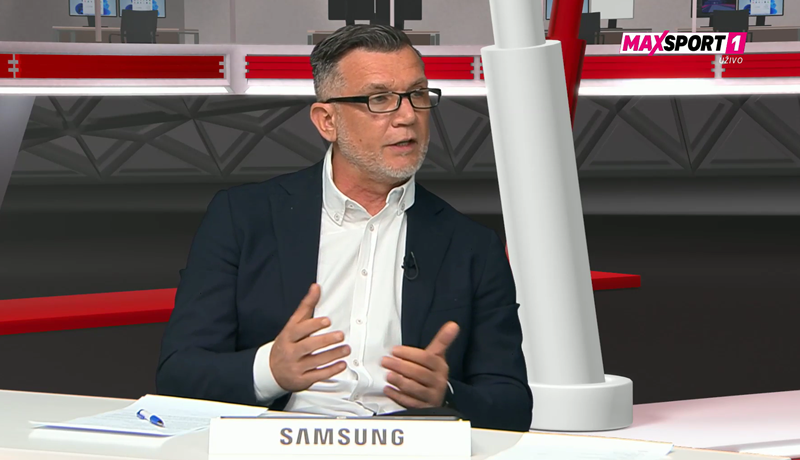
Zekić: 'Rijeka će morati biti na maksimumu protiv Strasbourga, ali bi mogla profitirati'
 ...
... Ja sam čitao u tjedniku da oni rade neki koeficijent uspiješnosti u posljednjih 5 sezona i onda prema tome gledaju tko ispada, uglavnom navodno zadnji ne ispada, čudne sheme, ni ja nisam sve skužio, to treba pitat Biloša kad dođe tu u posjet rodbini
Isto tako je i Brazilska liga, ne kužim na koju foru se dijele te lige..Ionako je 90% klubova iz Rio de Janeira i Sao Paula...I zaleti se neki iz Belo Horizonte
[uredio toster]
- Najnovije
- Najčitanije
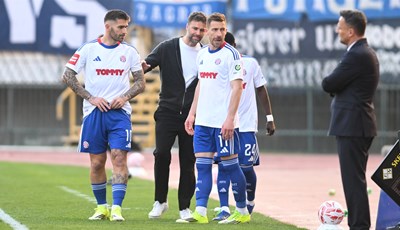
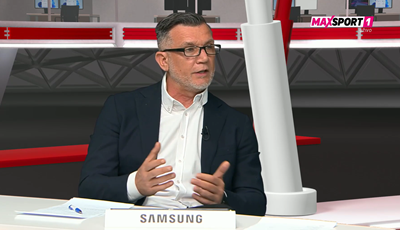
Zekić: 'Rijeka će morati biti na maksimumu protiv Strasbourga, ali bi mogla profitirati'
16 min•Konferencijska liga
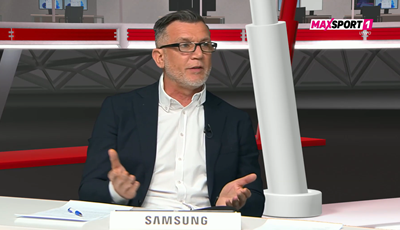
Zekić o kaznenom udarcu za Rijeku: 'Sve oko ovoga penala možemo elementirati tri dana'
1 sat•SuperSport HNL
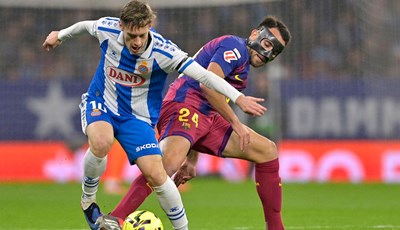
Espanyol lagano posustaje, posljednjeplasirani Oviedo prilika je za buđenje
2 sata•Španjolski nogomet
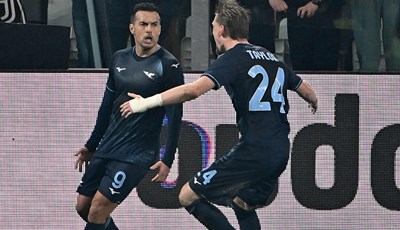
Lazio traži izlaz iz krize, a u goste mu dolazi Sassuolo koji je baš ušao u formu
2 sata•Talijanski nogomet
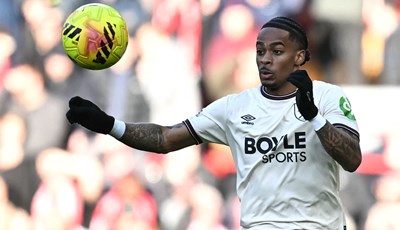
West Ham i Brentford bore se za posljednje mjesto u četvrtfinalu FA kupa
3 sata•Engleski nogomet
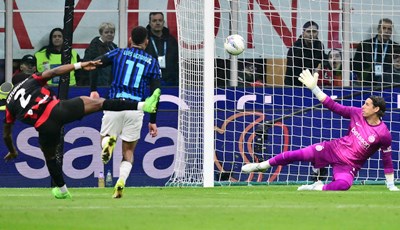
Euro-barometar: Heroji jedan Ekvadorac i dva mlada Vatrena, a od nekad Special Onea ostala je samo – sjena
3 sata•Talijanski nogomet

Milan pobjedom u gradskom derbiju zadržao priključak za prvim mjestom
13 sati•Talijanski nogomet
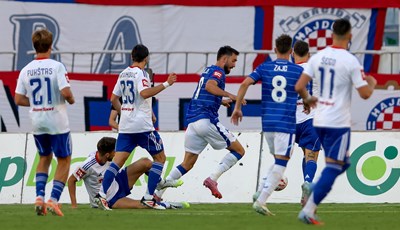
Kronologija: Dinamo sve riješio u prvom poluvremenu i upisao veliku pobjedu na Poljudu!
21 sat•SuperSport HNL
Kronologija: Karlovčani se probudili nakon primljenog gola i preokrenuli u Vinkovcima
1 dan•Prva NL
Garcia i Kovačević otkrili karte, poznati sastavi za 'utakmicu nad utakmicama'
22 sata•SuperSport HNL
Garcia: 'Ne možemo se uspoređivati s Dinamom. Tko to radi, prodaje maglu'
18 sati•SuperSport HNL

Karlovčani vrlo dobrim drugim poluvremenom do tri boda u Vinkovcima
22 sata•Prva NL
Šarlija: 'Problem sam ja i problem je 100 drugih ljudi'
16 sati•SuperSport HNL
Kronologija: Rijeka slavila golom iz kaznenog udarca početkom drugog poluvremena
19 sati•SuperSport HNL
Dinamo uzeo ono po što je i došao, Modri pobjegli na velikih plus deset
19 sati•SuperSport HNL