
Olimpijski košarkaški turnir


Ali je strava jak turnir. Uopce nisam razmisljao o samom turniru dok su trajale ove kvale.
Ono - sredis Nowitzkog - i onda te ceka Kiriljenko i ekipa. Strava! Bit ce zabave do zore - ili bolje receno - OD zore!
Treba rasplakat odmah Boguta jer nije bio vjeran samo Hrvatistanu!
Kaze Repesa da mozda necemo nijednu - ili eventualno jednu - pripremnu tekmu igrat prije Pekinga.
Ali ako Jasko kaze da ova momcad moze bit jos bolja - ja mu vjerujem.
Ono - sredis Nowitzkog - i onda te ceka Kiriljenko i ekipa. Strava! Bit ce zabave do zore - ili bolje receno - OD zore!
Treba rasplakat odmah Boguta jer nije bio vjeran samo Hrvatistanu!
Kaze Repesa da mozda necemo nijednu - ili eventualno jednu - pripremnu tekmu igrat prije Pekinga.
Ali ako Jasko kaze da ova momcad moze bit jos bolja - ja mu vjerujem.
Hrvatska košarka - Povratak u budućnost...
Nogomet
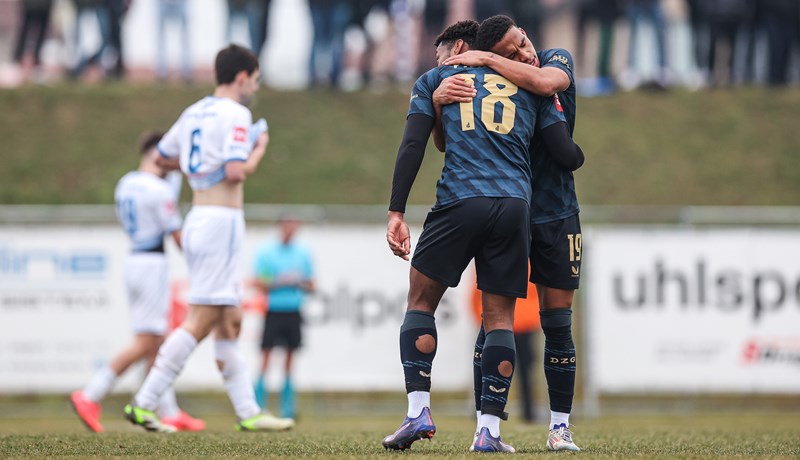
Đalović dobio pojačanje iz Dinama, Francuz transferom Maksimir zamijenio Turskom
Košarka
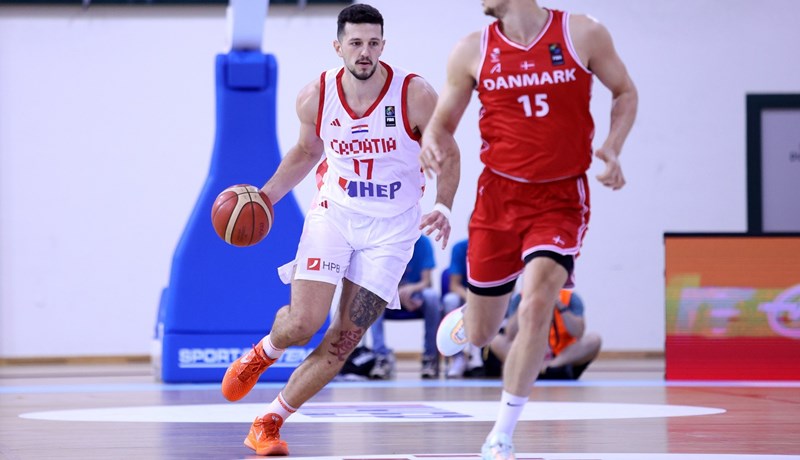
Savršen šuterski učinak Matkovića, Pelicansi posustali u završnici
Vodeni sportovi
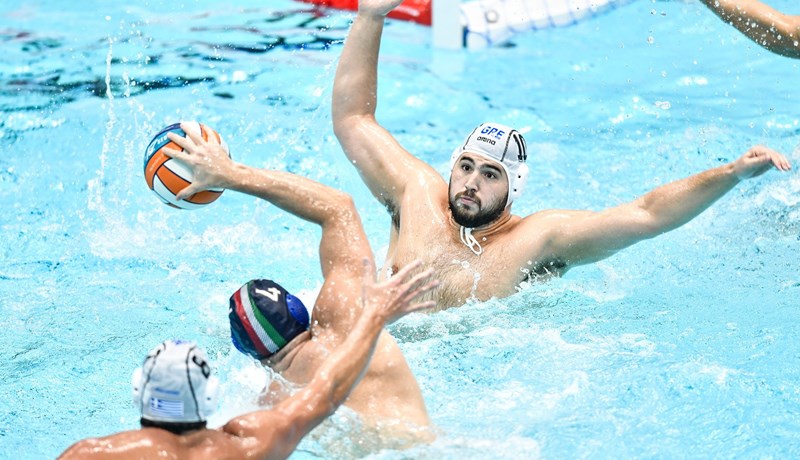
Grci uvjerljivom pobjedom otvorili nastup na Europskom prvenstvu
Rukomet
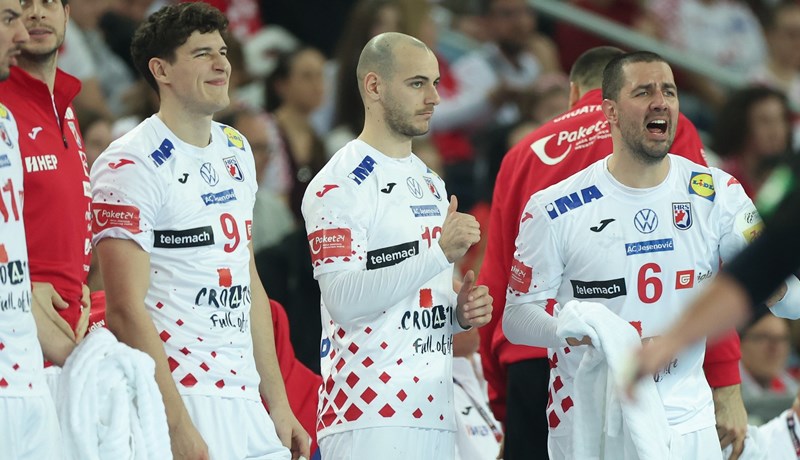
Hrvatski rukometaši poraženi u Hannoveru u generalnoj probi za Europsko prvenstvo
Vilenjak je napisao/la:
Dropshotski je napisao/la:
Treba rasplakat odmah Boguta jer nije bio vjeran samo Hrvatistanu!

Ja se salim - al znas da bi Bruno El Govno Kovacisrac odmah ugrabio priliku da denuncira Andrewa svojim patriotskim izlijevima.

No, da se vratimo temi. Sta kazete - tko tu prolazi - osim Hrvatske, naravno?
Hrvatska košarka - Povratak u budućnost...

- Najnovije
- Najčitanije
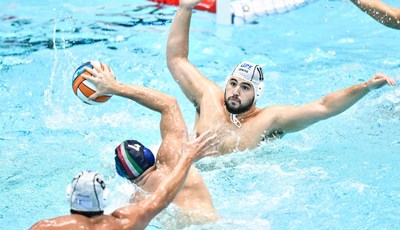
Grci uvjerljivom pobjedom otvorili nastup na Europskom prvenstvu
3 sata•Vodeni sportovi
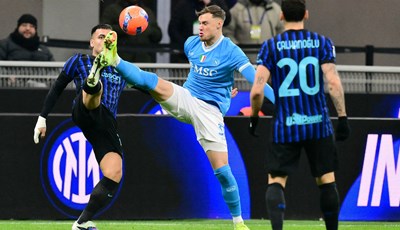
Scott McTominay smirio San Siro, Inter prvi put remizirao
4 sata•Nogomet

Kuzmanović: 'Na ovim teškim utakmicama je najbolje prepoznati gdje se možemo popraviti'
4 sata•Rukomet
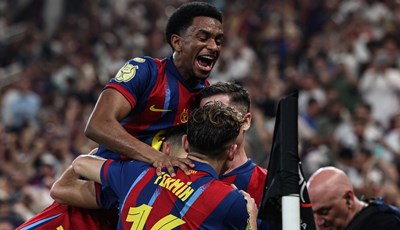
Čudesno finale: Barcelona u El Clasicu osvojila španjolski superkup
4 sata•Nogomet
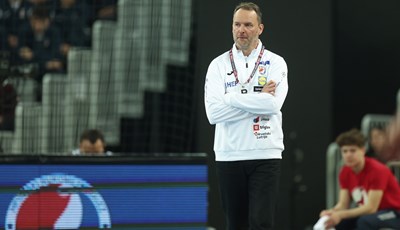
Sigurdsson: 'Zadovoljniji sam kako smo odigrali u Hannoveru nego u Zagrebu'
5 sati•Rukomet
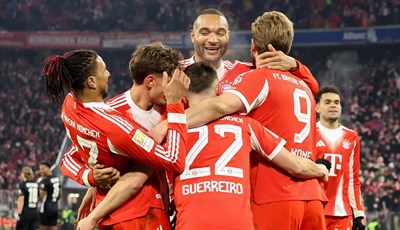
Majer asistirao, Stanišić se ozlijedio, a Bayern do vrha napunio mrežu Wolfsburga
6 sati•Nogomet
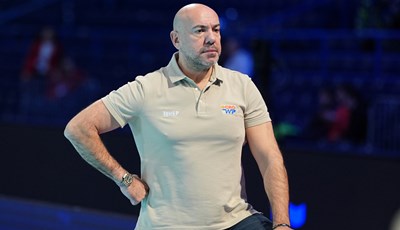
Tucak: 'Najvažnije je da smo odradili prvi dio posla'
6 sati•Vodeni sportovi
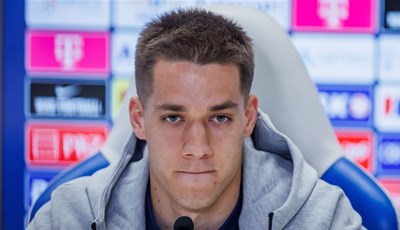
Trener Atalante: 'U našem zagrljaju bila je sva ljubav prema Pašaliću, zaslužio je to'
16 sati•Nogomet
Čudesno finale: Barcelona u El Clasicu osvojila španjolski superkup
4 sata•Nogomet
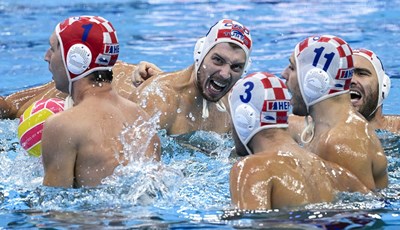
Hrvatska rutinski i uvjerljivo otvorila nastup na Europskom prvenstvu!
9 sati•Vodeni sportovi
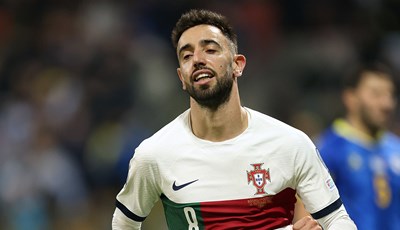
U kratkom predahu od Premier lige Manchester United na Old Traffordu igra treće kolo FA kupa
17 sati•Nogomet
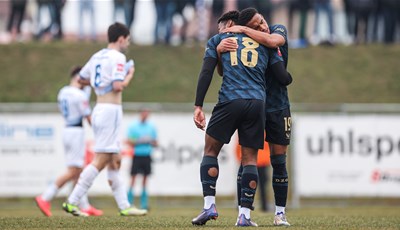
Đalović dobio pojačanje iz Dinama, Francuz transferom Maksimir zamijenio Turskom
6 sati•Nogomet
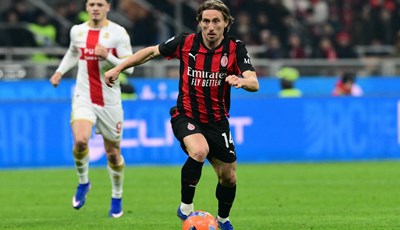
Modrićev Milan traži bodove za priključak Interu, a Pongračićeva Fiorentina bijeg iz crvene zone
19 sati•Nogomet
Jakirović na penale do šesnaestine finala FA kupa, kraj za Manchester United
8 sati•Nogomet
Veznjak raskinuo ugovor s Rijekom, sljedeća stanica je Varaždin
3 dana•Nogomet