
Crna Gora

džon vejn je napisao/la:
evo, samo da ispravim tradicionalno širokopojasnog znalca.....petar svačić nije bio kralj, tj, smatra se da je legenda priča da je on bio kralj.....posljednji hrvatski kralj je bio tomislav II....vladao je od 1941.-1945......vojvoda od oeste, namješten od fašističke vlade u rimu.....A dobro, možda se povijest promijenila u zadnjih 16-17 godina otkad sam ja to zadnji put učio. Mene su učili otprilike ovako (bit će da sam ipak pobrkao godine njegove smrti):
Petar Svačić
From Wikipedia, the free encyclopedia

Petar Svačić (died in 1097), was the last native king of Croatia (reigned 1093–1097).
[edit] Biography
He assumed the throne amid deep tension throughout the Kingdom. His predecessor, Stjepan II (1089–1091) died without leaving an heir, sparking a major political crisis. The crisis was compounded when it was revealed that Jelena, the widow of King Zvonimir (1074–1089), was plotting the annexation of Croatia by her brother, King Laszlo I of Hungary. The opportunistic Laszlo used his sister's marriage to Zvonimir as justification for his inheritance of the Croatian Crown.
Meanwhile, Croatia's leading dignitaries and clergy elected nobleman Petar Svacic as King, who immediately deployed the military to defend Croatia's borders from Hungarian attack. However it was too little, too late. Laszlo, who had probably devised a military strategy two years earlier, launched an offensive and managed to breach Croatian lines along the Drava River. The well-prepared Hungarians soon occupied the entire province of Slavonia but were halted by the Croats at Mount Gvozd (nears today's Karlovac).
Shortly after his army's success, Laszlo died (1095), leaving his younger brother Kalman to continue the campaign. Svacic's troops maintained their resistance repelling Hungarian assaults for nearly two years. Kalman grew frustrated at his army's impotence and in 1097 assembled an enormous force at the eastern foot of Mount Gvozd. The subsequent offensive was brutal and absolute, resulting in Petar Svacic's death. His heroism was commemorated in the renaming of Mount Gvozd to Petrova Gora (Peter's Mountain).
Five years of negotiations between Croatia's remaining noblemen and Kalman followed thereafter. Finally, in 1102, an historic settlement was reached (Pacta Conventa) by which the Croats agreed to recognise Kalman as King. In return, he promised to maintain Croatia as a separate kingdom, not to settle Croatia with Hungarians, to guarantee Croatia's self-governance under a ban (governor), and to respect all the rights, laws and privileges of the Croatian Kingdom.
He was elected king by Croatian feudal lords in 1093. Petar's seat of power was based in Knin. His rule was marked by a struggle for control of the country with Hungary. During his reign he was able to expel Prince Álmos from Slavonia, and unite Croatia to the river Drava.
His good fortunes turned when Hungarian King Ladislaus died and was succeeded by Coloman in 1095. Coloman soon sought the blessing of Pope Urban II, and led an army into Croatia in 1097. At the battle of Gvozd Mountain, Petar's army was defeated by Coloman. Petar himself fell in battle, leading to the mountain being called Petrova Gora (Petar's Mountain).
Although traditionally attributed the surname of Svačić, it was likely simply a mis-reading of his actual surname, Snačić. He was the last native king of Croatia, who was since that time in a personal union with Hungary.
Ovo mi se inače čini kao dva članka
 .
.E al sam ga smorio... ništa, od sada prepuštam ponovo ovaj topic ponosnom crnogorskom narodu (i narodnostima
), i upućujem službenu ispriku radi kratkotrajne okupacije ovog prostora. 
I am going to space, and when I come back I have to pick up poodle crap.

samo ti kažem ono što sam ja u školi učio, a to je da nije vjerojatno kako je on bio kralj....a juče pročito u knjizi iz povijesti da je hrvatskom vladao taj neki vojvoda od oste , ili tomislav II, kako mu je bilo nadjenuto, ali ne realizirano ime....naravno, ti to nisi smio učit u školi...tolerirat ću
džon vejn je napisao/la:
ivan vk je napisao/la:
Hrvatske je 1102. u±la personalnu
unuju s Ugarskom tj. bila je povezana s Ugarskom samo s osobom
zajedničkog vladara a kasnije su te dvije kraljevine u±le u realnu
uniju s Austrijom.
U Biogradu na moru,Pacto Convento
Jesam u pravu,tacnije jeli google u pravu


delfin je napisao/la:
http://www.funny-games.biz/pussy-or-meat.html
ajmo mesozderi da vidimo kako poznajete kvalitet mesa
Ma lako ovo....


delfin je napisao/la:
sekesferhvar pitaj grobare dje je to sjetice se jedno 5 puta za 90 minuta
pivolovac izgubio si kredibilitet oko istorije.
bogami gusta tekma.
ajmooooooo mraviiiiiiiiiiiiii
nisam ja jos zavrsio na ovoj temi. Ajkula navijas protiv Buducnosti?
Boli li tebe glava uveche, mene prskava....
- Najnovije
- Najčitanije
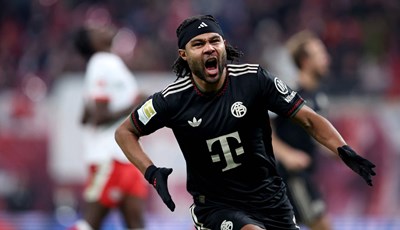
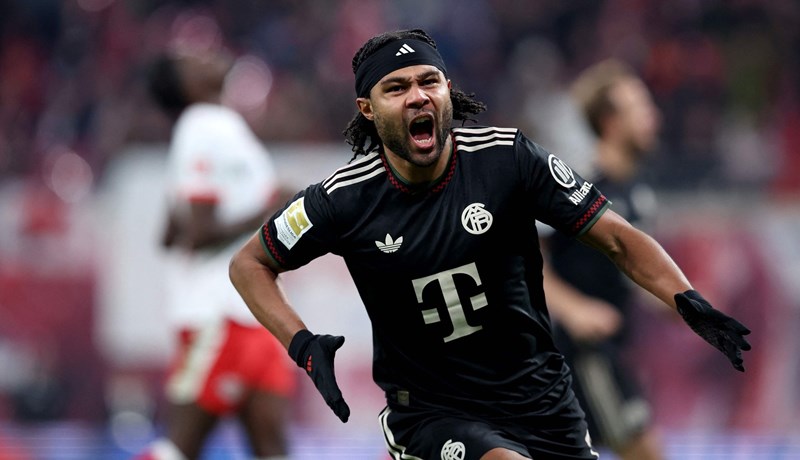
Bayern potvrdio ostanak jake napadačke karike: 'Osvojio je sve, ali i dalje želi još'
56 min•Nogomet
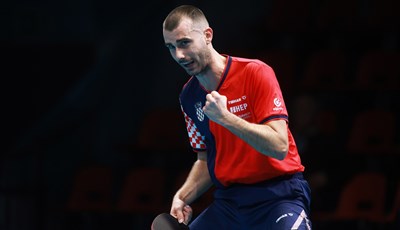
Sjajan dan za Pucara, sredio Rumunja i ušao u glavni turnir europskog Top 16
1 sat•Ostali sportovi
FIFA: Rekordan broj transfera u zimskom prijelaznom roku
2 sata•Nogomet
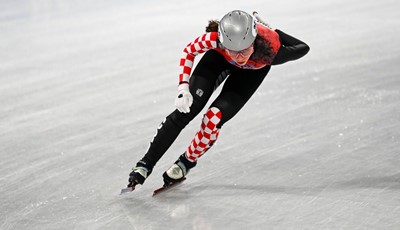
Aščić: 'Jako sam uzbuđena i ponosna, jedva čekam otvaranje'
2 sata•Ostali sportovi
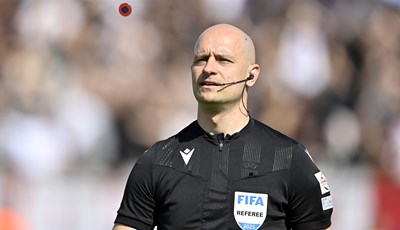
Bel sudi derbi kola, Kolariću dvoboj na Poljudu
3 sata•Nogomet
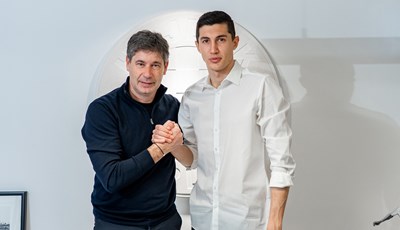
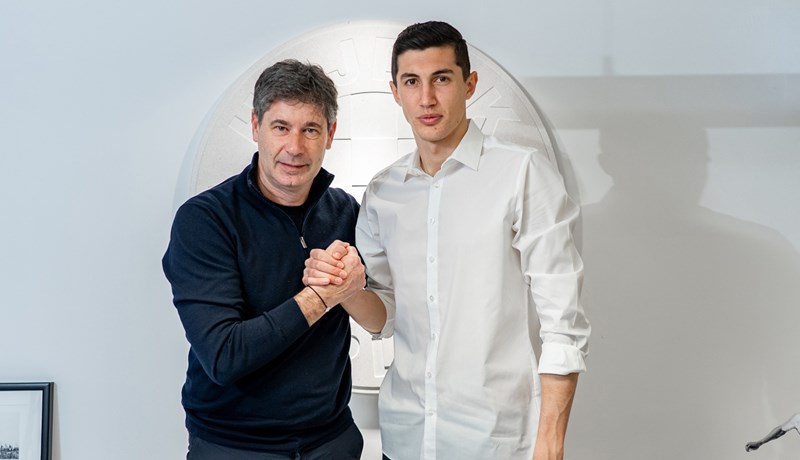
Toni Silić produžio ugovor s Hajdukom
3 sata•Nogomet
Odgođena utakmica Finske i Kanade, virus desetkovao Finkinje
4 sata•Zimski sportovi
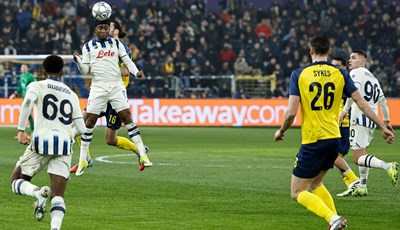
Atalanta i Juventus u borbi za polufinale talijanskog kupa
7 sati•Nogomet
Bel sudi derbi kola, Kolariću dvoboj na Poljudu
3 sata•Nogomet
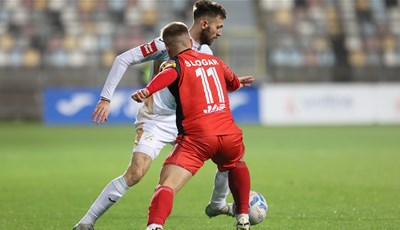
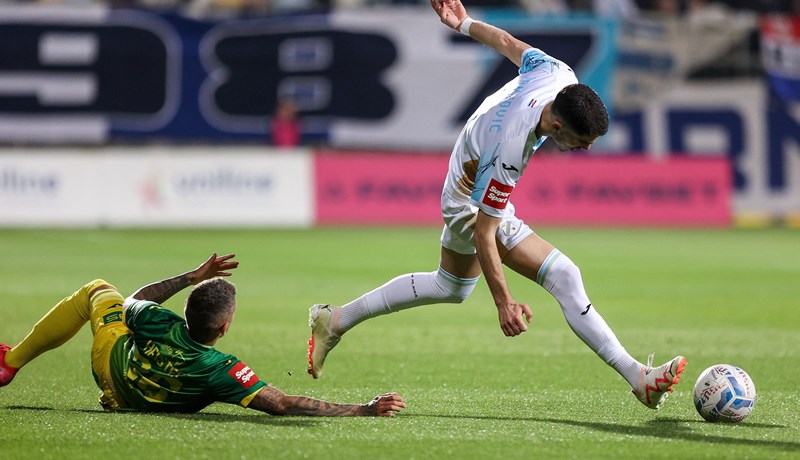
Gorica pronašla novo pojačanje u Rijeci, potpisao iskusni prvoligaški igrač
9 sati•Nogomet
Bayern potvrdio ostanak jake napadačke karike: 'Osvojio je sve, ali i dalje želi još'
56 min•Nogomet
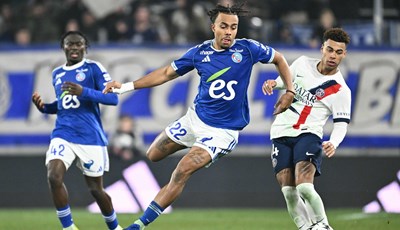
Traži se posljednji sudionik četvrtfinala Francuskog kupa, Strasbourg i Monaco za plasman među osam
7 sati•Nogomet
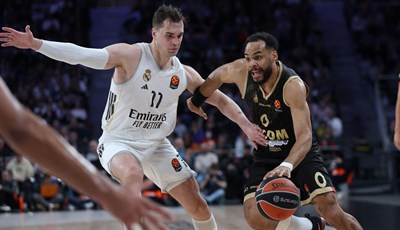
Hezonja gostuje kod Golemca i Muse te želi izbjeći treći poraz u nizu
10 sati•Košarka
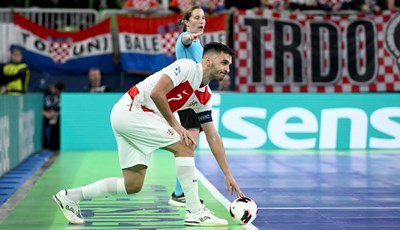
Hrvatska do posljednjih sekundi držala snažnu Španjolsku u neizvjesnosti, ali ide u borbu za broncu
1 dan•Nogomet
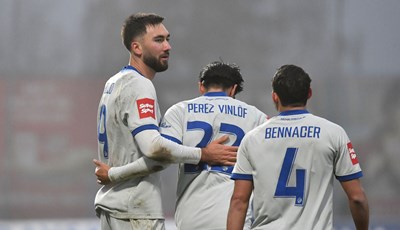
Dinamo prijavio dodatne igrače za Europsku ligu, na njemu i nova, ali očekivana imena
6 sati•Nogomet