
Dead Poets Kavana



Evo da vas još malo zadavim s beat generacijom i bitništvom...
Beatnik
From Wikipedia, the free encyclopedia
-
For other uses, see Beatnik (disambiguation).

The term beatnik was coined by Herb Caen in an article in the San Francisco Chronicle on April 2, 1958. [1] Caen coined the term by modifying the earlier term Beat Generation with the addition of the Russian suffix -nik after Sputnik I. Caen's column with the word came six months after the launch of Sputnik.
It may have been Caen's intent to portray the members of the Beat Generation as un-American. However, Jack Kerouac's earlier usage made associations of the Beat Generation with saintliness, the religious connotations of "beatitude" and the use of "beat" and "downbeat" in music.
In the vernacular of the period, "beat" indicated the culture, the attitude and the literature, while the common usage of "beatnik" was that of a stereotype found in lightweight cartoon drawings and twisted, sometimes violent, media characters. This distinction was clarified by Boston University professor Ray Carney, a leading authority on beat culture, in "The Beat Movement in Film," his notes for a 1995 Whitney Museum exhibition and screening:
- Much of Beat culture represented a negative stance rather than a positive one. It was animated more by a vague feeling of cultural and emotional displacement, dissatisfaction, and yearning, than by a specific purpose or program.
- It would be a lot easier if we were only looking for movies with "beatniks" in them. San Francisco columnist Herb Caen coined the word (which by sarcastically punning on the recently launched Russian Sputnik was apparently intended to cast doubt on the beatnik's red-white-and-blue-blooded all-Americanness). And the mass media popularized the concept. Dobie Gillis, Life magazine, Charles Kuralt, and a host of other entertainers and journalists reduced Beatness to a set of superficial, silly externals that have stayed with us ever since: goatees, sunglasses, poetry readings, coffeehouses, slouches, and "cool, man, cool" jargon. The only problem is that there never were any beatniks in this sense (except, perhaps, for the media-influenced imitators who came along late in the history of the movement). Beat culture was a state of mind, not a matter of how you dressed or talked or where you lived. In fact, Beat culture was far from monolithic. It was many different, conflicting, shifting states of mind.
- The films and videos that have been selected for the screening list are an attempt to move beyond the cultural cliches and slogans, to look past the Central Casting costumes, props, and jargon that the mass media equated with Beatness, in order to do justice to its spirit. [2]
Since 1958, the terms Beat Generation and beat have been used to describe the anti-materialistic literary movement that began with Kerouac in 1948, stretching on into the 1960s. Many historians have asserted that the beat philosophy of anti-materialism, combined with its fundamental soul-searching ethos, may have influenced some of the lyrics of popular 1960s musicians such as Bob Dylan, the early Pink Floyd, and The Beatles, and was the precursor of the hippie generation.
At the time that the terms were coined, there was a trend amongst young college students and struggling writers to emulate writers such as Kerouac and John Clellon Holmes, and this sometimes extended into physical appearance, with men wearing goatees and berets, rolling their own cigarettes, and playing bongos. Fashions for women included black leotards and wearing their hair long, straight and unadorned in a rebellion against middle-class standards which expected women to get permanent treatments for their hair. Marijuana use (or 'tea-smoking') was also associated with the subculture. During the 1950s, Aldous Huxley's popular The Doors of Perception further influenced views on drugs.
The beat philosophy was generally counter-cultural, anti-materialistic and stressed the importance of bettering one's inner self over and above material possessions. While Caen and other writers implied a connection with communism, there was no direct connection between the beat philosophy (as expressed by the leading authors of this literary movement) and the philosophy of the communist movement, other than the antipathy that both philosophies shared towards capitalism. This connection is questionable because of the distinctly spiritual element of the beat philosophy, as contrasted with the anti-spiritual views in Marxist philosophy. Some beat writers began to delve into Eastern religions such as Buddhism or Taoism. Politics tended to be liberal; with support for causes such as desegregation. An openness to African-American culture and arts was apparent in literature and music, notably jazz.
The character Maynard G. Krebs, played on TV by Bob Denver in the Dobie Gillis (1959-63)l, solidified the beatnik stereotype, in contrast to the rebellious, beat-related images presented by popular film actors of the early and mid-1950s, notably Marlon Brando and James Dean. A sensationalist Hollywood interpretation of the subculture can be seen in the 1959 film The Beat Generation, as well as The Subterraneans (1960), based on Kerouac's novel. Stanley Donen's Funny Face (1957) musicalized the movement.
The Beat Museum in San Francisco's North Beach is a repository for the history of the movement.

znaš što dida,sad si prevršio svaku mjeru

lani sam upoznao Katičinu (bivšu) nevjestu S.I. i postavio joj-ISTO PITANJE!?
dakle kako jedna Katica može u isti život utrpati Keroauca,Salingera,Krivoustog i Antu Belju.Hebo me pas,meni to nije bilo jasno od trenutka kad sam jednom naletio na njen uradak u beatnicima,...
što je previše,previše je
Inače,Katičin sin D.I.jedan je jako dobar i vrijedan dečko,išli smo zajedno u Gimnaziju...
Because of a few songs wherein I spoke of their mystery-women have been exceptionally kind to my old age
bojangles je napisao/la:
znaš što dida,sad si prevršio svaku mjeru
lani sam upoznao Katičinu (bivšu) nevjestu S.I. i postavio joj-ISTO PITANJE!?
dakle kako jedna Katica može u isti život utrpati Keroauca,Salingera,Krivoustog i Antu Belju.Hebo me pas,meni to nije bilo jasno od trenutka kad sam jednom naletio na njen uradak u beatnicima,...
što je previše,previše je
Inače,Katičin sin D.I.jedan je jako dobar i vrijedan dečko,išli smo zajedno u Gimnaziju...
Pa šta ti reče nevista?


Nogomet
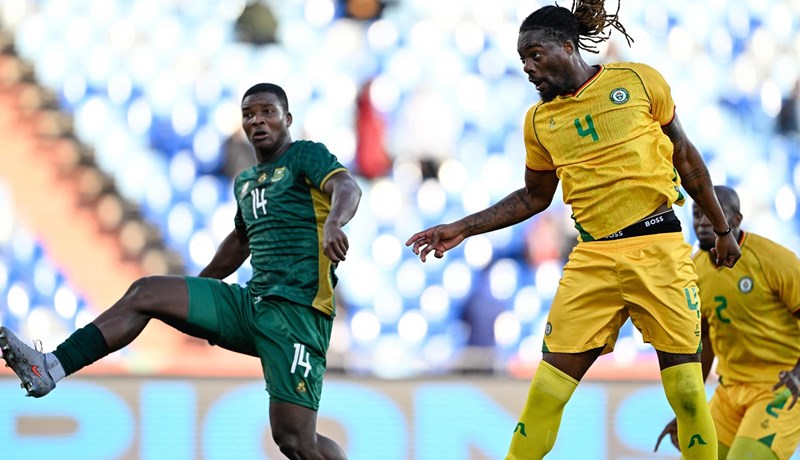
Egipat potvrdio prvo mjesto, Južna Afrika izborila osminu finala Afričkog kupa nacija

Nogomet
Marokanci uvjerljivom pobjedom osigurali prvo mjesto u skupini Afričkog kupa nacija
Nogomet
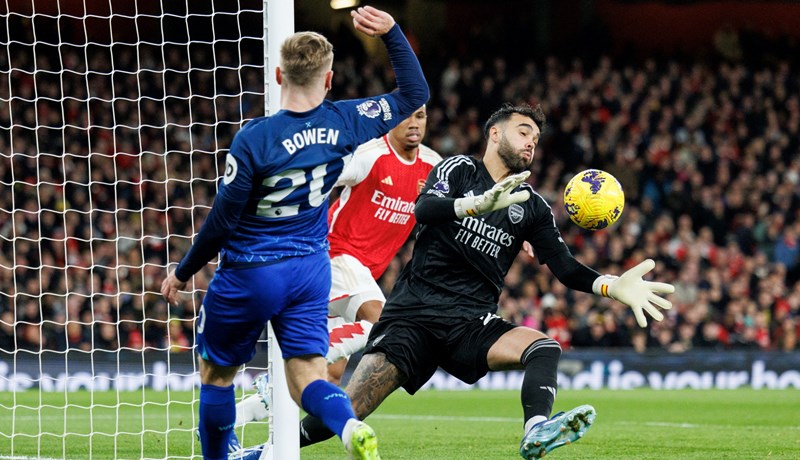
Euro-barometar: Arsenalov korak na putu do Raya, Vanolijevoj agoniji nema kraja

Nogomet
Fabrizio Romano saznaje: Klub iz Premier lige zainteresiran za Niku Sigura

- Najnovije
- Najčitanije


Marokanci uvjerljivom pobjedom osigurali prvo mjesto u skupini Afričkog kupa nacija
1 sat•Nogomet

Poznati finalisti Kutije šibica, Juicy se vratio šest sekundi prije kraja pa ispao u raspucavanju
1 sat•Nogomet
Hrvatski vaterpolisti odličnim drugim poluvremenom svladali Mađarsku
2 sata•Vodeni sportovi
Oslabljeni Zadar propustio priliku za pobjedu u Subotici
3 sata•Košarka
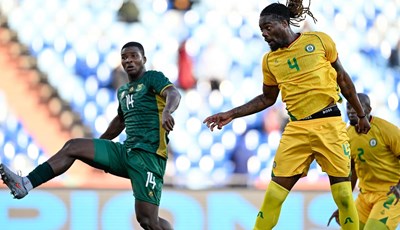
Egipat potvrdio prvo mjesto, Južna Afrika izborila osminu finala Afričkog kupa nacija
4 sata•Nogomet
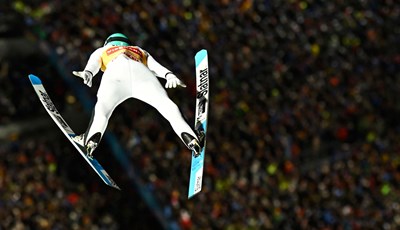
Sjajni Domen Prevc izdominirao u Oberstdorfu i odmah stvorio veliku razliku u ukupnom poretku
4 sata•Zimski sportovi
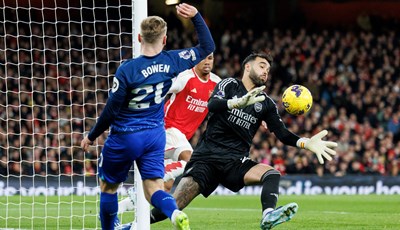
Euro-barometar: Arsenalov korak na putu do Raya, Vanolijevoj agoniji nema kraja
5 sati•Nogomet
Pobjednici SuperSport SuperLige preuzeli su nove Audi automobile
8 sati•Nogomet
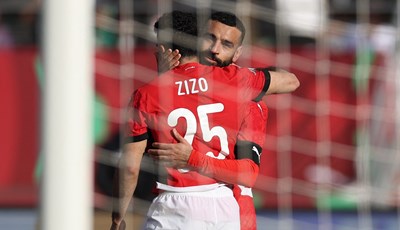
Egipat je već izborio osminu finala, ali i danas ide po novu pobjedu
17 sati•Nogomet
Gonzaleza žele Rijeka i Hajduk, ali on preferira odlazak u redove susjednog kluba?
7 sati•Nogomet

Roma traži pobjedu protiv momčadi koja se bori za ostanak
12 sati•Nogomet
Osam skokova za Zlatnog orla – 'svetog Grala' skijaških skokova: evo tko su favoriti Četiri skakaonice
1 dan•Zimski sportovi
Sjajni Domen Prevc izdominirao u Oberstdorfu i odmah stvorio veliku razliku u ukupnom poretku
4 sata•Zimski sportovi

Dinamo jako blizu dovođenja brazilskog napadača iz japanske lige, Kulenovićeva budućnost upitna
9 sati•Nogomet
Dramatičan dan na Kutiji šibica, odluke o polufinalistima padale u posljednjim trenucima
23 sata•Nogomet