
Događaji u svijetu




markoli je napisao/la:
A Izrael je najčešće širio teritorij nakon što su ga susjedi napali.

Prvi korak: izmisliš 'false flag' napad
Drugi korak: kreneš u invaziju pod sloganom 'oni su nas prije napali'
Golan Heights je Sirijski teritorij recimo koji su židovi osvojili vojskom i aneksirali, slično kao Krimea samo što je tamo bio neki referendum.
"Smoke me a kipper, I'll be back for breakfast!" 🎸⚽🏀🎨

ARIZIN je napisao/la:
SAD nakon pola stoljeća pa na više deklasificira tajne dokumente, i na nedavno objavljenima se može vidjeti kako je CIA svrgavala legalne vlade Egipta, Irana itd. Coup d'etat 1953-e Usa ali i Englezi, ta cijela operacija je bila zbog Engleza brijem. Tada su svrgnuli demokratski izabranog predsjednika Mosaddegha koji se htio riješiti britanske kompanije koja je 'crpila' Iransku naftu i htio je iskoristiti tu naftu da pomogne svojim Irancima, kao Gadafi, i nije htio dijeliti sa Englezima, nedopustivo

The 1953 Iranian coup d'état, known in Iran as the 28 Mordad coup d'état (Persian: ?????? ?? ??????), was the overthrow of the democratically elected Prime Minister Mohammad Mosaddegh in favour of strengthening the monarchical rule of Mohammad Reza Pahlavi on 19 August 1953, orchestrated by the United Kingdom (under the name "Operation Boot") and the United States (under the name TPAJAX Project[5] or "Operation Ajax").[6][7][8][9]
Mossadegh had sought to audit the documents of the Anglo-Iranian Oil Company (AIOC), a British corporation (now part of BP) and to limit the company's control over Iranian oil reserves. Upon the refusal of the AIOC to co-operate with the Iranian government, the parliament (Majlis) voted to nationalize Iran's oil industry and to expel foreign corporate representatives from the country.[10][11][12] After this vote, Britain instigated a worldwide boycott of Iranian oil to pressure Iran economically.[13] Initially, Britain mobilized its military to seize control of the British-built Abadan oil refinery, then the world's largest, but Prime Minister Clement Attlee opted instead to tighten the economic boycott[14] while using Iranian agents to undermine Mosaddegh's government.[15] Winston Churchill and the Eisenhower administration decided to overthrow Iran's government, though the predecessor Truman administration had opposed a coup, fearing the precedent that Central Intelligence Agency (CIA) involvement would set.[16] Classified documents show that British intelligence officials played a pivotal role in initiating and planning the coup, and that the AIOC contributed $25,000 towards the expense of bribing officials.[17] In August 2013, 60 years afterward, the American CIA admitted that it was in charge of both the planning and the execution of the coup, including the bribing of Iranian politicians, security and army high-ranking officials, as well as pro-coup propaganda.[18][19] The CIA is quoted acknowledging the coup was carried out "under CIA direction" and "as an act of U.S. foreign policy, conceived and approved at the highest levels of government".
"Smoke me a kipper, I'll be back for breakfast!" 🎸⚽🏀🎨
Tizzou je napisao/la:
Međutim, na republikanskoj strani potporu za Izrael ne lobiraju Židovi već evanđelikalci, tj takozvani "Born again" kršćani. To su krajnje konzervativni do fanatični protestanti koji vjeruju apsolutno u svaku riječ Biblije, pa tako i u to da je Bog izabrao Izraelski narod da vlada obećanom zemljom i amen. Njih ima jako puno (pojedinačno su najbrojnija religijska skipina u SAD. Njih ima 28%, katolika cca 25% i "obicnih"mainline protestanata 15ak%) i ključni su republikanski glasači, tako da ne može ni republikanac biti izabran bez njihove podrške. Nemojte se zavaravati, bez tih kršćanskih cionista (tako se sami nazivaju) potpora Amerike Izraelu ne bi bila ni upola takva kakva je. Sami Židovi imaju političku moć u SAD ali ne toliku.

 napasti Izrael drugim riječima apokalipsa ili end of days.
Ti isti pacijetni doniraju velike novce Izraelu i lobiraju svoje političare da podržavaju Izrael inače metla.
jbga demokracija je zakurac ako imaš punu zemlju retardiranih kao amerika, a i mi nismo daleko.
"Smoke me a kipper, I'll be back for breakfast!" 🎸⚽🏀🎨
Rukomet
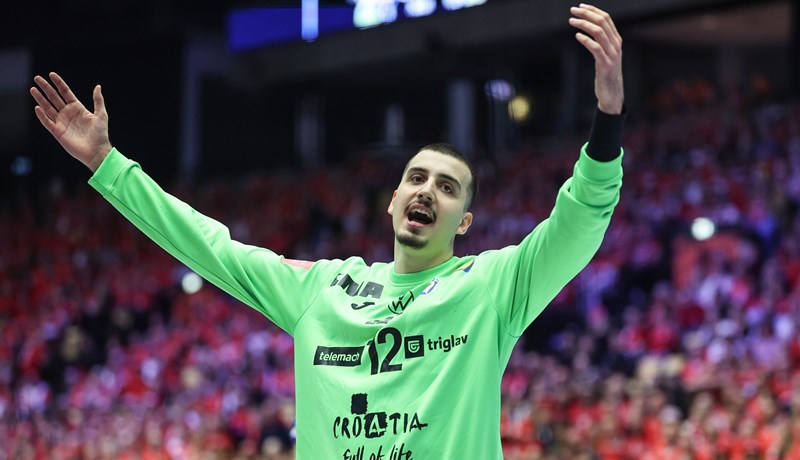
Hrvatski rukometaši u prvom potu u ždrijebu skupina Svjetskog prvenstva 2027. godine
Ostali sportovi
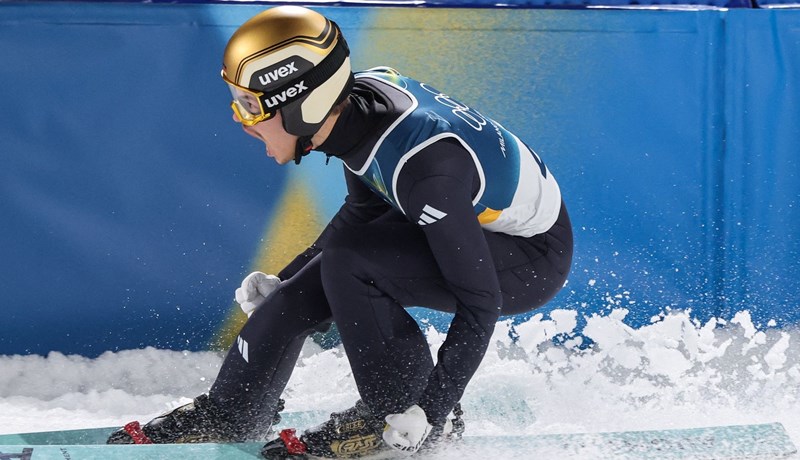
Slovenci ostali bez medalje na koju su računali, Prevc podbacio i ostao bez odličja na maloj skakaonici
Ostali sportovi
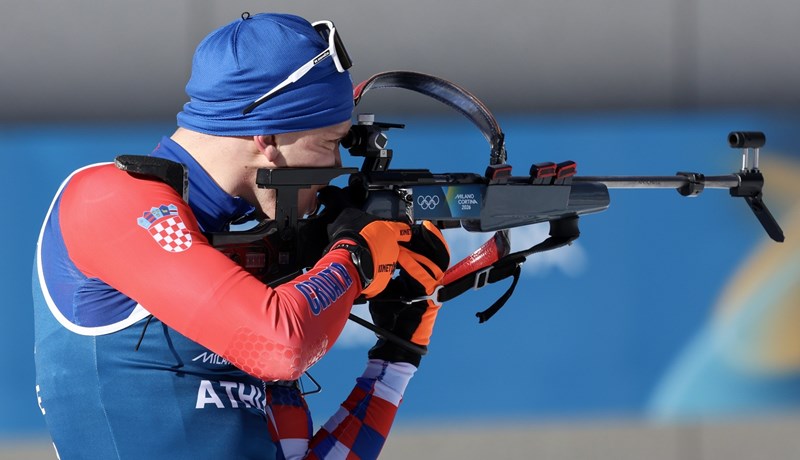
Prvi nastupi Hrvata na ZOI 2026. - troje u skijaškom trčanju, dvojica u biatlonu i jedna u brzom klizanju
Vodeni sportovi
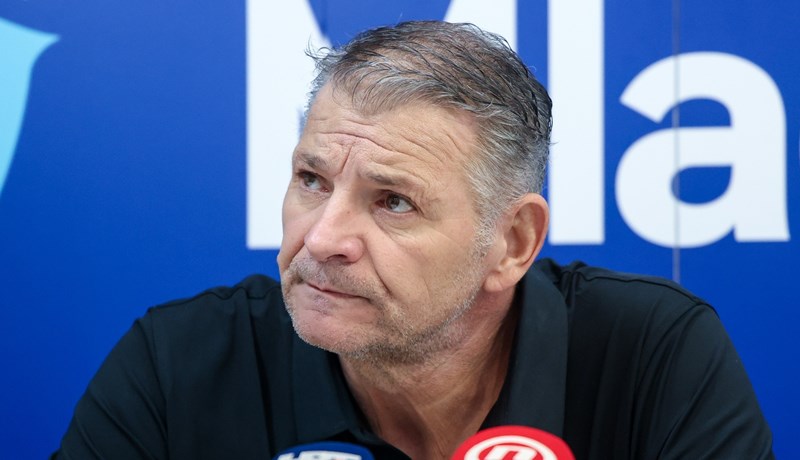
Dan D za Mladost, Vasas mora pasti, a onda... 'Radničkom je dosta pobjeda, pa da s Grcima prođe dalje'

madmax17 je napisao/la:
markoli je napisao/la:
A Izrael je najčešće širio teritorij nakon što su ga susjedi napali.
Prvi korak: izmisliš 'false flag' napad
Drugi korak: kreneš u invaziju pod sloganom 'oni su nas prije napali'
Golan Heights je Sirijski teritorij recimo koji su židovi osvojili vojskom i aneksirali, slično kao Krimea samo što je tamo bio neki referendum.
Bilo je i toga, ali recimo odmah 1948. (kada su Arapi napali Izrael nakon proglašenja nezavisnosti) su osvojili najveći dio sadašnjeg teritorija u odnosu na prve granice.
"A winner is someone who recognizes his God-given talents, works his tail off to develop them into skills, and uses these skills to accomplish his goals." - Larry Bird

allen je napisao/la:
db je napisao/la:
Mihalj je napisao/la:
Jedina razlika je da ta vojna hunta nije na vlasti u Argentini trenutno a Palestince i dalje ubijaju kao pse u Gazi.
u pojasu gaze živi manje od 2 milijuna ljude, ako ih izraelci "ubijaju kao pse", i to već godinama, sa svom vojnom moći koju posjeduju, kako uopće itko živi u pojasu gaze?
nema tu pravih ili krivih, al ako baš moram izabrati stranu - definitivno izrael!
ako ti netko dođe u TVOJU zemlju...i otkida komad po komad TVOJE zemlje godinama i na kraju ju gotovo cijelu otme i masakrira tvoj narod,kako mozes biti uz tu zemlju?
slično što su srbi pokušali 1991 napraviti vamo kad su nam oduzimali teritorij i radili strašan genocid...
mene povijest ne zanima pretjerano, teritoriji su kroz povijest mijenjali "vlasništvo" i puno država je nastalo osvajanjem i krvlju. mislim, ne zanima me povijest, prestao sam gledati povijesne ishode kao dobre i loše (što ne znači da ne postoje oba slučaja). dogodio se što se dogodilo, ne može se promjeniti.
srbi su pokušali i nis uspjeli, kog b....i ona stvar za njih, ovi su uspjeli.
prema današnjoj državi izrael imam simpatije, jer je to civilizacija na entu potenciju u odnosu na okolinu.
[uredio db - 09. lipnja 2018. u 19:20]
- Najnovije
- Najčitanije
ProSport: Napadač Osijeka na meti FCSB-a, Arnel Jakupović napokon bi mogao u Rumunjsku
2 sata•Nogomet
Poznata nova Nevistićeva destinacija, u svlačionici ga čekaju poznata lica, dva bivša igrača Dinama
2 sata•Nogomet
Zvijezda dana Cortine i Milana: Uzbekistanski Michael Jordan u nemogućoj misiji - peterostruki axel
4 sata•Ostali sportovi
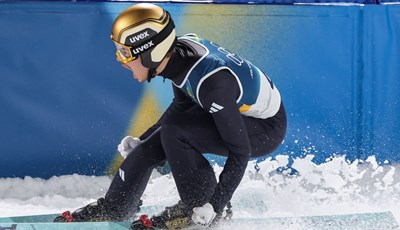
Slovenci ostali bez medalje na koju su računali, Prevc podbacio i ostao bez odličja na maloj skakaonici
5 sati•Ostali sportovi
Dan D za Mladost, Vasas mora pasti, a onda... 'Radničkom je dosta pobjeda, pa da s Grcima prođe dalje'
5 sati•Vodeni sportovi
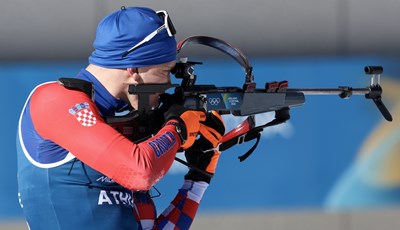
Prvi nastupi Hrvata na ZOI 2026. - troje u skijaškom trčanju, dvojica u biatlonu i jedna u brzom klizanju
5 sati•Ostali sportovi
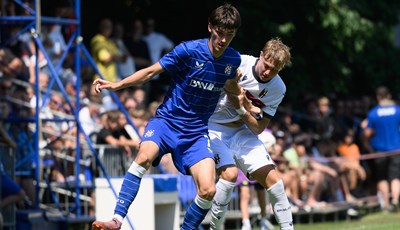
Juniori Dinama u kupu bolji od Lokomotive, igrači s klupe donijeli preokret Modrima
6 sati•Nogomet
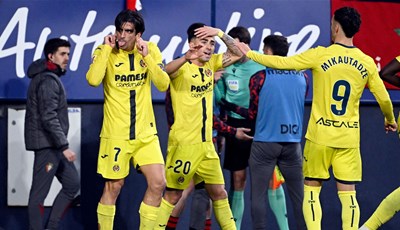
Villarreal i Espanyol su u velikoj krizi, izlazak iz iste tražit će večeras na Ceramici
18 sati•Nogomet
Poznata nova Nevistićeva destinacija, u svlačionici ga čekaju poznata lica, dva bivša igrača Dinama
2 sata•Nogomet
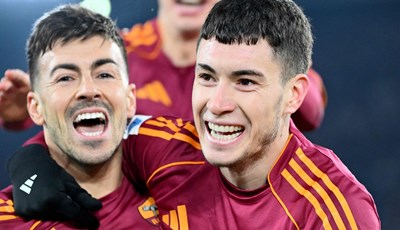
Roma želi uzvratiti momčadi koja je na nizu od tri prvenstvene pobjede
16 sati•Nogomet
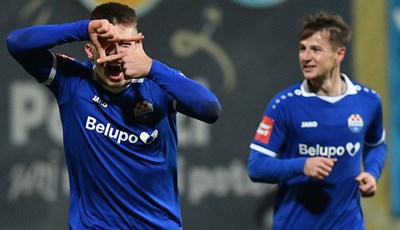
Panathinaikosu pobjeda u velikom derbiju protiv Olympiakosa, Jagušić sve pratio s klupe
22 sata•Nogomet
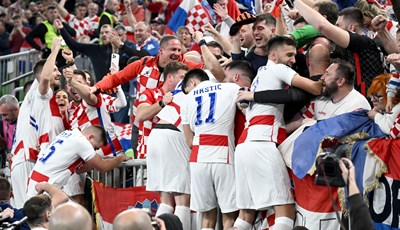
Hrvatska je brončana na Europskom prvenstvu!!!!!!
2 dana•Nogomet
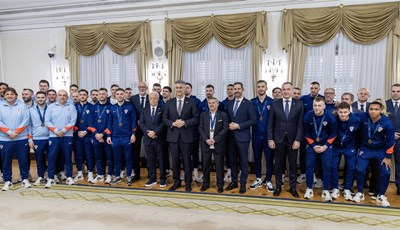
Premijer Plenković primio brončane futsal reprezentativce, obećao im je državnu nagradu
17 sati•Nogomet
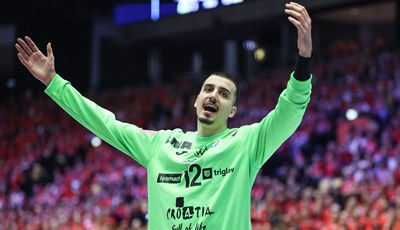
Hrvatski rukometaši u prvom potu u ždrijebu skupina Svjetskog prvenstva 2027. godine
7 sati•Rukomet
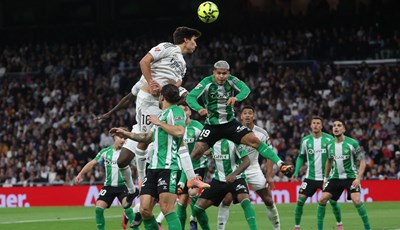
Legendarni španjolski veznjak: 'LaLiga je svjetlosnim godinama iza Premier lige'
20 sati•Nogomet