


DPK,6.Avenija


sjajni Ante Tomić!
http://www.jutarnji.hr/-ante-tomic--sa-srbima-bi-se-potukli-i-oko--zujalice-/1003868/
http://www.jutarnji.hr/ante-tomic-da-barem-jednoga-drzavnog-cinovnika-otpuste--pa-da-zovnemo-national-geographic/1000669/

ps-iz prvog članka,što AT kazuje o rukohvatu:
http://www.jutarnji.hr/-ante-tomic--sa-srbima-bi-se-potukli-i-oko--zujalice-/1003868/
http://www.jutarnji.hr/ante-tomic-da-barem-jednoga-drzavnog-cinovnika-otpuste--pa-da-zovnemo-national-geographic/1000669/
ps-iz prvog članka,što AT kazuje o rukohvatu:
'Premda, po duši govoreći, ni mnogo rječitije osobe ne bi se puno bolje snašle kad o rukometu govorimo. To potezanje, guranje i udaranje, divlje mlaćenje dvije skupine različito odjevenih muškaraca, jednostavno izmiče smislu. Nogomet, kad je i najlošiji, kad gledate seosku ligu na neograđenom pašnjaku gdje se bik koji put zaleti za centarforom, meni djeluje kao blistavi vrhunac ljudskog intelekta u usporedbi s rukometom.'
[uredio bojangles - 02. veljače 2012. u 14:29]
Because of a few songs wherein I spoke of their mystery-women have been exceptionally kind to my old age
dimnjacar je napisao/la:
I opet njujorski profesort u nista.Pa tvoji zemljaci su se danima kleli da ih ne zanima rukomet, zapravo godinama vec ismijavaju rukomet, na ovom forumu, redikulu.
Pa da li je moguće da naš vrli renesansni intelektualac koji sticajem nesretnih okolnosti živi u mraku dimnjaka nastavlja da nam otkriva naučne discipline u kojima je ekspert? Nakon povijesti, pa istorije (jer on prati i srpske izvore, unatoč skromnom odbijanju da to prizna), politikologije, socijalne psihologije, a nedavno i antropologije, odn., genetike, evo ga gde nas fascinira i svojim poznavanjem - statistike!
U stvari on je otišao korak dalje i "objasnio" da se 10ak srpskih učesnika sportnetovog foruma mogu smatrati reprezentativnim uzorkom srpske populacije kao takve. Ono što nijednom ozbiljnom statističaru nije pošlo za rukom, naš čistač ugljen dioksida je uradio u 16 sekundi, koliko mu je trebalo da napiše svoj genijalni post.
Pa kako da ga ne voliš?
Lepotane, jubi te Red & Cool! 
Nogomet
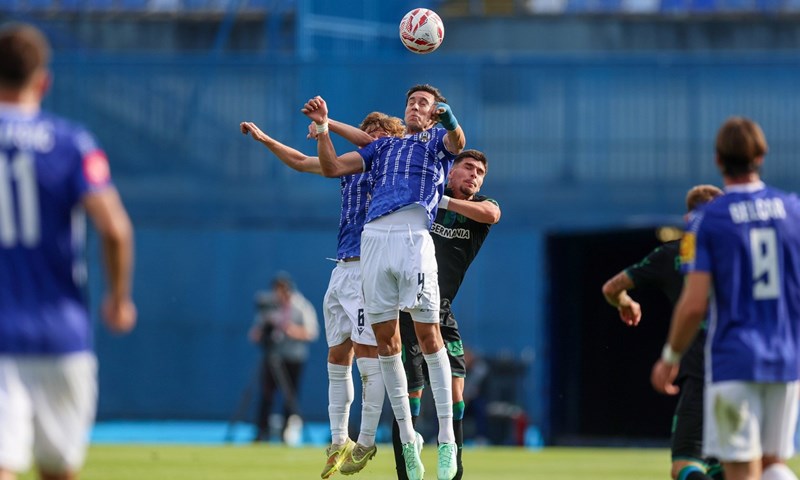
KRONOLOGIJA: Lokomotiva - Istra 1961 2:0 (SuperSport HNL, deseto kolo)
Nogomet
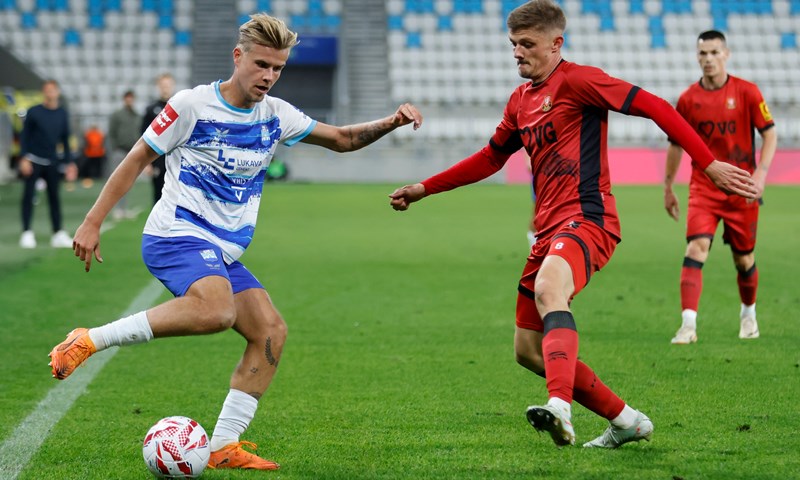
KRONOLOGIJA: Osijek - Gorica 1:1 (SuperSport HNL, deseto kolo)
Nogomet
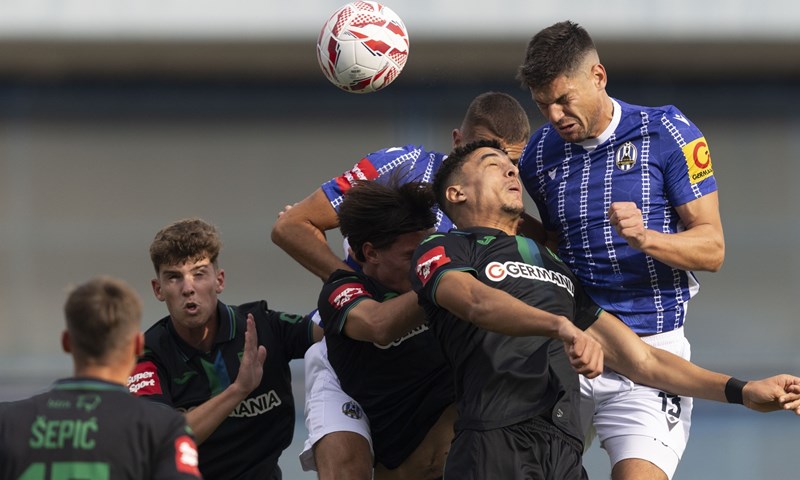
Fran Karačić podsjetio na stare dane, prvo ime u pobjedi Lokosa protiv Istre
Nogomet
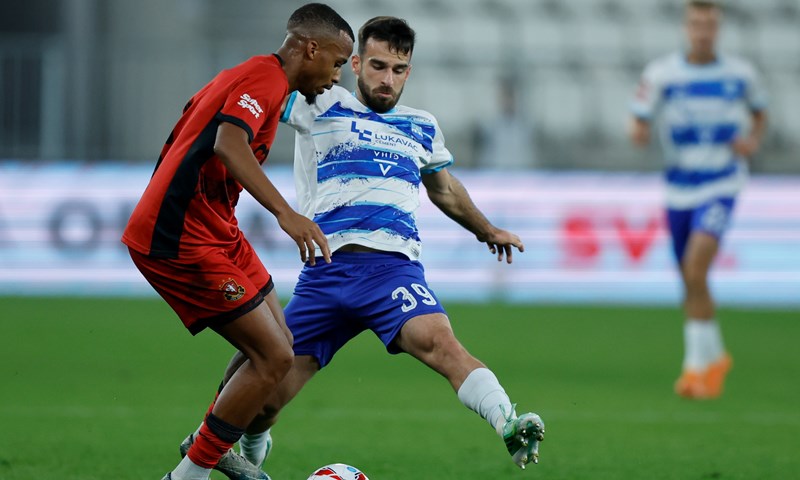
Osijek - Gorica 1:1: Ludnica na Opus Areni završila remijem, gostima tri gola poništena zbog zaleđa

- Najnovije
- Najčitanije
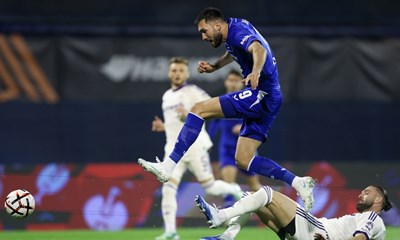
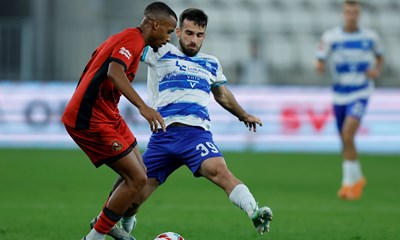
Osijek - Gorica 1:1: Ludnica na Opus Areni završila remijem, gostima tri gola poništena zbog zaleđa
16 min•Nogomet

Jakirović nakon poraza od Fulhama: 'Izgledalo je kao da igraju muškarci protiv dječaka'
23 min•Nogomet

Čabraja: 'Dinamo će biti u istom sustavu kao protiv Anderlechta, ali sigurno ne i u istom sastavu'
24 min•Nogomet
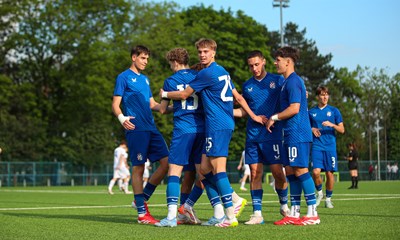
Hajduk uvjerljiv u juniorskom derbiju, Dinamovi kadeti uzvratili sa šest pogodaka
42 min•Nogomet
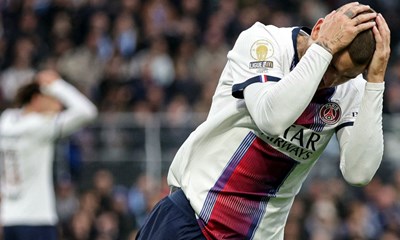
PSG preokretom u završnici stigao do pobjede, Dembele zabio nakon promašenog penala
52 min•Nogomet
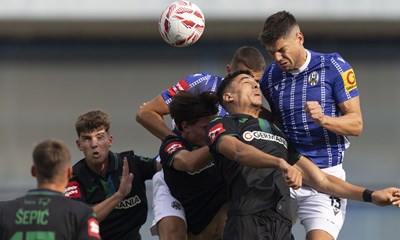
Fran Karačić podsjetio na stare dane, prvo ime u pobjedi Lokosa protiv Istre
1 sat•Nogomet
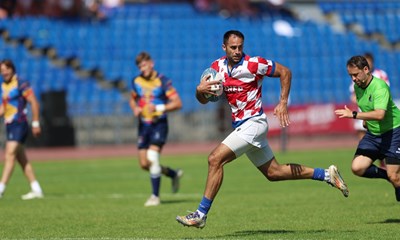
Hrvatski ragbijaši pregazili Sloveniju i završili na prvom mjestu skupine Kupa nacija
1 sat•Ostali sportovi
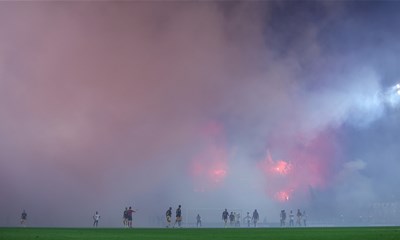
Hajduku prijeti kazna Uefe, Pavasović Visković upozorio na problem Poljuda i Maksimira
22 sata•Nogomet
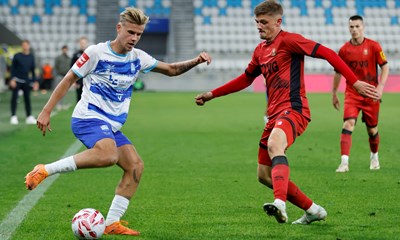
KRONOLOGIJA: Osijek - Gorica 1:1 (SuperSport HNL, deseto kolo)
2 sata•Nogomet
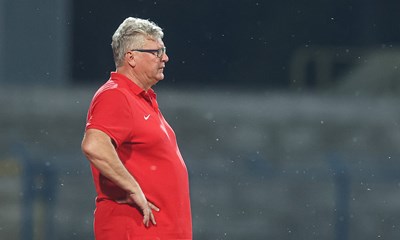
Hrvatska ostala bez Svjetskog prvenstva: Island u dvije utakmice zabio čak devet golova
3 dana•Nogomet
Bivši dinamovac upozorio na pritisak u Maksimiru: 'Pobijediš deset utakmica, izgubiš dvije i ideš ča'
22 sata•Nogomet
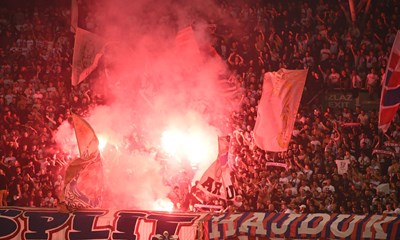
Neugodno iskustvo za gostujuće navijače na Poljudu: 'Ovo je potpuno ludilo'
23 sata•Nogomet
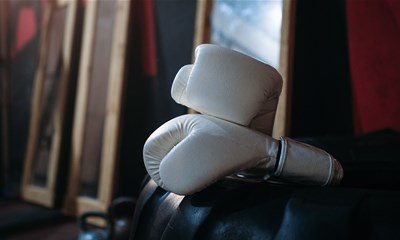
Teškaški spektakl u Londonu: Dubois i Wardley ponovno u ringu, ulog je svjetski pojas, a evo gdje gledati borbu
3 sata•Ostali sportovi
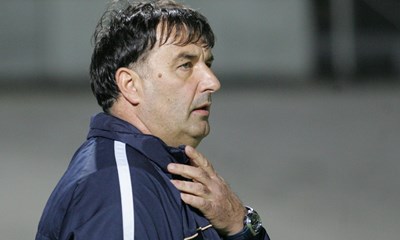
KRONOLOGIJA: Jadran LP - Dugopolje 4:4 (SuperSport Prva NL, deveto kolo)
7 sati•Nogomet
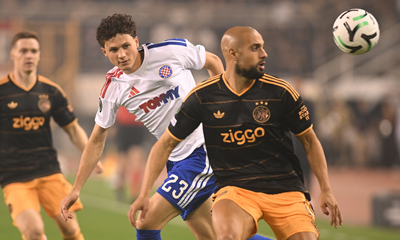
Nizozemski analitičari oštro kritizirali Ajax, ali nisu štedjeli ni Hajduk: 'Katastrofalan protivnik'
4 sata•Nogomet