
Hrvatska politička scena

ian wright je napisao/la:
otprilike se slažem. Država treba postavit pravila i brinut se da se pravila odnose na sve, tj. pravnu državu
država kod nas proizvodi ajvar i juhu sa slovima jer je to bitno za taj kraj 
njima je prije par godina propao hanjin, donedavno jedna od 10 najvećih brodarskih kompanija na svijetu. kod nas bi drama ispala da netko u podravki hoće podjeliti 100 otkaza.
jer ono, zamisli, dobiti otkaz je smak svijeta, ako ti netko da otkaz, umrijet ćeš od gladi 


Ili ovu 
Imperialism, the Highest Stage of Capitalism (1917), by Vladimir Lenin, describes the function of financial capital in generating profits from imperialist colonialism as the final stage of capitalist development to ensure greater profits.
In his Prefaces, Lenin states that the First World War (1914–1918) was "an annexationist, predatory, plunderous war"[2] among empires, whose historical and economic background must be studied "to understand and appraise modern war and modern politics".[3]
In order for capitalism to generate greater profits than the home market can yield, the merging of banks and industrial cartels produces finance capitalism—the exportation and investment of capital to countries with underdeveloped economies. In turn, such financial behaviour leads to the division of the world among monopolist business companies and the great powers. Moreover, in the course of colonizing undeveloped countries, business and government eventually will engage in geopolitical conflict over the economic exploitation of large portions of the geographic world and its populaces. Therefore, imperialism is the highest (advanced) stage of capitalism, requiring monopolies (of labour and natural-resource exploitation) and the exportation of finance capital (rather than goods) to sustain colonialism, which is an integral function of said economic model.[4][5]Furthermore, in the capitalist homeland, the super-profits yielded by the colonial exploitation of a people and their economy permit businessmen to bribe native politicians, labour leaders and the labour aristocracy (upper stratum of the working class) to politically thwart worker revolt (labour strike).
Ovo bi objasnilo banana republike, invaziju na Iraq, rat u Siriji, prijetnje rata Venezueli i Iranu, zemlje koje imaju i naftu i rijetke minerale.
"Smoke me a kipper, I'll be back for breakfast!" 🎸⚽🏀🎨

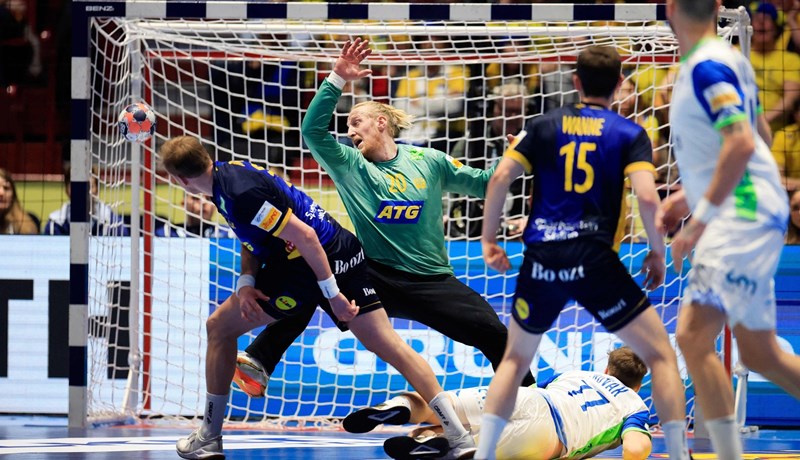
Rukomet
Švedska proradila na vrijeme i svladala Sloveniju, jedina ima četiri boda
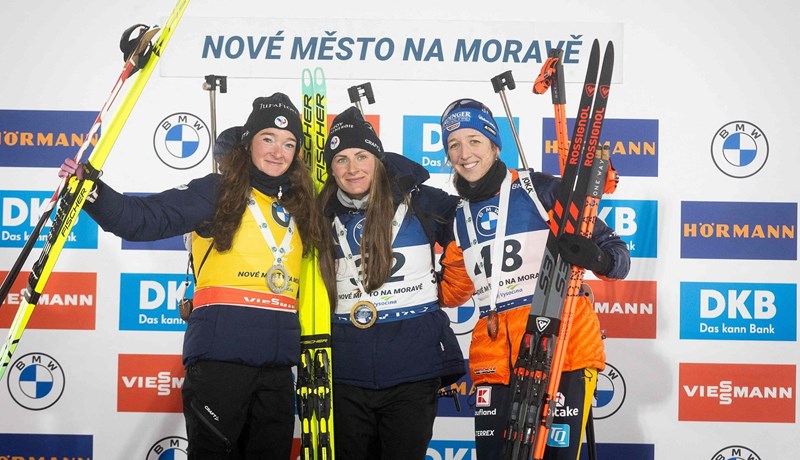
Zimski sportovi
Francusko slavlje u Novem Mestu, hrvatska biatlonka Iva Morić 83.

Košarka
Ramljak propustio meč loptu, Zadar poražen u produžetku od Ljubljančana
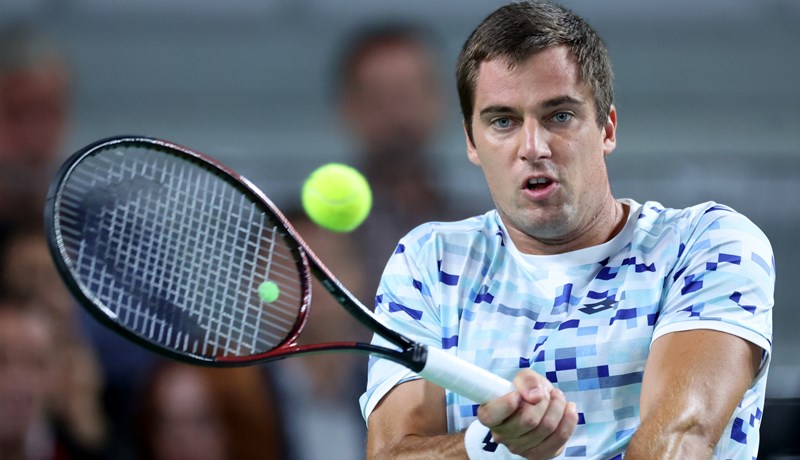
Tenis
Borna Gojo preokretom preko sedmog nositelja do polufinala turnira u Egiptu
db je napisao/la:
ja sam "zakleti kapitalist", a ne pobornik kapitalizma!
mene to nije sram priznati, ponosan sam na to.
za razliku od nekih, koji se srame reći da su komunisti 
Tako sam i ja "zakleti socijalista", prohrvatskog, nacionalnog predznaka, i ne sramim se to priznati

Uglavnom, u svemu treba imati mjeru, ni strogi kapitalizam, ni strogi socijalizam/komunizam, nisu dobri za cjelokupan razvoj društva (iz nekakve perspektive da ljudska zajednica napreduje, a da svi, ili barem 99% njih živi u normalnim uvjetima dostojnima čovjeka).
[uredio Papa Bear - 22. svibnja 2019. u 23:05]
- Najnovije
- Najčitanije


Varaždin i Gorica zamijenili domaćinstvo, igrat će se u ponedjeljak
42 min•Nogomet
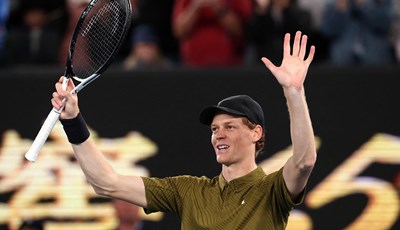
Talijanski dan u Melbourneu: Sinner neočekivano izgubio set, ali ipak prošao dalje
56 min•Tenis

Partizan napravio nevjerojatan preokret i slavio nakon minusa od 27 poena
5 sati•Košarka

Split uvjerljivo slavio protiv Zaboka, gosti potpuno pali u posljednjoj četvrtini
6 sati•Košarka
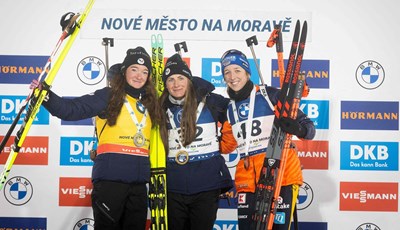
Francusko slavlje u Novem Mestu, hrvatska biatlonka Iva Morić 83.
7 sati•Zimski sportovi
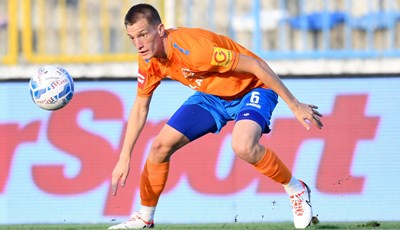
Bivši branič Varaždina zabio za povećanje vodstva pa u drugom dijelu zaradio drugi žuti karton
8 sati•Nogomet
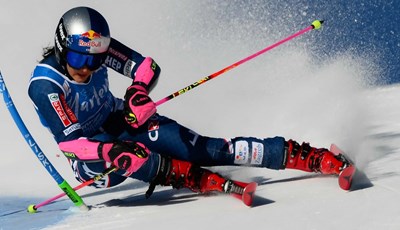
Nova prilika za hvatanje forme, Zrinka Ljutić u subotu nastupa u veleslalomu na stazi Svaty Petr
8 sati•Zimski sportovi
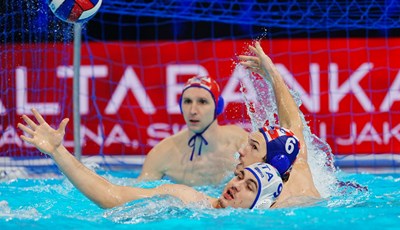
Srbija pred punim tribinama traži finale Europskog prvenstva
19 sati•Vodeni sportovi

Odgođena utakmica između Varaždina i Gorice
20 sati•Nogomet
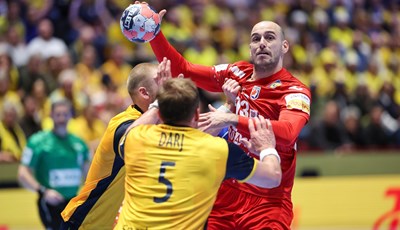
Kronologija: Hrvatska otvorila drugi krug Eura velikom pobjedom protiv Islanda!
16 sati•Rukomet
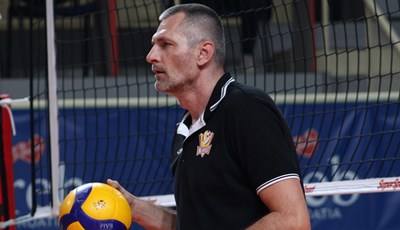
Španjolski stručnjak 'preveslao' Mladost, u klubu su svi u šoku, Toni Kovačević novi trener
17 sati•Ostali sportovi
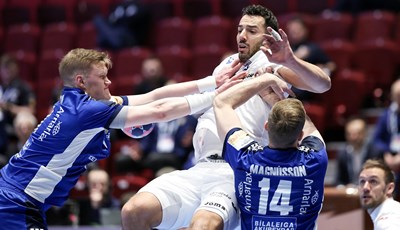
Veliko hrvatsko srce izborilo važnu pobjedu protiv jakog Islanda za ostanak u igri
14 sati•Rukomet
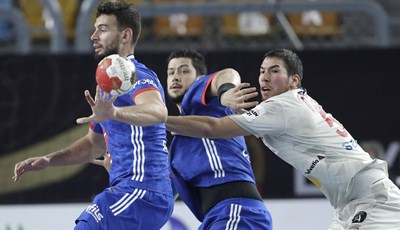
Insajder tvrdi: Zagreb radi na dovođenju velikog pojačanja iz Kielcea
16 sati•Rukomet
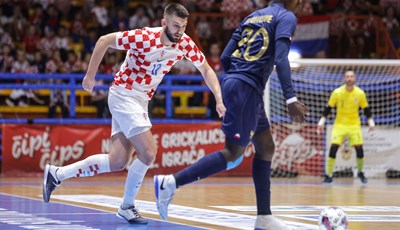
Kronologija: Hrvatska golovima Kusture do boda protiv Francuske
2 dana•Nogomet
Talijanski dan u Melbourneu: Sinner neočekivano izgubio set, ali ipak prošao dalje
56 min•Tenis