


Srbija

izgleda da je Cat IIIb ugradjena...ali nemaju IIIc sto bi morao biti slijedeci korak...

Belgrade Surcin
(1962)
Area near Surcin, 18 kilometers westward from Belgrade is selected for the location of the new international airport.
The airport was opened for traffic in 1962 with one runway 3000
m long, taxiway 3350 m long, passenger terminal building, control
tower, large apron for handling of aircraft and other contemporary
equipment.
Later on a new passenger terminal has been built, apron extended,
runway prolonged and in 1997 equipment for CAT II built in, enabling
use of airport at low visibility conditions.
In July 2005 six contemporary telescopic passenger boarding bridges were put into operation, in May 2006 reconstructed international Terminal 2 put into operation and since November 2008 Belgrade "Nikola Tesla" Airport can be used in full capacity in conditions of extremely low visibility due to ILS CAT IIIb equipment and procedures which was for the first time in history of Belgrade Airport used on January 4, 2009.
Belgrade "Nikola Tesla" Airport accommodates technical maintenance company Jat Technics Ltd and technical maintenance of Aviogenex, operational departments of Air Traffic Control and Customs Authority, Air Museum, Jat Airways and SMATSA Training Centers, Helicopter Unit of the Ministry of Interior, etc.
__________________________________________________________________________________________________________
ILS categories
There are three categories of ILS which support similarly named categories of operation. Information below is based on ICAO - certain states may have filed differences.
- Category I (CAT I) - A precision instrument approach and landing with a decision height not lower than 200 feet (61 m) above touchdown zone elevation and with either a visibility not less than 800 meters (2,625 ft) or a runway visual range not less than 550 meters (1,804 ft).
- Category II (CAT II) - Category II operation: A precision instrument approach and landing with a decision height lower than 200 feet (61 m) above touchdown zone elevation but not lower than 100 feet (30 m), and a runway visual range not less than 300 meters (984 ft) for aircraft category A, B, C and not less than 350 meters (1,148 ft) for aircraft category D.
- Category III (CAT III) is further subdivided
- Category III A - A precision instrument approach and landing with:
- a) a decision height lower than 100 feet (30 m) above touchdown zone elevation, or no decision height; and
- b) a runway visual range not less than 200 meters (656 ft).
- Category III B - A precision instrument approach and landing with:
- a) a decision height lower than 50 feet (15 m) above touchdown zone elevation, or no decision height; and
- b) a runway visual range less than 200 meters (656 ft) but not less than 75 meters (246 ft).
- Category III C - A precision instrument approach and landing with no decision height and no runway visual range limitations. A Category III C system is capable of using an aircraft's autopilot to land the aircraft and can also provide guidance along the runway surface.
- Category III A - A precision instrument approach and landing with:
In each case a suitably equipped aircraft and appropriately qualified crew are required. For example, Cat IIIc requires a fail-operational system, along with a Landing Pilot (LP) who holds a Cat IIIc endorsement in their logbook, Cat I does not. A head-up display which allows the pilot to perform aircraft maneuvers rather than an automatic system is considered as fail-operational. Cat I relies only on altimeter indications for decision height, whereas Cat II and Cat III approaches use radar altimeter to determine decision height.[2]
An ILS is required to shut down upon internal detection of a fault condition as mentioned in the monitoring section. With the increasing categories, ILS equipment is required to shut down faster since higher categories require shorter response times. For example, a Cat I localizer must shutdown within 10 seconds of detecting a fault, but a Cat III localizer must shut down in less than 2 seconds.


Trenutno je aktivno 31 članova Sportnet.hr Kluba.
Članovi online: Pjer, Vilenjak, smOtto, provokator, Dejan NS, djemba djemba, Deneb, andrija Nis, Nozh, dr.Damir, Rudes, mark_37, Insun, GigamoNaCentru, mrgud1, Fleky07, Papa Bear, Patriots, francesco totti, mamlaz11, relja, irfano, Marcel, diplomat, Stoik, Gospin dolac, bog_osobno, king_roger, srednjak, zdravko, damac
Tu si majstore.. a?
Misliš da Te ne vidimo....vrebaš iz prikrajka?

Kaži neku pametnu!
Članovi online: Pjer, Vilenjak, smOtto, provokator, Dejan NS, djemba djemba, Deneb, andrija Nis, Nozh, dr.Damir, Rudes, mark_37, Insun, GigamoNaCentru, mrgud1, Fleky07, Papa Bear, Patriots, francesco totti, mamlaz11, relja, irfano, Marcel, diplomat, Stoik, Gospin dolac, bog_osobno, king_roger, srednjak, zdravko, damac
Tu si majstore.. a?
Misliš da Te ne vidimo....vrebaš iz prikrajka?
Kaži neku pametnu!
Ja sam protiv svakog nacionalizma,jer je nacionalizam najnizi oblik drustvene svesti - Koca Popovic

Srbija brale :
Ona nije htela da napusti salu zbog narušavanja ugleda parlamenta, pa je sednica prekinuta na desetak minuta.


Gordana Pop-Lazić gađala cipelama Gordanu Čomić
Autor: Blic online
| 26.11.2009. - 12:00
Poslanica
SRS Gordana Pop-Lazić gađala je cipelama predsedavajuću parlamenta
Gordanu Čomić, posle čega je na kratko prekinuta sednica Skupštine
Srbije.
Ona nije htela da napusti salu zbog narušavanja ugleda parlamenta, pa je sednica prekinuta na desetak minuta.
[uredio Dejan NS - 26. studenog 2009. u 12:26]
Ja sam protiv svakog nacionalizma,jer je nacionalizam najnizi oblik drustvene svesti - Koca Popovic

![[VIDEO] Vukovar 1991 - Lokomotiva 1:1: Remi koji nije razveselio ni jedne ni druge](/photos/_resized/525/16/0000000000525166_800_460_cut.jpg)
Nogomet
[VIDEO] Vukovar 1991 - Lokomotiva 1:1: Remi koji nije razveselio ni jedne ni druge
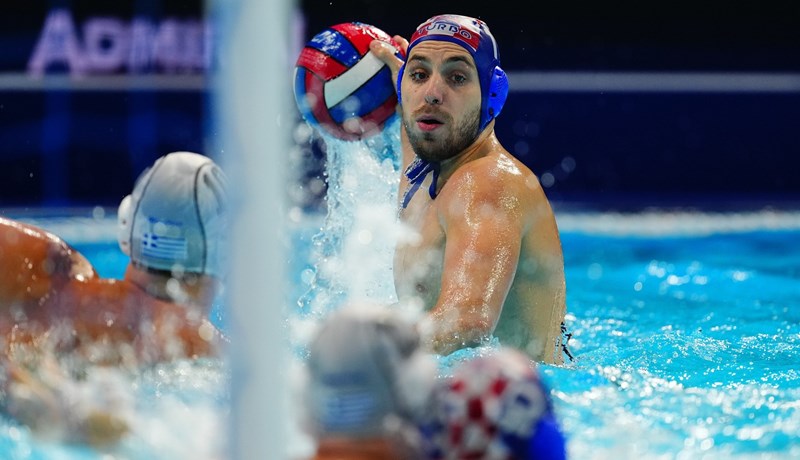
Vodeni sportovi
Španjolski vaterpolisti svladali Hrvatsku na Svjetskom kupu u Grčkoj
![[VIDEO] Istra 1961 - Hajduk 1:3: Moćno izdanje Splićana i glatka pobjeda u Puli](/photos/_resized/525/18/0000000000525183_800_460_cut.jpg)
Nogomet
[VIDEO] Istra 1961 - Hajduk 1:3: Moćno izdanje Splićana i glatka pobjeda u Puli
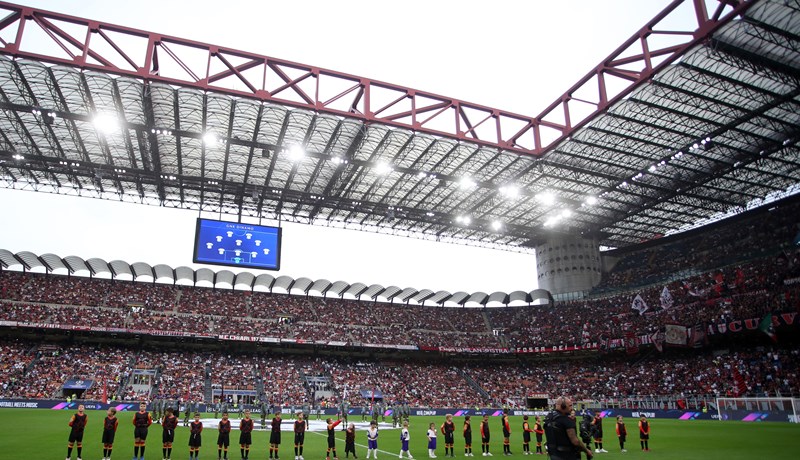
Nogomet
UEFA zaprijetila Italiji oduzimanjem domaćinstva za Euro 2032: 'Rok je do listopada'

- Najnovije
- Najčitanije
Cheikh Mbacke Diop oprostio se od zagrebačke Lokomotive
5 sati•Nogomet
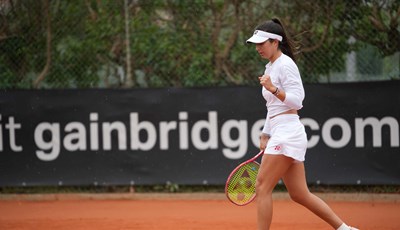
Petra Marčinko lakoćom do prvog boda za Hrvatsku protiv Litve, Ružić prekinula zbog kiše
6 sati•Tenis
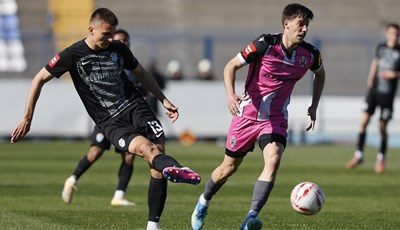
Igrač utakmice: Prvijenac u SuperSport HNL-u spasio Vukovar od poraza protiv Lokosa
6 sati•Nogomet

Donna Vekić izborila drugo kolo na WTA turniru u Linzu
6 sati•Tenis

Makhachev: 'Umoran sam od izmišljenih Topurijinih priča'
7 sati•MMA

Beljo među najistaknutijim europskim strijelcima u lovu na Zlatnu kopačku
7 sati•Nogomet
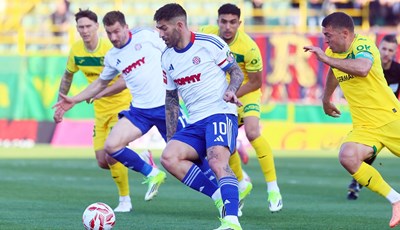
Igrač utakmice: Marko Livaja podsjetio na one dane kada je dominirao ligom
7 sati•Nogomet
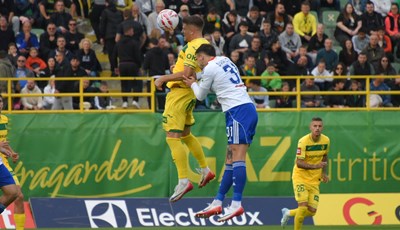
KRONOLOGIJA: Istra 1961 - Hajduk 1:3 (SHNL)
11 sati•Nogomet

KRONOLOGIJA: Vukovar 1991 - Lokomotiva 1:1 (SHNL)
13 sati•Nogomet
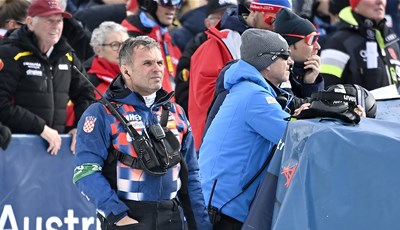
Gdje je nestao novac, afera koja već danima trese Hrvatski skijaški savez
3 dana•Originalno

KRONOLOGIJA: Dinamo - Osijek 7:0 (SHNL)
3 dana•Nogomet
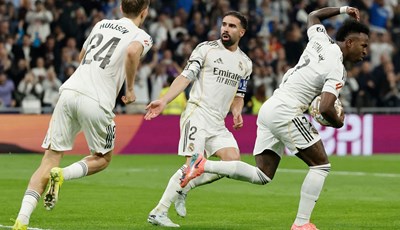
Od 'krvničkog' gaženja Juanita, preko Ancelottijeve 'lekcije', do bajke Joselu: 28 epizoda klasika Real – Bayern!
20 sati•Originalno
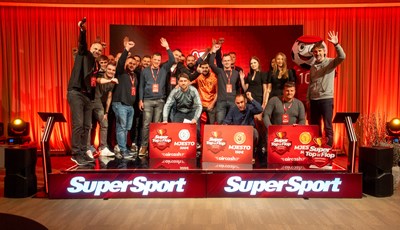
Izdvajamo 10 pitanja iz nacionalnog sportskog pub kviza - koliko znate odgovora?
2 dana•Ostali sportovi
Beljo među najistaknutijim europskim strijelcima u lovu na Zlatnu kopačku
7 sati•Nogomet
![[VIDEO] Istra 1961 - Hajduk 1:3: Moćno izdanje Splićana i glatka pobjeda u Puli](/photos/_resized/525/18/0000000000525183_400_230_cut.jpg)
[VIDEO] Istra 1961 - Hajduk 1:3: Moćno izdanje Splićana i glatka pobjeda u Puli
8 sati•Nogomet