
Srbija

sh1 je napisao/la:
zilijen je napisao/la:
sh1 je napisao/la:
zilijen je napisao/la:
sh1 je napisao/la:
Prvi dan je uzela 200 USD,
Opa ... aj da častiš ...
Ja da castim?
Mislim da 200USd nije bas neka para to jest da moze da uzme ladno i 300USD.
Inace stedimo za stan. Kad ga kupimo castim sigurno.
Ajd važi ... kad kupite stan ...
Imate 200 dolara ... Skupili ste za 0.2 m2 ... fali vam još za 79.8 m2 ...
Mi smo skromni uzecemo 60 m2 , trosoban, dovoljno.
, trosoban, dovoljno.Ako je 60 kvadrata trosoban stan ja sam 26 godina živeo u zabludi da živim u trosobnom stanu ...

zilijen je napisao/la:
sh1 je napisao/la:
zilijen je napisao/la:
sh1 je napisao/la:
zilijen je napisao/la:
sh1 je napisao/la:
Prvi dan je uzela 200 USD,
Opa ... aj da častiš ...
Ja da castim?
Mislim da 200USd nije bas neka para to jest da moze da uzme ladno i 300USD.
Inace stedimo za stan. Kad ga kupimo castim sigurno.
Ajd važi ... kad kupite stan ...
Imate 200 dolara ... Skupili ste za 0.2 m2 ... fali vam još za 79.8 m2 ...
Mi smo skromni uzecemo 60 m2 , trosoban, dovoljno.
, trosoban, dovoljno.Ako je 60 kvadrata trosoban stan ja sam 26 godina živeo u zabludi da živim u trosobnom stanu ...
Evo ovaj nije los. Pogledaj i sam ima cak manje od 60m2
Jah Bless

monstruozo je napisao/la:
sh1 je napisao/la:
[http://www.cordia.hu/img/corvin/vizualiskereso/fontana_haz/nagy/e302.jpg
Evo ovaj nije los. Pogledaj i sam ima cak manje od 60m2
ne razumijem...ja sigurno necu spavat u kupaoni...nadam se da ti se kauc u dnevnom boravku razvlaci pa da ne moras na fotelji kad dodjem...
..inace da zaspamam temu do kraja, ako igdje vidite arhitekta mojeg stana slobodno mu prosecite mozak na drugu stranu ulice...moj stan ima 65 kvadrata ja mislim...od toga su dvije sobe sve skupa 20, ostalo je u hodnicima...moram odspavat na pola puta kad idem u kuhinju do frizidera...ajd idem sad do balkona...ako potrcim evo me za pola sata natrag...
Pa ima dve spavace jedna je za nas dvoje a jedna za goste , kad bude dece bice decija.A onda ce gosti spavati u dnevnoj ili mi u dnevnoj a gosti u nasoj spavacoj.
Jah Bless
sh1 je napisao/la:
monstruozo je napisao/la:
sh1 je napisao/la:
[http://www.cordia.hu/img/corvin/vizualiskereso/fontana_haz/nagy/e302.jpg
Evo ovaj nije los. Pogledaj i sam ima cak manje od 60m2
ne razumijem...ja sigurno necu spavat u kupaoni...nadam se da ti se kauc u dnevnom boravku razvlaci pa da ne moras na fotelji kad dodjem...
..inace da zaspamam temu do kraja, ako igdje vidite arhitekta mojeg stana slobodno mu prosecite mozak na drugu stranu ulice...moj stan ima 65 kvadrata ja mislim...od toga su dvije sobe sve skupa 20, ostalo je u hodnicima...moram odspavat na pola puta kad idem u kuhinju do frizidera...ajd idem sad do balkona...ako potrcim evo me za pola sata natrag...
Pa ima dve spavace jedna je za nas dvoje a jedna za goste , kad bude dece bice decija.A onda ce gosti spavati u dnevnoj ili mi u dnevnoj a gosti u nasoj spavacoj.
kad bude djece necete spavati
...e ne smijem vise, ubit ce me srbi...idem zasrat neki slovenski topic sad...

zilijen je napisao/la:
sh1 je napisao/la:
Pa ima dve spavace jedna je za nas dvoje a jedna za goste , kad bude dece bice decija.A onda ce gosti spavati u dnevnoj ili mi u dnevnoj a gosti u nasoj spavacoj.
A kad dođe još gostiju onda ćete spavati u hotelu ...
Ne nego kod mog caleta , on ima petosoban stan a zive njih troje.
Jah Bless
Računar bolji od Miladinovića

Domaći kompjuterski program "Ahil 91" pobedio je najboljeg šahistu u Srbiji, velemajstora Igora Miladinovića u dvodnevnoj manifestaciji "Čovek protiv mašine", koja je održana na niškom Elektronskom fakultetu. Odigrane su ukupno četiri partije - "Ahil" je dobio tri, a jedna je završena remijem.
"Loše
sam igrao i rezultat je realan. Juce sam igrao bolje i mogao sam da
postignem bolji rezultat. Teško je, medjutim, igrati protiv mašine.
Vrhunski šahisti u svetu takodje su gubli od kompjutera", rekao je Miladinović.
Svaki meč trajao je sata, a dnevno su se igrale dve partije.
Prvu partiju Miladinović je izgubio, dok je druga završena remijem.
"Ahil" je radio na sistemu od 16 računara. Ovo je bio prvi meč
velemajstora protiv kompjutera u Srbiji. Autor sistema "Ahil" je
profešor niškog Elektronskog fakulteta Vladan Vučković.
Prema njegovim rečima, meč je "način za testiranje ovog softvera, koji je proizvod visoke tehnologije iz oblasti vestačke inteligencije".
"Ahil je moćan i agresivan i ima intelektualno reagovanje vrhunskog velemajstora", smatra Vučković.
Do sada je u svetu održano nekoliko šahovskih mečeva
velemajstora i kompjutera, isključivo u tehnološki najrazvijenijim
zemljama sveta. Od kompjutera su do sada gubili i Gari Kasparov,
Vladimir Kramnik i Majkl Adams.
Bravo za profu Vladana
Jos pre pola godine su nam ljudi iz AMD-a koji su dolazili na fax da nam drze neka predavanja pricali da ce ovaj projekat prof.Vuckovica biti poznat i priznat u svetskim okvirima....

Nogomet
Ancelotti prelomio: Neymarovo ime nije na popisu za prijateljske utakmice s Francuskom i Hrvatskom

Nogomet
Carević: 'Svjestan sam ja što je nogomet, u dva kola mogu ti se preokrenuti i bodovni saldo i psihologija'
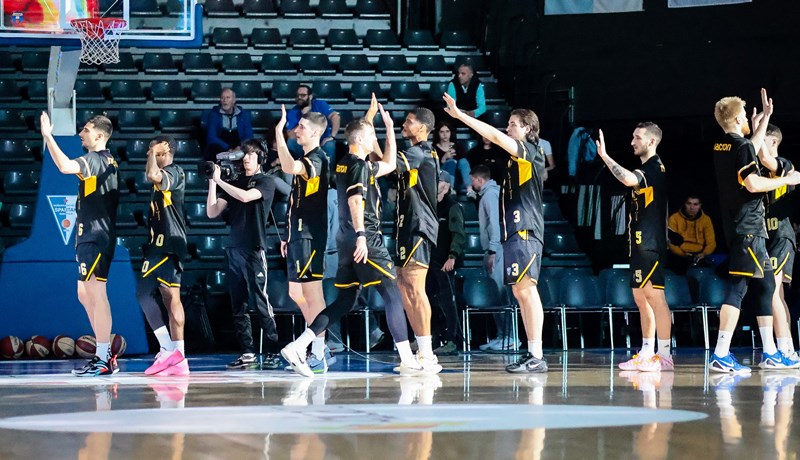
Košarka
Vrijeme kada se lomi sezona, može li Rajković biti dobitno rješenje?

Nogomet
Od huka Kopa u istanbulskoj noći do – glave Sergija Roberta: nevjerojatna serija epskih preokreta
- Najnovije
- Najčitanije
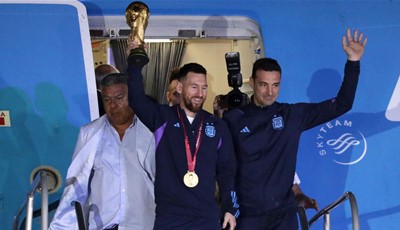
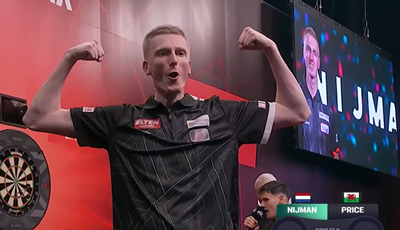
Wessel Nijman osvojio svoj prvi European Darts Trophy: 'Kada glasno slavite, vaš puls raste i postajete nervozniji'
2 sata•Ostali sportovi
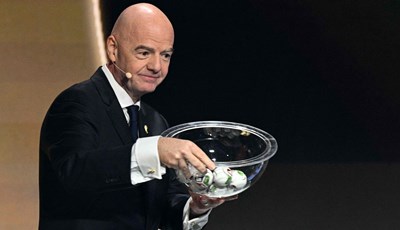
Iran od Fife zatražio premještanje svojih utakmica na Svjetskom prvenstvu iz SAD-a u Meksiko
3 sata•Nogomet

Veliki vikend za mlade zvijezde: Güler i Dowman rušili rekorde, Antonelli postao drugi najmlađi pobjednik u utrci
4 sata•Nogomet
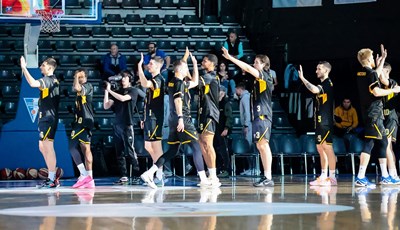
Vrijeme kada se lomi sezona, može li Rajković biti dobitno rješenje?
2 sata•Košarka

Ian Machado Garry optužio Islama Makhacheva da izmišlja ozljedu: 'Ne vjerujem u to, mislim da se radi o izgovorima'
5 sati•Ostali sportovi

Ancelotti prelomio: Neymarovo ime nije na popisu za prijateljske utakmice s Francuskom i Hrvatskom
5 sati•Nogomet

Inter razmišlja o prodaji Bastonija: Interes pokazuju engleski prvoligaši i Barcelona
6 sati•Nogomet

Kronologija: Varaždinci nadigrali i zasluženo svladali posljednjeplasirani Vukovar
3 dana•Nogomet

Carević: 'Svjestan sam ja što je nogomet, u dva kola mogu ti se preokrenuti i bodovni saldo i psihologija'
17 sati•Nogomet
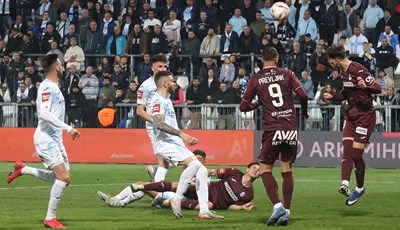
Ovako je Istra 1961 za manje od deset minuta stigla do prednosti koja joj je donijela tri boda u Rijeci
21 sat•Nogomet
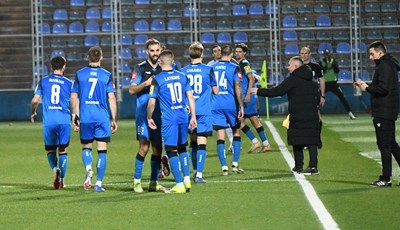
Pogledajte kako je Vukovar upisao novi poraz, Varaždin vrlo dobrim nastupom do pobjede
17 sati•Nogomet

Pogledajte show Diona Drene Belje i kako je Dinamo napunio mrežu Slaven Belupa
20 sati•Nogomet

Sanchez: 'Primili smo ponovno gol iz pogreške, kao protiv Strasbourga imali prilike kasnije, ali nismo zabili'
19 sati•Nogomet
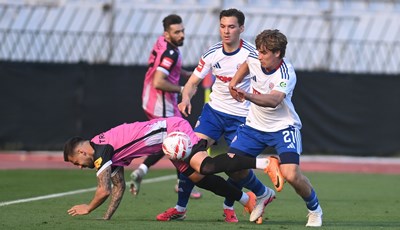
Pogledajte kako je Hajduk u vrlo uzbudljivom susretu upisao pobjedu protiv Lokomotive
21 sat•Nogomet

Najzanimljiviji trenuci dvoboja susjeda na ljestvici, Osijek i Gorica remizirali
17 sati•Nogomet