


WW2


In 1939, the world's largest army invaded a nation of 3.7 million people.
The attackers had 450,000 troops, thousands of tanks, and complete air superiority
Against just 33,000 defenders.
Here's how the desperate few turned this 3-day invasion into a 105-day bloodbath: 🧵

The attackers had 450,000 troops, thousands of tanks, and complete air superiority
Against just 33,000 defenders.
Here's how the desperate few turned this 3-day invasion into a 105-day bloodbath: 🧵
Stalin had watched Hitler crush Poland in weeks.
Now he wanted to secure his own borders before the real war began.
Finland's territory would make a perfect buffer zone.
Surely this tiny nation would see reason and negotiate.
Now he wanted to secure his own borders before the real war began.
Finland's territory would make a perfect buffer zone.
Surely this tiny nation would see reason and negotiate.
The Finns had other ideas.
When Stalin demanded military bases and territorial concessions, Finland's leaders politely refused.
They had spent twenty years building their independence.
They weren't about to hand it over without a fight.
When Stalin demanded military bases and territorial concessions, Finland's leaders politely refused.
They had spent twenty years building their independence.
They weren't about to hand it over without a fight.
Stalin began mobilizing.
The Red Army assembled 460,000 troops along the Finnish border.
Tanks, artillery, aircraft, everything needed to crush a small nation quickly.
Finnish intelligence watched nervously as the massive force took shape.
The Red Army assembled 460,000 troops along the Finnish border.
Tanks, artillery, aircraft, everything needed to crush a small nation quickly.
Finnish intelligence watched nervously as the massive force took shape.
Finland had 32,000 soldiers and outdated equipment.
Their air force consisted of a few dozen obsolete planes.
But they had something the Soviets didn't understand yet—intimate knowledge of their homeland and an unshakeable will to defend it.
Their air force consisted of a few dozen obsolete planes.
But they had something the Soviets didn't understand yet—intimate knowledge of their homeland and an unshakeable will to defend it.
November 30, 1939.
The first Soviet shells fell on Finnish positions at dawn.
Columns of tanks rolled across frozen fields as troops marched confidently toward what they assumed would be an easy victory.
The Winter War had begun.
The first Soviet shells fell on Finnish positions at dawn.
Columns of tanks rolled across frozen fields as troops marched confidently toward what they assumed would be an easy victory.
The Winter War had begun.
The early days brought Soviet success.
Massive artillery barrages shattered Finnish border defenses.
Soviet bombers destroyed entire towns unopposed.
Soviet tank columns advanced across the border, capturing several forward Finnish positions.
It was going as planned.
Massive artillery barrages shattered Finnish border defenses.
Soviet bombers destroyed entire towns unopposed.
Soviet tank columns advanced across the border, capturing several forward Finnish positions.
It was going as planned.
But Finnish commanders had a plan.
Soldiers on skis moved through forests faster than any vehicle.
White camouflage made them invisible in snow.
Molotov cocktails disabled tanks while snipers picked off officers.
They turned Finland's winter into their weapon.
Soldiers on skis moved through forests faster than any vehicle.
White camouflage made them invisible in snow.
Molotov cocktails disabled tanks while snipers picked off officers.
They turned Finland's winter into their weapon.
As Soviet forces pushed deeper into Finnish territory.
Finnish soldiers appeared from nowhere, struck hard, then vanished into white wilderness.
Soviet columns found themselves lost in unfamiliar forests, separated from supplies and reinforcements.
Finnish soldiers appeared from nowhere, struck hard, then vanished into white wilderness.
Soviet columns found themselves lost in unfamiliar forests, separated from supplies and reinforcements.
Simo Häyhä, a quiet farmer turned sniper, began his legendary killing spree in these early battles.
Using only iron sights in -30°C weather, he picked off Soviet soldiers from impossible distances.
Fear began spreading through enemy ranks.
Using only iron sights in -30°C weather, he picked off Soviet soldiers from impossible distances.
Fear began spreading through enemy ranks.
At Suomussalmi, the trap was set perfectly.
Two Soviet divisions advanced down forest roads, believing they faced only scattered resistance.
Finnish forces waited in the trees, ready to demonstrate what happened when you fought Finns in Finland
Two Soviet divisions advanced down forest roads, believing they faced only scattered resistance.
Finnish forces waited in the trees, ready to demonstrate what happened when you fought Finns in Finland
The battle became a masterpiece of tactical destruction.
Finnish ski troops cut the Soviet columns into pieces, then eliminated each segment methodically.
When it ended, 27,500 enemy soldiers were dead or captured.
The road was lined with corpses.
Finnish ski troops cut the Soviet columns into pieces, then eliminated each segment methodically.
When it ended, 27,500 enemy soldiers were dead or captured.
The road was lined with corpses.
News of these victories spread worldwide.
International journalists flocked to Finland to witness the impossible—a tiny democracy holding off the communist superpower.
Britain and France began preparing aid packages.
The underdog had global support.
International journalists flocked to Finland to witness the impossible—a tiny democracy holding off the communist superpower.
Britain and France began preparing aid packages.
The underdog had global support.
But behind the headlines, Finnish commanders faced a grim reality.
Artillery shells were rationed to a few per day.
Machine gun ammunition was running dangerously low.
International aid was promised but moving slowly through neutral Sweden.
Artillery shells were rationed to a few per day.
Machine gun ammunition was running dangerously low.
International aid was promised but moving slowly through neutral Sweden.
Meanwhile, Soviet reinforcements kept arriving—fresh divisions with full supplies and winter equipment.
Finnish soldiers fought the same battles repeatedly, but each time against new enemies while their own numbers dwindled with every engagement.
Finnish soldiers fought the same battles repeatedly, but each time against new enemies while their own numbers dwindled with every engagement.
March 12, 1940. The Moscow Peace Treaty ended 105 days of fighting.
Finland lost 11% of it's territory but kept its independence.
Soviet casualties exceeded 320,000 against Finnish losses of 70,000.
The price of victory had been devastating for Moscow.
Finland lost 11% of it's territory but kept its independence.
Soviet casualties exceeded 320,000 against Finnish losses of 70,000.
The price of victory had been devastating for Moscow.
The Winter War changed history.
Hitler saw Soviet weakness and began planning his invasion.
Finland's resistance inspired occupied nations across Europe.
105 days in the snow taught the world that numbers don't always win wars.
Hitler saw Soviet weakness and began planning his invasion.
Finland's resistance inspired occupied nations across Europe.
105 days in the snow taught the world that numbers don't always win wars.
"Smoke me a kipper, I'll be back for breakfast!" 🎸⚽🏀🎨


Originalno
March Madness: Kako je u 'ludnici' finala u New Orleansu svijet upoznao najvećeg košarkaša u povijesti
Košarka
SuperSport Premijer liga: Zadar u 24 sata do druge pobjede, Šibenka i Cedevita Junior na istom razmaku
Originalno
Gorica je zaboravljena, Riječani ponovno u sedlu
Zimski sportovi
Sisak u drami do preokreta i pobjede protiv Merana za vodstvo u polufinalnoj seriji
- Najnovije
- Najčitanije
Dinamo melje protivnike i samo on odlučuje s kolikom će razlikom slaviti
12 sati•Originalno
Napoli – Milan: Maradona, Camorra, i Totonero, šokantna priča o najvećoj utakmici u povijesti Serie A
14 sati•Originalno
March Madness: Kako je u 'ludnici' finala u New Orleansu svijet upoznao najvećeg košarkaša u povijesti
16 sati•Originalno

Izdvajamo 10 pitanja iz nacionalnog sportskog pub kviza - koliko znate odgovora?
18 sati•Ostali sportovi
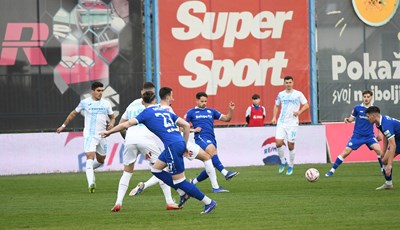
Gorica je zaboravljena, Riječani ponovno u sedlu
20 sati•Originalno
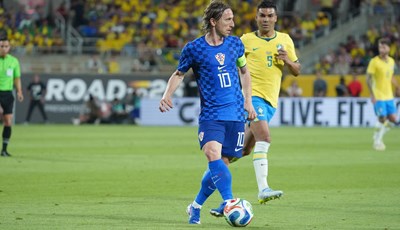
Evo kako izgleda poredak favorita Svjetskog prvenstva gdje Vatreni (opet) kreću kao autsajderi
22 sata•Originalno

Ragbijaši Zagreba i Sinja u zanimljivim polufinalnim dvobojima izborili finale Kupa
23 sata•Ostali sportovi
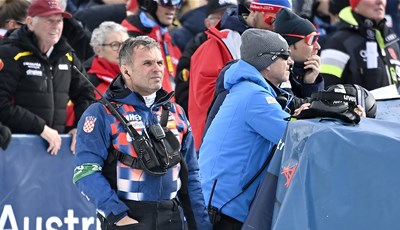
Gdje je nestao novac, afera koja već danima trese Hrvatski skijaški savez
1 dan•Originalno

KRONOLOGIJA: Dinamo - Osijek 7:0 (SHNL)
1 dan•Nogomet

Krovinović za Sportnet: 'Hajduk je moja najveća sreća i čvrsto vjerujem - ostvarit ćemo naš zajednički san'
3 dana•Originalno
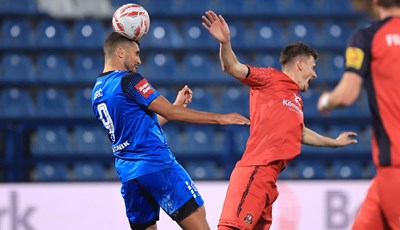
KRONOLOGIJA: Varaždin - Gorica 1:1 (SHNL)
2 dana•Nogomet
Izdvajamo 10 pitanja iz nacionalnog sportskog pub kviza - koliko znate odgovora?
18 sati•Ostali sportovi
Evo kako izgleda poredak favorita Svjetskog prvenstva gdje Vatreni (opet) kreću kao autsajderi
22 sata•Originalno
Napoli – Milan: Maradona, Camorra, i Totonero, šokantna priča o najvećoj utakmici u povijesti Serie A
14 sati•Originalno

KRONOLOGIJA: Cibalia - Croatia Zmijavci 4:0 (SuperSport Prva NL)
1 dan•Nogomet