
Roland Garros 2009







WTA Tour
Serena Williams ponovno dobila pravo nastupa na Grand Slam i WTA turnirima
WTA Tour
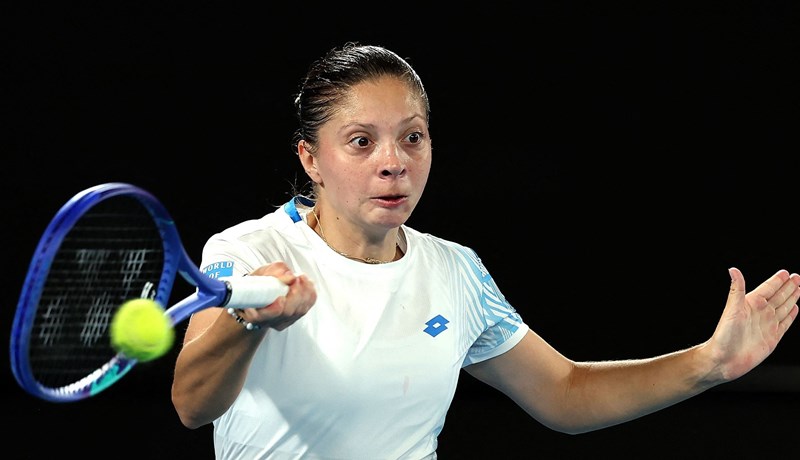
Ružić preko treće igračice svijeta i aktualne pobjednice Australian Opena do četvrtfinala u Dubaiju
ATP Tour
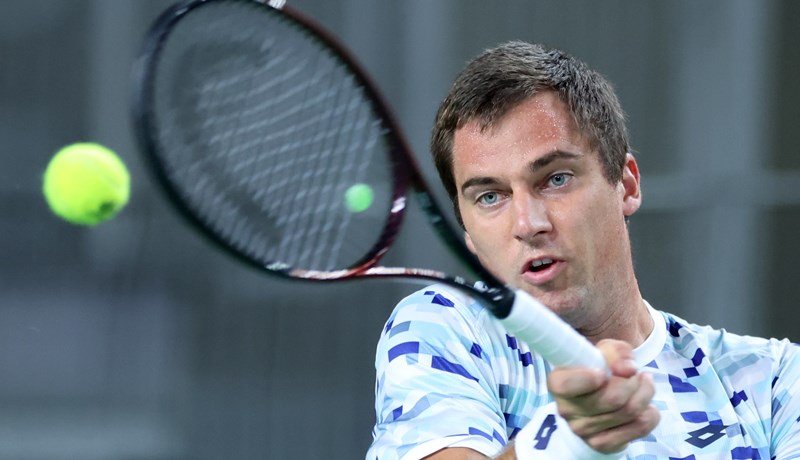
Gojo rutinski svladao Galarneaua i osvojio turnir u meksičkom Metepecu
WTA Tour
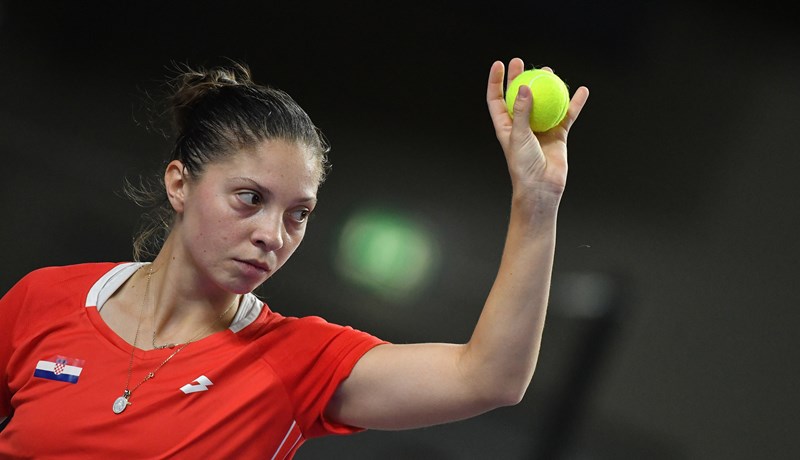
Antonia Ružić dobro krenula, ali ostala bez nove TOP 10 pobjede ovog tjedna
 |
R. SODERLING/R. Nadal
6‑2, 6‑7, 6‑4, 7‑6
An interview with:
RAFAELNADAL
THE MODERATOR: Questions in English, please.
Q. It was a great four‑year winning period. All things had to end, and it happened today, your series of wins. Did you expect such power tennis fromSoderling before the game? Were yousurprised during the match of the way he hit his ball consistently so hard,especially on the forehand, but also in general?
RAFAEL NADAL: No. No, no. He didn't surprise me,because I know how he play, how dangerous he can be. Yesterday I didn't play my best tennis. No, I didn't attack in no one moment. I play very short, and I make him very easyto play at this level.
So when one player bad,must lose. That's what happenedtoday. I have to accept with the samecalm when I win than when I lose. Afterfour years I lose here, and the season continue.
Q. Were you surprised that he was able to sustain the level of play that hedid throughout the match? Did you expecthim, at some stage, to perhaps have a little dip, which he never really did?
RAFAEL NADAL: Well, you know, when, for ‑‑ I playedvery short, you know. I play veryshort. I didn't play great. I didn't play with calm at no one time duringall the match.
That makes him easy toplay at this level during all the match, no? So was my fault, and more than ‑‑ well, sure, he did well. He did very well, but I didn't ‑‑ yeah,I think I didn't play my best tennis. And I didn't play not my best tennis, no? I didn't play my tennis, and for that reasonI lose. That's it.
I congratulate him and keep working hard forthe next tournament.
Q. AndyMurray said to us earlier that the wind was a lot trickier. The wind was a lot more difficult thanperhaps it seemed. Is that the reasonperhaps that you were playing a little too short today in the conditions?
RAFAEL NADAL: No, no, no, no. The wind is there for both players, so no,no? I not going to put any excuse rightnow. I think I played short because Iplayed short. I didn't have my day.
Q. Do you think you maybe played too many tournaments lately? How are you going to prepare for Wimbledon?
RAFAEL NADAL: Yeah, when you lose, always everybody startsto analyze if I play too much. If I'mtired. The true, I won four years in arow playing the same. That's the true. This year I play the same and I lost. What happen? I lost. That's it.
That whathappened. I lost another opportunity towin a big tournament here. Always is abig loss for me. But in the end is onemore match, yeah.
Q. What about the preparation for Wimbledon? Are you going to play Queen's?
RAFAEL NADAL: Right now, my preparation is for the swimmingpool of my house. (laughter.) Yeah, give me three more days to think aboutpreparation for Wimbledon.
Q. You looked tired. Do you feelexhausted? Do you feel tired physicallyand mentally?
RAFAEL NADAL: No.
Q. You look a bit tired.
RAFAEL NADAL: No, no, I feel okay.
Q. You're handling this with humor, but how much really did this hurt, yourfirst loss at Roland Garros, honestly?
RAFAEL NADAL: Well, is not my best day today, no? I am not very happy. That's true, no? You know, is tough always losing in a GrandSlam, especially in one Grand Slam where you have the better chance to win thanthe rest than the others.
But I did. I did very well on Wimbledon and in Australia,and semifinals last year in US Open. Ihave to be confident on myself to keepgoing, keep working.
If I lost today, it ‑‑ well, the preparationmentally, I don't know, it wasn't perfect, no?
So I have to work harder to be readyfor the next big events.
Q. Youhad to know this day would come. Are yousurprised it came so quickly?
RAFAEL NADAL: What? (Through translation.)
I don't know. If you think it's soon after four years? (laughter.) Why do you think, no? A lot of playerswon four years here in a row? Is onlyanother one, no?
Q. Youwere so enormously strong last year in Paris. If you compare yourself, your level today andthe last years, are you mentally not that strong as in the last years, orphysically? What's the difference?
RAFAEL NADAL: You know, guys, I lost. That's what I can say. I lost. I didn't play my best tennis today. I have to analyze why I lost today, but I think that the things are moresimple than if I am less strong than before, if I am less prepared mentallythan before.
I think today I didn'tplay my tennis, and I wasn't ready to come back over a good player likeSoderling. We have to analyze that andbe ready for the next confrontations in big, important tournaments, no?
No, I think I was ready for everything. If I wasn't ready here, I don't know when Igonna be ready after winning a lot of tournaments and being my best at start ofthe season, no?
Q. Nowthat you've been knocked out, would you say Andy Murray or Roger Federer is thefavorite to win the title?
RAFAEL NADAL: We will see. I don't know. Davydenko orVerdasco is there. Del Potro I think isthere. We will see. Federer is the favorite, in my opinion.
Q. What is it like playing against Soderling, and do you think he willreach top 10 in the future?
RAFAEL NADAL: How old are him?
Q. 24?
RAFAEL NADAL: Yeah, he can do it. Why not?
THE MODERATOR: Spanish questions, please.
Q. Asfrom the second set, some of us thought that you would be able to win thematch. What made you lose your calm?
RAFAEL NADAL: Well, I never was calm; that's thetruth. Instead of losing my calm, thematch started off very badly for me. Imean, the second set, I should have won it 6‑4. Then there was wind, and that wasn't good.
Then not being calmenough to face the important points, so I had to fight. But sometimes it's not enough fighting. You have to play a good level of tennis.
And sometimes people think I win because I'mphysically fit, but, no. When I win,it's because I play well, and that wasn't the case today. I must say that at key moments I couldn'ttake the opportunity because I was losing my calm, and I didn't play well.
Q. Youalready answered this question in English, but can you do that in Spanish? Now that Djokovic is out and now that you'reout, who would be your favorite for the final?
RAFAEL NADAL: Well, all those in quarterfinal have anopportunity, but Federer is my favorite.
Q. This defeat makes your victories even greater?
RAFAEL NADAL: No. No, defeats never make you grow, but you also realize how difficult whatI achieved up until today was, and this is something you need sometimes. You need a defeat to give value to yourvictories.
I'm 22. Well, 23 in a couple of days. But unfortunately, it's the first time I'mnot going to celebrate my birthday in Roland Garros. I hope I'll be able to celebrate more hereand be back next year and try and win.
Q. Two questions: Apparently younever felt comfortable during that match. How did you accept to walk in this room immediately after the match?
RAFAEL NADAL: Well, you don't think about this, youknow. I'm not saying this because ofyour question, but with ‑‑ I've stopped playing in altitude two weeks ago,so this is what ‑‑ I need to face the fact I didn't play well thisweek. When I practiced this morning Ifelt good, no? I felt very good, but itwasn't the case during the match.
Well, that's the end ofthe road, and I have to accept it. Ihave to accept my defeat as I accepted my victories: with calm. So I have to stay calm and stay cool‑headed to try and analyze what Idid wrong.
I need to learn, and you learn more when youlose than when you win. I need to workon those points on which I wasn't good, and from there try and do better for mynext tournament.
So as I said, this is not a tragedy,losing here in Paris. It had to happen one day, and this is anexcellent season for me.
Of course it's a bit sad, but I haveto overcome this as quickly as possible.
Q. Wasit the wonderful game level of Soderling on this surface, or because you wereon a bad day or any other phenomenon, like you played in Barcelonathen in Madrid? Maybe you played too many tournaments.
RAFAEL NADAL: Stop it. Stop it. Had I played my bestlevel against Soderling, maybe the results would have been different. But he played a very good level of tennis andI didn't play well, so the results are what they are.
I didn't play at mybest level. I have days like this, andthis was one of those days. I hadsomeone playing very well in front of me.
I'm not going to modify the way I prepare,because I've always prepared in the same way for the last four years. So that wouldn't make sense.
Q. 6‑0,6‑1 when you played Soderling in Rome. That was the last result. So is it because he was very aggressivetoday? Was it having an influence?
RAFAEL NADAL: No, not at all.
Q. Were you surprised by the level of his game?
RAFAEL NADAL: No, not at all. I've seen him playing quite a few times, andthat was not a surprise. It was my gamelevel that was a surprise to me today.
Q. A minute ago you were saying that, well, this day had to happen oneday. So were you prepared, or are yousurprised by this defeat?
RAFAEL NADAL: Well, all of us athletes, we know that whenwe walk on the court we can either win or lose. I know it for a fact anything can happen, and I have to accept them bothin the same way.
You cannot collapseeither because you've won a match or because you've lost it. This is sport, and you can have victories ordefeats. No one remembers defeats on thelong run. People remember victories.
So I have to move forward. Well, I have little time left to prepare for Wimbledon, but I have to move forward and try and preparethe best I can.
Q. Whenthe crowd on the central court was supporting you in such a wonderful way, whatdid you feel?
RAFAEL NADAL: Well, I didn't feel anything, because I'mused to hearing the names of players being shouted, whether the crowd supportsme or supports my opponent.
But it's a shame. I mean, this tournament is so important, sucha beautiful tournament for me. Well,that's the way it is. Maybe at one stagethey supported Soderling more than me, and that was a bit sad.
But I wish when I'm back they can support mea bit more in key moments.
Q. Isthis the worst defeat in your career?
RAFAEL NADAL: Oh, please. I never lost a final. I neverlost here so far. It's my first ‑‑it's the first match I lose. It's theround of 16. So once again, peopleremember about victories and not defeats. So it's not the worst in my career. Not even close to that.
Q. You said that now that you're out, your favorite player is Federer. Now, tell us, who would you like to seewinning the tournament, if you could pick one?
RAFAEL NADAL: Well, no. Always one of my compatriots, a Spanish guy.
Q. If there were no one from Spain, would you like Federer towin?
RAFAEL NADAL: Yeah, that would be great. He's tried to win it for many years, and hewas very unfortunate losing three finals and one semifinal. If one guy deserves it, that's him.
Q. Rafa, could you please describe the moment when you met at the changingroom and what you said?
RAFAEL NADAL: Well, what we say in the locker room staysthere, and we said nothing. I mean, youwalk in there, you sit on your bench, and you've lost and that's it.
"Smoke me a kipper, I'll be back for breakfast!" 🎸⚽🏀🎨
- Najnovije
- Najčitanije
Argentinac Tomas Etcheverry u maratonskom danu stigao do svoje prve titule na ATP Touru
20 sati•ATP Tour
Gojo rutinski svladao Galarneaua i osvojio turnir u meksičkom Metepecu
1 dan•ATP Tour
Dino Prižmić pobjedom u tri seta izborio plasman u glavni ždrijeb turnira u Santiagu
1 dan•ATP Tour
Serena Williams ponovno dobila pravo nastupa na Grand Slam i WTA turnirima
1 dan•WTA Tour
Mektić i Krajicek izborili finale ATP turnira u Delray Beachu
1 dan•ATP Tour
Tena Lukas osvojila naslov na turniru u Antalyji
1 dan•WTA Tour
Tena Lukas nastavila niz protiv Rumunjke i izborila prolaz u finale turnira u Antalyji
2 dana•WTA Tour
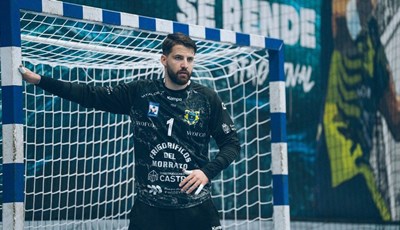
Hrvatski vratar briljira u Španjolskoj, samo je sjajni Islanđanin ispred njega po broju obrana
19 sati•Rukomet
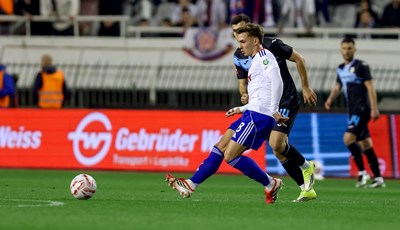
Sigur: 'Hvala igračima Rijeke oko mene koji su vjerovali da sam nevin'
15 sati•Nogomet
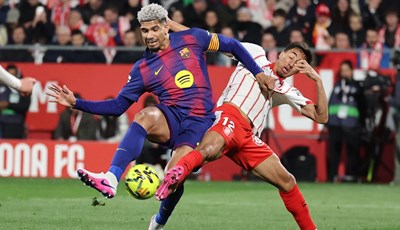
Dvoboj iz donjeg doma ljestvice zatvara 25. kolo La Lige, pobjeda donosi odmicanje od opasne zone
17 sati•Nogomet
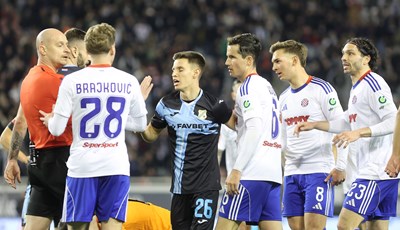
Odgovor na Sigurovu objavu: 'Igrači Rijeke ne smatraju da si nevin'
12 sati•Nogomet
Vukovar 1991 doveo pojačanje za žestoku borbu za ostanak u ligi, stigao bivši igrač Slaven Belupa
9 sati•Nogomet
Dvoboj protiv Udinesea pokazat će je li Bologna izašla iz krize ili je nakratko prekinula crni niz
19 sati•Nogomet
Pokušaj spašavanja sezone: Željko Sopić nije više trener Osijeka
8 sati•Nogomet

Brondby dugo čeka na pobjedu, slijedi mu dvoboj s konkurentom na ljestvici
17 sati•Nogomet