


NBA 2011/2012

Muflon je napisao/la:
http://www.youtube.com/watch?v=1d2us_7w-CM
po meni dva najtalentiranija bijela playa novijeg doba.enjoy

... eγώ θα φύγω ...


Metta je puko, lockout ga dotuko.
The Lakers star, formerly known as Ron Artest, posted a series of tweets Monday night challenging Charlotte Bobcats majority owner Michael Jordan to a game of one-on-one, saying if he beat the Chicago Bulls legend then the two sides would have to agree to end the lockout.
He then unloaded on NBA commissioner David Stern.
"The NBA logo should be a picture of david stern. Our bath robes should have his signature on it. The league is better off communist," he wrote.
The Lakers star, formerly known as Ron Artest, posted a series of tweets Monday night challenging Charlotte Bobcats majority owner Michael Jordan to a game of one-on-one, saying if he beat the Chicago Bulls legend then the two sides would have to agree to end the lockout.
He then unloaded on NBA commissioner David Stern.
"The NBA logo should be a picture of david stern. Our bath robes should have his signature on it. The league is better off communist," he wrote.
"All hail David. We serve David in the morning. Imagine lebron James making David breakfast in bed.
"Imagine Shaquille oneal tucking David stern in bed. "Goodnight mr stern" Imagine me the house keeper "get it yourself David" Lol."
World Peace's tweets had begun innocently enough, listing all the things he missed about playing, from seeing Jack Nicholson courtside to wearing tight shorts."I miss jack Nicholson Im not gay ,I'm straight but damnit , But damnit I want to hug jack!! I miss Denzel also," World Peace wrote.
"I miss the laker girls I miss the referee who runs like he is riding three horses.
"I miss shooting airballs and dribbling the ball off my leg and Kobe saying. "Ronny stop!"
"I miss my tight shorts. I miss Ron Artest. I hope Blake griff dunks on me and makes a kid coloring book with a pop out poster with the dunk.
"I want to play instead of cooking. I feel like a Atlanta house wife." 
"Smoke me a kipper, I'll be back for breakfast!" 🎸⚽🏀🎨


NBA
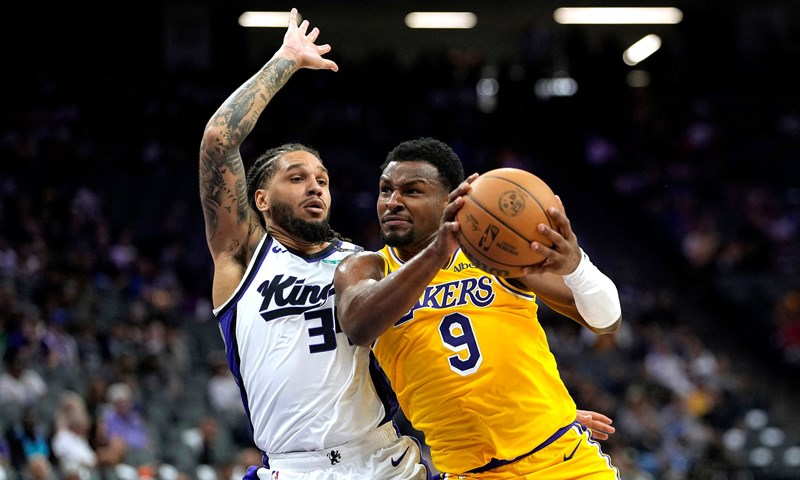
Luka Dončić obilježio NBA večer nevjerojatnim šutom, Lakersi do pobjede protiv Sacramenta
Ostale lige
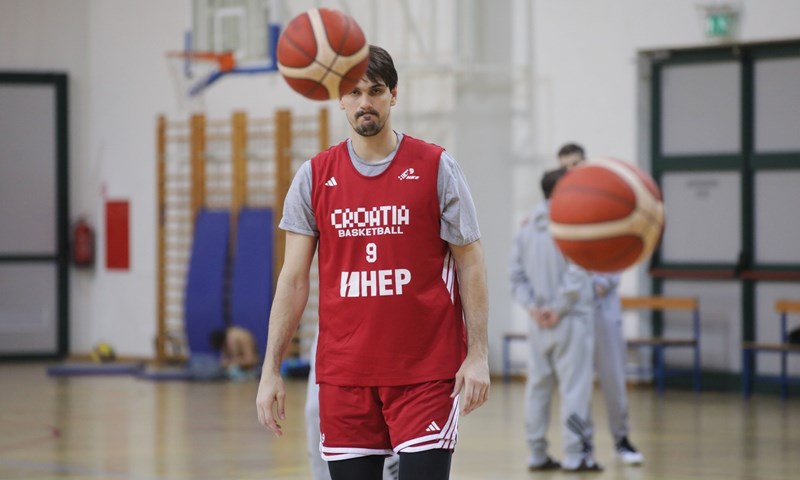
Efes i dalje bez poraza, raspoloženi Šarić predvodio momčad do novog slavlja
NBA
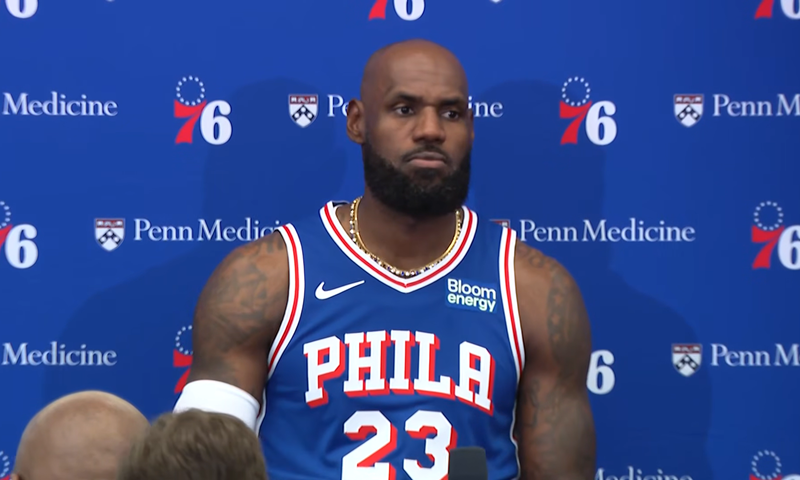
LeBron prvi put zaigrao za Philadelphiju: Već u debiju pokazao da mu ne treba velik broj šuteva
Košarkaški svijet
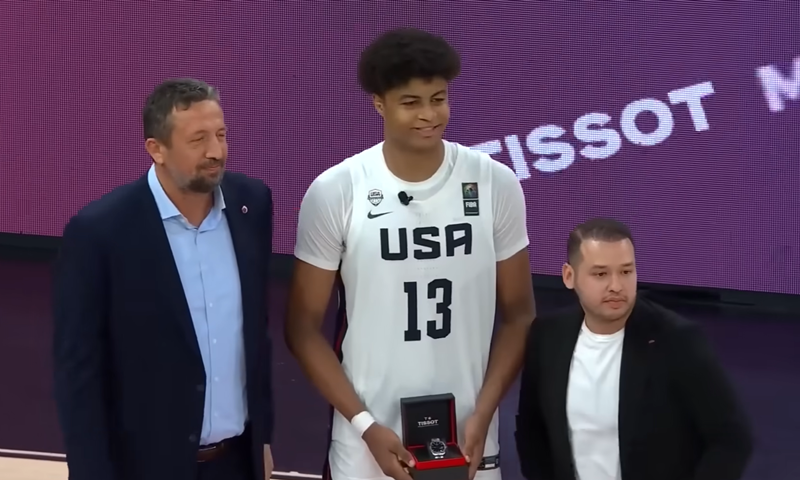
Duke pronašao novog dragulja? Ima samo 17 godina, 218 centimetara i već dominira na parketu
madmax17 je napisao/la:
Metta je puko, lockout ga dotuko.The Lakers star, formerly known as Ron Artest, posted a series of tweets Monday night challenging Charlotte Bobcats majority owner Michael Jordan to a game of one-on-one, saying if he beat the Chicago Bulls legend then the two sides would have to agree to end the lockout.
He then unloaded on NBA commissioner David Stern.
"The NBA logo should be a picture of david stern. Our bath robes should have his signature on it. The league is better off communist," he wrote.
"All hail David. We serve David in the morning. Imagine lebron James making David breakfast in bed.
"Imagine Shaquille oneal tucking David stern in bed. "Goodnight mr stern" Imagine me the house keeper "get it yourself David" Lol."
World Peace's tweets had begun innocently enough, listing all the things he missed about playing, from seeing Jack Nicholson courtside to wearing tight shorts."I miss jack Nicholson Im not gay ,I'm straight but damnit , But damnit I want to hug jack!! I miss Denzel also," World Peace wrote.
"I miss the laker girls I miss the referee who runs like he is riding three horses.
"I miss shooting airballs and dribbling the ball off my leg and Kobe saying. "Ronny stop!"
"I miss my tight shorts. I miss Ron Artest. I hope Blake griff dunks on me and makes a kid coloring book with a pop out poster with the dunk.
"I want to play instead of cooking. I feel like a Atlanta house wife."
MWP je kralj.
- Najnovije
- Najčitanije
Cibona pred domaćim navijačima traži prvu pobjedu u novoj sezoni ABA lige
20 sati•ABA liga
Efes i dalje bez poraza, raspoloženi Šarić predvodio momčad do novog slavlja
21 sat•Ostale lige
SuperSport Premijer liga: Cibona i Split prvi do tri pobjede, težak poraz Dinama u Rijeci
21 sat•SuperSport Premijer liga
Euroliga otvorila razgovore o ulasku u vlasništvo ABA lige
2 dana•ABA liga
Šarić imao večer za zaborav, Efes teško poražen kod Olympiakosa
2 dana•Euroliga
SuperSport Premijer liga: Pet momčadi želi nastaviti stopostotan niz, a četiri traže prvu pobjedu
3 dana•SuperSport Premijer liga
Duke pronašao novog dragulja? Ima samo 17 godina, 218 centimetara i već dominira na parketu
3 dana•Košarkaški svijet
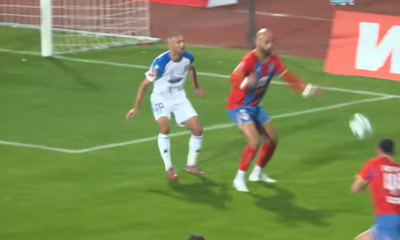
Pogledajte komičnu reakciju bivšeg igrača Rijeke zbog koje mnogi sumnjaju u regularnost PL BiH
2 sata•Nogomet

SuperSport Druga NL u izravnom prijenosu na Sportnetovom YouTube kanalu, danas posljednji susret kola
5 sati•Nogomet
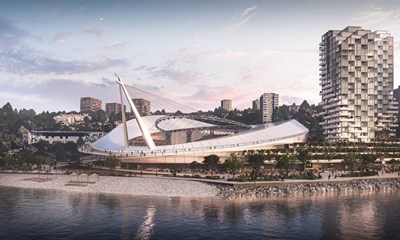
Stiže nova Kantrida: Otvorena prema moru, sačuvat će stijene i moći primiti gotovo 20 tisuća ljudi
3 dana•Nogomet
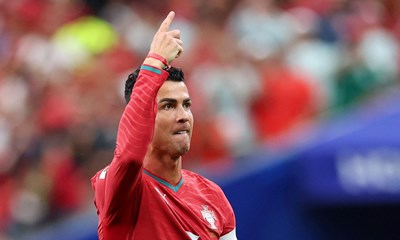
Ronaldo ne želi da mu karijeru određuje jedna brojka: 'Ja sam najveći u povijesti. Točka'
3 sata•Nogomet
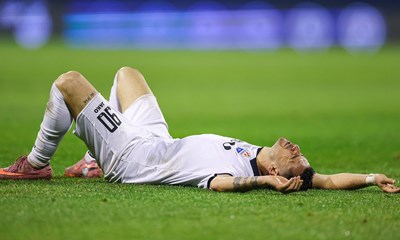
KRONOLOGIJA: Slaven Belupo - Rijeka 4:1 (SuperSport HNL, deveto kolo)
21 sat•Nogomet
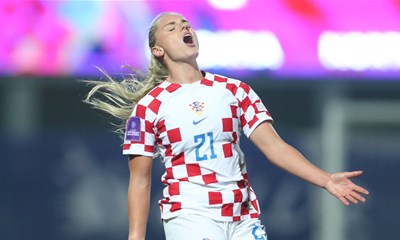
Hrvatska teško poražena od Islanda u prvoj utakmici doigravanja za Svjetsko prvenstvo
2 dana•Nogomet
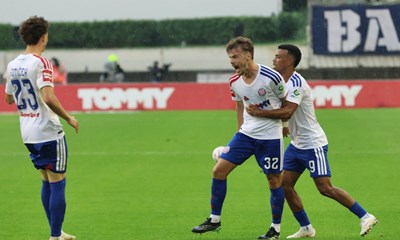
Hajdukova obrana među najboljima u Europi prema istraživanju CIES-a
4 sata•Nogomet
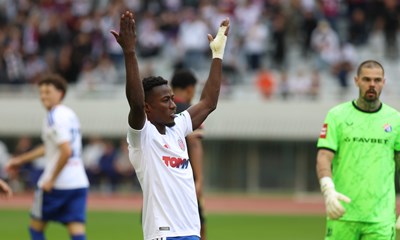
Sportnet momčad devetog kola SHNL-a: Jesenski Bamba, Ahmessi i Nestogolski predvode ofenzivni dio
2 sata•Originalno