


NBA 2011/2012





Hoće li nova sezona uopće imati smisla kad na utakmicama Netsa više neće biti Kim Kardashian? 
– Znate da je meni najdraži Branko Ivanković, ali najbolji trener za Dinamo je Kruno. Ta energija, zanos, studioznost, priprema, praćenje nogometne evolucije... On je najbolje rješenje. -
NBA
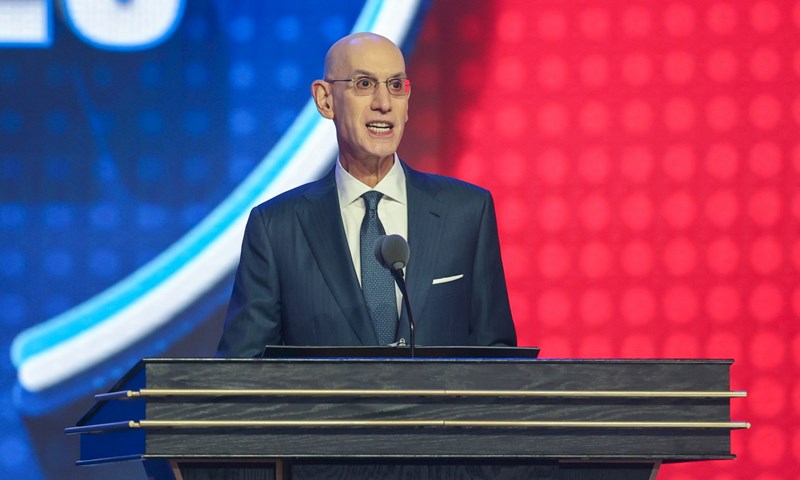
NBA i FIBA oglasili se nakon odbijenice Eurolige: 'Ostajemo predani pokretanju nove lige'
SuperSport Premijer liga
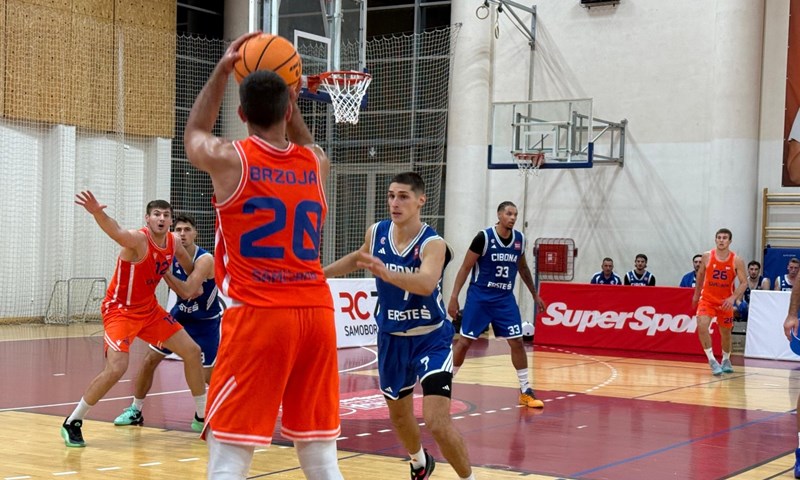
SuperSport Premijer liga: Cibona i Split prvi do tri pobjede, težak poraz Dinama u Rijeci
Ostale lige
Efes i dalje bez poraza, raspoloženi Šarić predvodio momčad do novog slavlja
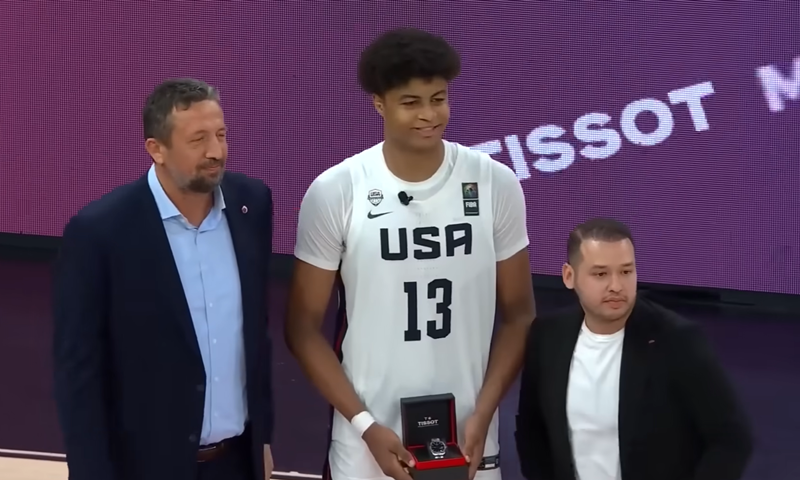
Košarkaški svijet
Duke pronašao novog dragulja? Ima samo 17 godina, 218 centimetara i već dominira na parketu
http://blogs.nfl.com/2011/11/01/nbas-durant-proves-to-be-ultimate-flag-ringer/?module=HP11_headline_stack
imat će durant šta radit ak lockout ne završi skoro
Jimmer Fredette Vs. Kemba Walker, prvi put nakon koledža
Offtopic, al izaša je premijerni trailer za gta V

- Najnovije
- Najčitanije
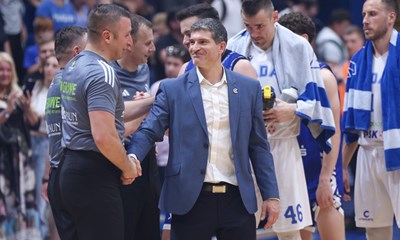
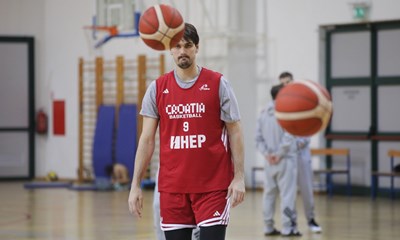
Efes i dalje bez poraza, raspoloženi Šarić predvodio momčad do novog slavlja
9 sati•Ostale lige
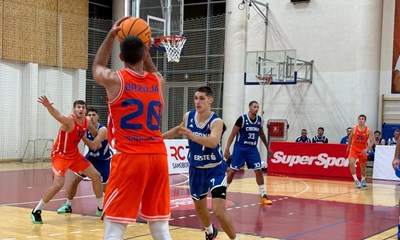
SuperSport Premijer liga: Cibona i Split prvi do tri pobjede, težak poraz Dinama u Rijeci
9 sati•SuperSport Premijer liga
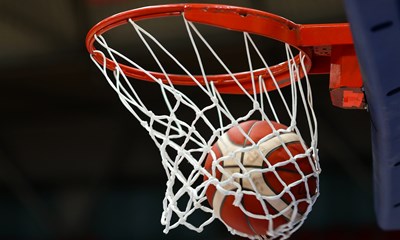
Euroliga otvorila razgovore o ulasku u vlasništvo ABA lige
1 dan•ABA liga
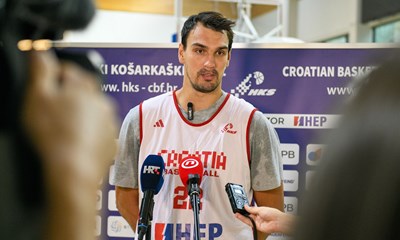
Šarić imao večer za zaborav, Efes teško poražen kod Olympiakosa
1 dan•Euroliga
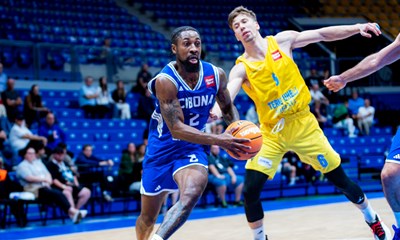
SuperSport Premijer liga: Pet momčadi želi nastaviti stopostotan niz, a četiri traže prvu pobjedu
2 dana•SuperSport Premijer liga
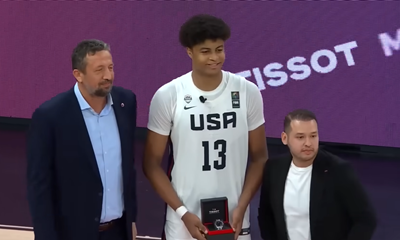
Duke pronašao novog dragulja? Ima samo 17 godina, 218 centimetara i već dominira na parketu
2 dana•Košarkaški svijet
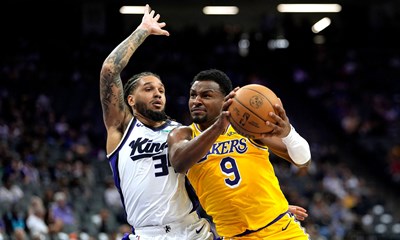
Luka Dončić obilježio NBA večer nevjerojatnim šutom, Lakersi do pobjede protiv Sacramenta
2 dana•NBA
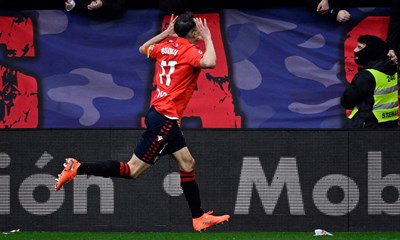
Ante Budimir među elitom, iza sebe ostavio Haalanda, na vrhu je Raphinha
14 sati•Nogomet
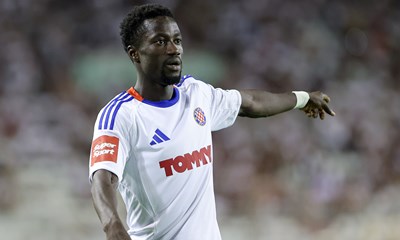
Bamba protiv Dinama ostvario učinak kakav u SHNL-u nije viđen više od pet godina
14 sati•Nogomet
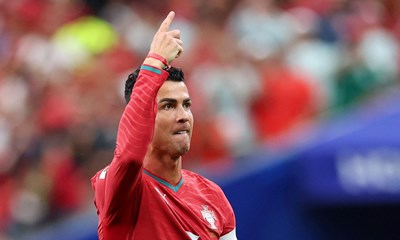
Carragher usporedio Ronalda s Modrićem: 'Neće dobiti ni razinu poštovanja koju Luka ima u reprezentaciji'
18 sati•Nogomet
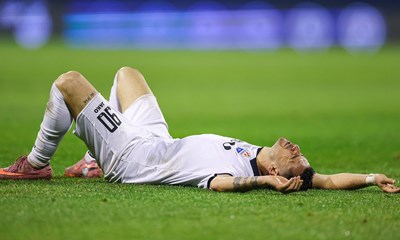
KRONOLOGIJA: Slaven Belupo - Rijeka 4:1 (SuperSport HNL, deveto kolo)
9 sati•Nogomet
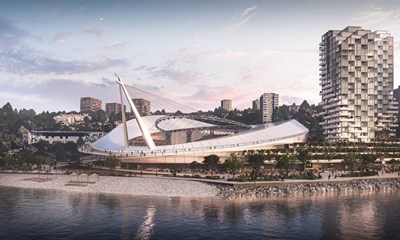
Stiže nova Kantrida: Otvorena prema moru, sačuvat će stijene i moći primiti gotovo 20 tisuća ljudi
3 dana•Nogomet
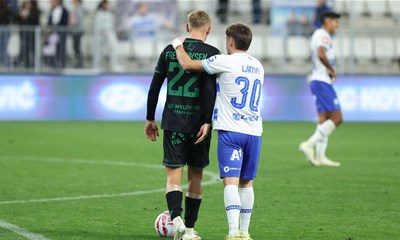
Krasna utakmica na Opus areni kao pokazatelj da obje momčadi idu u pravom smjeru
16 sati•Originalno
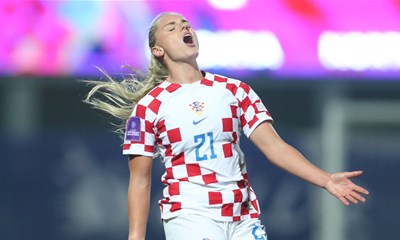
Hrvatska teško poražena od Islanda u prvoj utakmici doigravanja za Svjetsko prvenstvo
2 dana•Nogomet
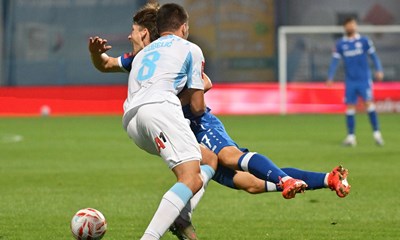
Slaven Belupo - Rijeka 4:1: Gosti poveli pa u drugom poluvremenu potopljeni
6 sati•Nogomet